

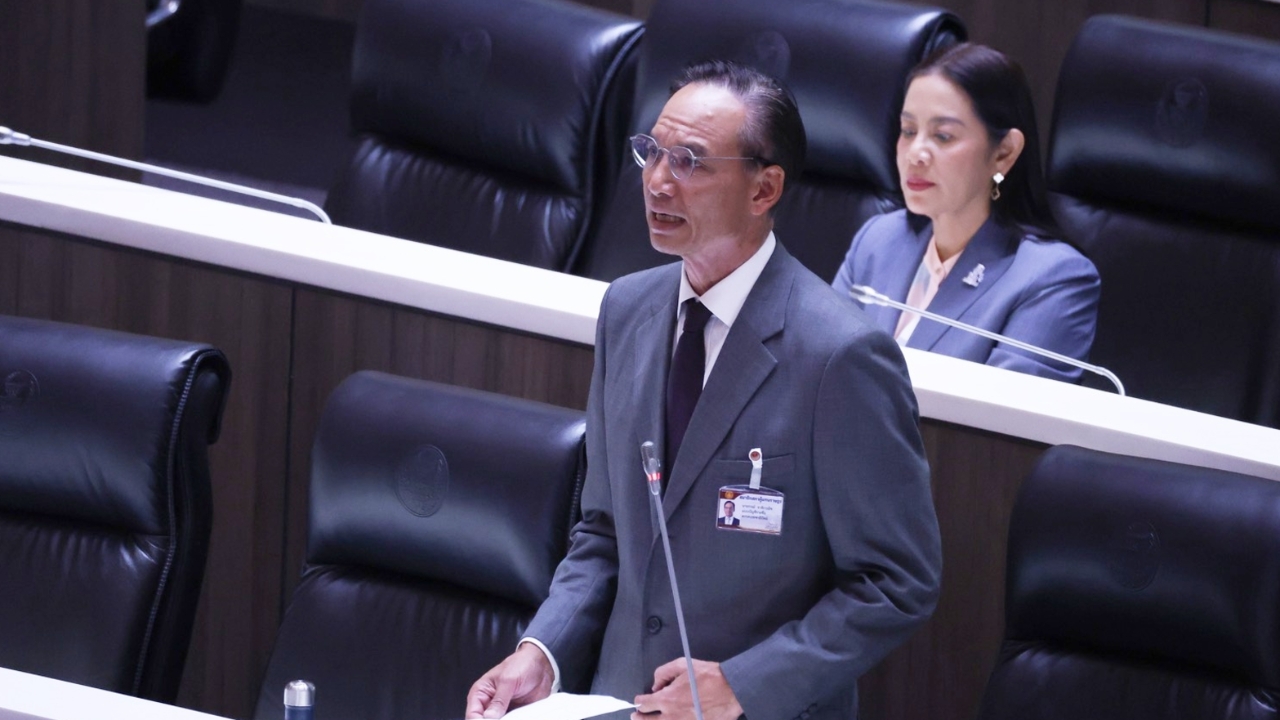
Korn urges the government to expedite reforming the cooperative system, citing the New Zealand Fonterra model and the establishment of a national dairy company. He proposes restructuring Thai farmers who cultivate Thung Kula Rong Hai jasmine rice by setting up a "National Jasmine Rice Company" as a pilot project to solve the chronic poverty of Thai farmers.
On 8 Sep 2026 GMT+7, Mr. Korn Chatikavanich, a party-list MP from the Democrat Party, stated during the Ministry of Agriculture budget debate that the budget allocation remains in the old format and has even been reduced. He emphasized that agriculture is the key to improving the quality of life for Thai people. Thailand's agricultural strengths include fertile land, skilled farmers, and internationally recognized quality products. Yet, Thai farmers continue to face persistent poverty because they cannot sell their products at fair prices, mainly due to most farmers being smallholders.
Especially for rice farmers in the Northeast, they lack bargaining power, cannot access capital, and face insufficient budget for research and development (R&D). They cannot build brands or reach global markets. To address these structural issues, he proposed the government urgently reform the cooperative system, learning from New Zealand's success in merging hundreds of small dairy cooperatives into a single entity, Fonterra. This model transformed smallholders into company shareholders who benefit in two ways: 1. The right to sell raw milk at fair prices; 2. Dividends from company profits. The company operates as a professional management entity handling product R&D, branding, cost reduction, and global trade negotiations with major organizations like McDonald's—tasks smallholders cannot do alone. Applying this model to Thailand’s Thung Kula Rong Hai jasmine rice, a world-class geographically indicated (GI) product produced in only five northeastern provinces, would involve uniting farmers from these provinces as shareholders in a National Jasmine Rice Company. The company would monopolize management, commercial rice packaging, international branding, R&D, and global export marketing. This would cut out middlemen, increase bargaining power, and return export profits directly to the farmer-shareholders. He believes this can permanently solve Thai farmers' poverty. He urged for budget allocation and clear strategic planning to implement this initiative.