

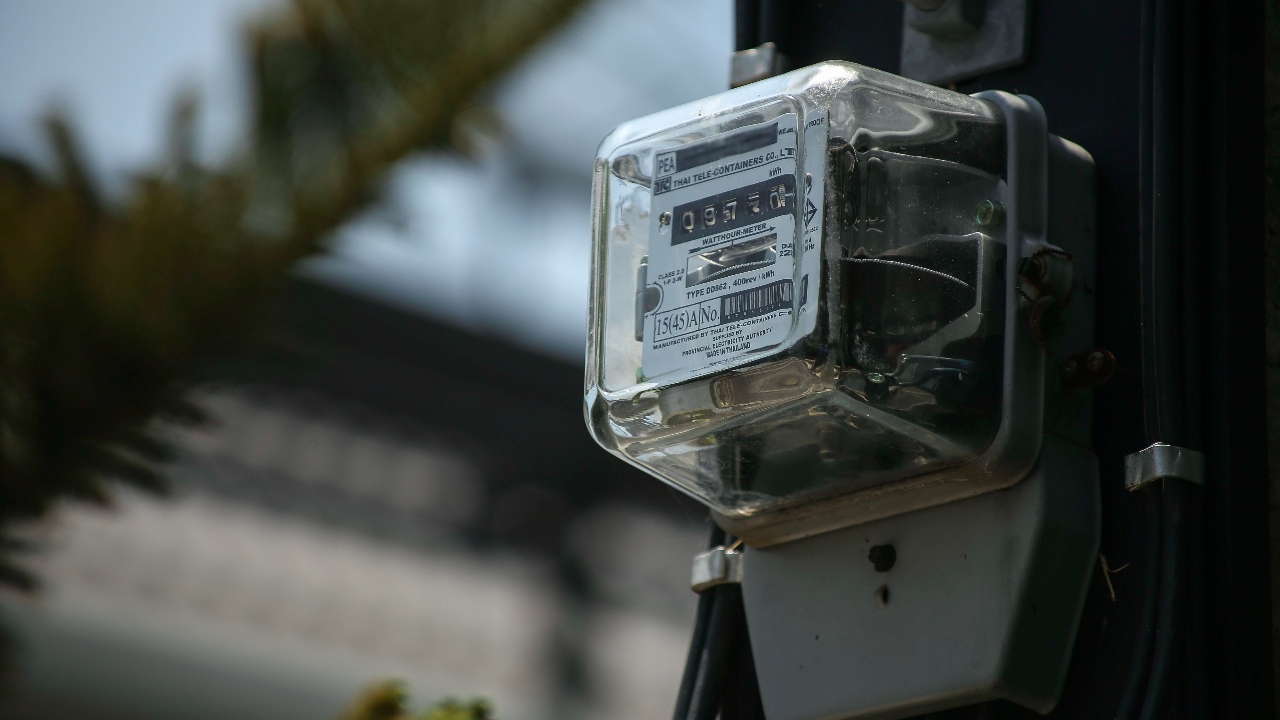
The government stresses that homes using temporary meters for residence should check their September bills. Those who have paid electricity bills continuously for at least six months will have their rates adjusted so the first 200 units cost no more than 3 baht each.
On 9 September 2026, Ms. Lalida Pertwiwatthana, Deputy Spokesperson of the Prime Minister's Office, revealed that the government under Prime Minister Anutin Charnvirakul is moving forward to reduce electricity expenses and promote fairness for residents living in homes still using temporary electricity meters. She urged the public to check their electricity bills starting from the September 2026 billing cycle. If the electricity use is genuinely for residence and the customer has a payment history of at least six months, they will qualify to have their rates adjusted to the residential electricity rate category instead of the previous temporary meter rates.
This measure follows guidelines from the Energy Regulatory Commission (ERC) to assist residents living in homes without permanent house registration but who use electricity continuously for residential purposes. Previously, this group was charged a temporary electricity rate of 6.8024 baht per unit. Starting from the September 2026 billing cycle, they will be adjusted to the residential electricity rate category.
Regarding residential electricity rates, the first 200 units will be charged at no more than 3 baht per unit. Usage beyond 200 units will be billed according to the tiered rates applicable to residential users. This rate refers specifically to the electricity energy charge portion; the total amount on the bill includes other components per the electricity tariff structure. Therefore, the 3 baht per unit should not be understood as the net rate for all units or as the average for the entire bill.
Ms. Lalida stated that beneficiaries of this measure must be users of temporary electricity meters for actual residence with a payment history of at least six months. This does not cover other types of temporary electricity use, such as electricity for construction sites. The ERC expects nearly 40,000 households to benefit from this measure.
“Residents using temporary electricity meters for residence who have paid their bills for at least six months should check their electricity bills from the September billing cycle to see if the user type or rate has been adjusted to the residential category. If the bill still shows charges under the temporary meter rate, they should keep the bill as evidence and contact the relevant agencies for verification and correction according to the criteria,” Ms. Lalida said.
The public can inquire or report issues through the official LINE account “ERC Problem Reporting” @ERCvoice, the Energy Regulatory Commission’s Facebook page, or the information service center at phone numbers 0 2207 3599 or 1204 during official working hours.
The Deputy Spokesperson of the Prime Minister's Office stated that this measure aims to reduce electricity cost disparities among residents using electricity for similar residential purposes and to help households that had to pay temporary rates for extended periods receive rates better aligned with their actual electricity usage.