

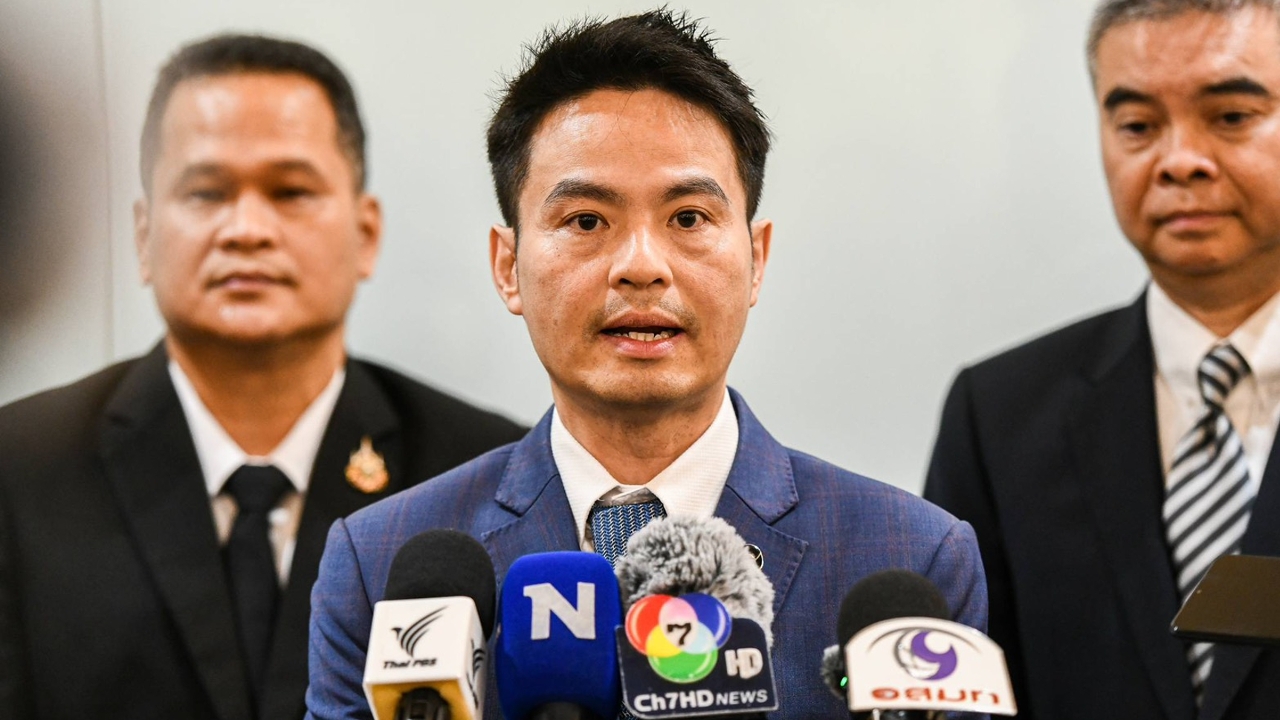
Phradorn chaired a meeting to address bribery by streamlining approval and licensing procedures, using online systems to reduce risks. Pilots include Phuket hotels, four public service agencies, and the Eastern Economic Corridor (EEC).
At 11:45 a.m. on 14 Sep 2026 GMT+7 at the Government House, Mr. Phradorn Prisnanantakul, Minister attached to the Prime Minister’s Office, revealed after chairing the first 2026 meeting of the Subcommittee on Anti-Bribery and Public Sector Corruption Risk Management that the government’s approach is to make anti-corruption efforts practical and tangible. Citizens and businesses should experience easier, faster, more transparent public services with clear regulations—especially in approval and licensing processes, which private sector stakeholders have consistently flagged as problematic. The meeting resolved to proceed with three key measures directly impacting citizens and businesses:
1. Unlocking the hotel licensing process in Phuket Province by accelerating the development of the Ministry of Interior’s DOPA iService system into a fully digital platform. This will allow citizens and entrepreneurs to submit applications, track progress, and receive licenses online independently. Clear timelines for consideration will be set to reduce steps and official discretion, while also helping hotel operators not yet in the system to comply with legal requirements more conveniently.
2. Incorporating private sector proposals to improve workflows in four pilot agencies. The Office of the Public Sector Anti-Corruption Commission (PACC) and the Office of the Public Sector Development Commission (OPDC) were assigned to use recommendations from the Thai private sector's anti-corruption coalition (Thai CAC) to reform processes at four high-contact agencies: the Department of Business Development, Department of Intellectual Property, Department of Internal Trade, and Department of Land Transport. The focus is on reducing steps, increasing convenience, and limiting discretionary approval powers, while developing systematic corruption risk monitoring involving PACC and the private sector.
3. Piloting a government notification system via the 'Thang Rat' application in the Eastern Economic Corridor (EEC). The initiative starts with five key agencies: provincial land offices, provincial social security offices, regional waterworks authorities, provincial police, and local administrative organizations. Preparations are underway for 2,997 local government units to join a unified digital service platform. Additionally, 15 land office branches in the EEC will be upgraded to the Government Easy Contact Center (GECC) standards, using the Sriracha model as a prototype.
Mr. Phradorn stated that this subcommittee has four main responsibilities: systematically reviewing policy proposals to address bribery and misconduct by public officials; setting risk prevention measures in key government processes such as the 'One Department, One Transparent, Gray-Free' project; promoting digital public services to reduce discretion, especially in the EEC; and integrating work among the PACC, National Anti-Corruption Commission (NACC), government agencies, and the private sector to enhance national corruption prevention. The government views anti-corruption not only at the endpoint after wrongdoing occurs but aims to close loopholes from the start. Fewer bureaucratic steps, clearer rules, more digital use, and active private sector feedback will reduce opportunities for illicit gains. The goal is to enable citizens to access government services easily without needing connections and allow entrepreneurs to conduct business under transparent and fair rules.
The Minister attached to the Prime Minister’s Office added that all these efforts are part of the government’s policy to tackle systemic corruption through four approaches: reducing complex approval and licensing steps; using private sector data and suggestions for targeted solutions; leveraging technology to minimize face-to-face interactions and officials' discretion; and fostering good governance in government agencies and local administrative organizations. These measures aim to increase transparency, improve the Corruption Perceptions Index (CPI), and build long-term confidence in the government and Thailand.