

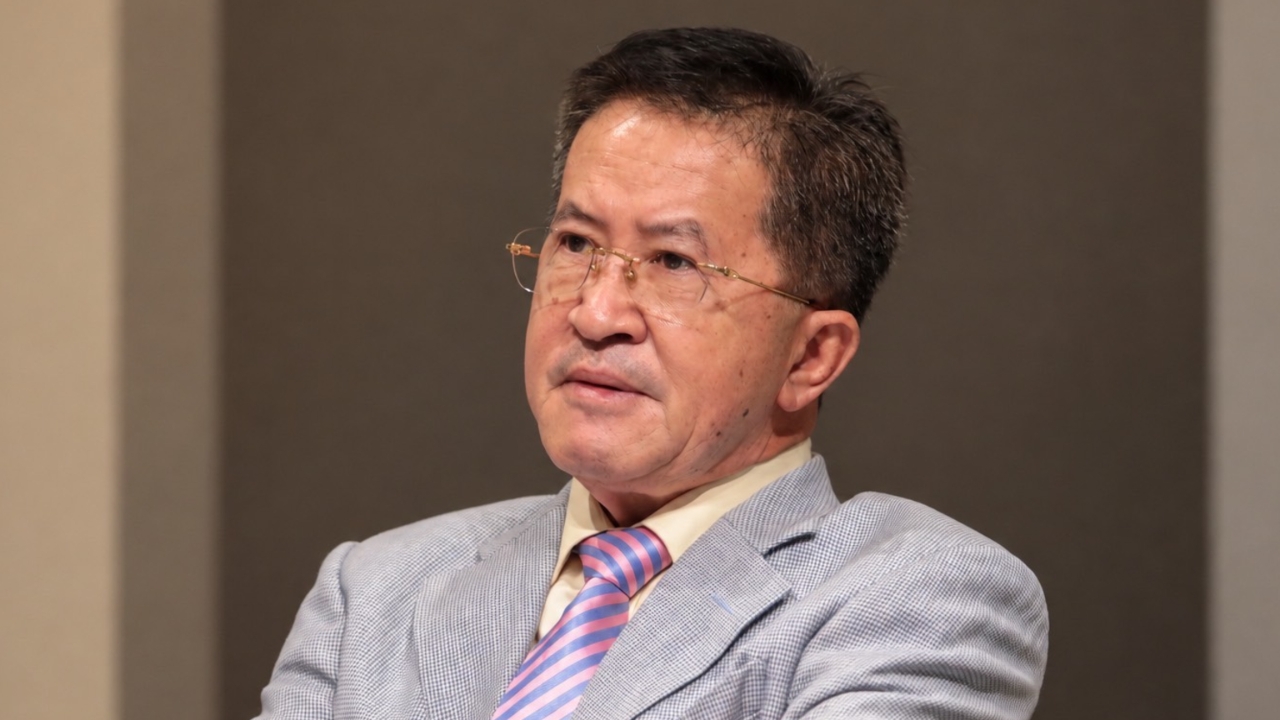
Wittaya warned the Election Commission (EC) to be cautious as its resolution on the SENA selection case could rebound against itself. He believes some aggrieved parties will definitely file a complaint under Section 157. He also pointed out that since the case has reached the Supreme Court's Criminal Division for Political Office Holders, there is a risk that those involved could be ordered to suspend their duties.
On 14 September 2026, Mr. Wittaya Kaewparadai, Deputy Leader of the United Thai Nation Party, commented on the EC's decision regarding the investigation into the selection of the Senate members (SENA). He said that since the resolution binds the commissioners who voted, if the evidence and testimonies cover all involved parties, the safest legal option for the EC and those involved in reviewing the case is to allow the judicial process to determine the facts for everyone named in the investigation. However, because only some individuals were prosecuted, questions arise about the criteria the EC used to distinguish between those who face charges and those who do not.
"The only way out for the EC and related members of the two subcommittees is that if the evidence covers everyone involved, all should be referred to the judicial process. If only some are prosecuted, the matter may remain unresolved because the resolution issued today binds all those who participated in the vote," Wittaya said.
Wittaya added that the EC may face complaints from affected parties requesting an investigation into misconduct under Section 157 of the Criminal Code. If the National Anti-Corruption Commission (NACC) investigates and finds grounds for charges, this could lead to prosecution at the Supreme Court's Criminal Division for Political Office Holders. Once the court accepts the case, the accused must suspend their duties unless the court orders otherwise. This issue might also be raised with the Ombudsman to prompt further review by the Constitutional Court.
Wittaya also said that if any EC commissioner is prosecuted and this affects their ability to perform duties, it could impact the EC’s work during a politically sensitive period. Since the EC is the agency directly responsible for organizing and overseeing elections, all parties must consider the potential consequences on the political process and elections overall.
Additionally, Wittaya addressed the local examination cheating scandal, noting that although it is not primarily under the EC's jurisdiction, suspicions of a network linked to the SENA selection case have arisen. He believes the EC, as an independent body, must establish clear and transparent standards in handling cases to avoid accusations of selective enforcement or inconsistent standards across different cases.
"This issue is not just about whether to prosecute certain individuals or not; the EC must clarify what evidence and standards apply to each person. If only some are prosecuted, aggrieved parties have the right to file complaints or take legal action. Ultimately, the EC itself must answer questions regarding its discretion," Wittaya concluded.