

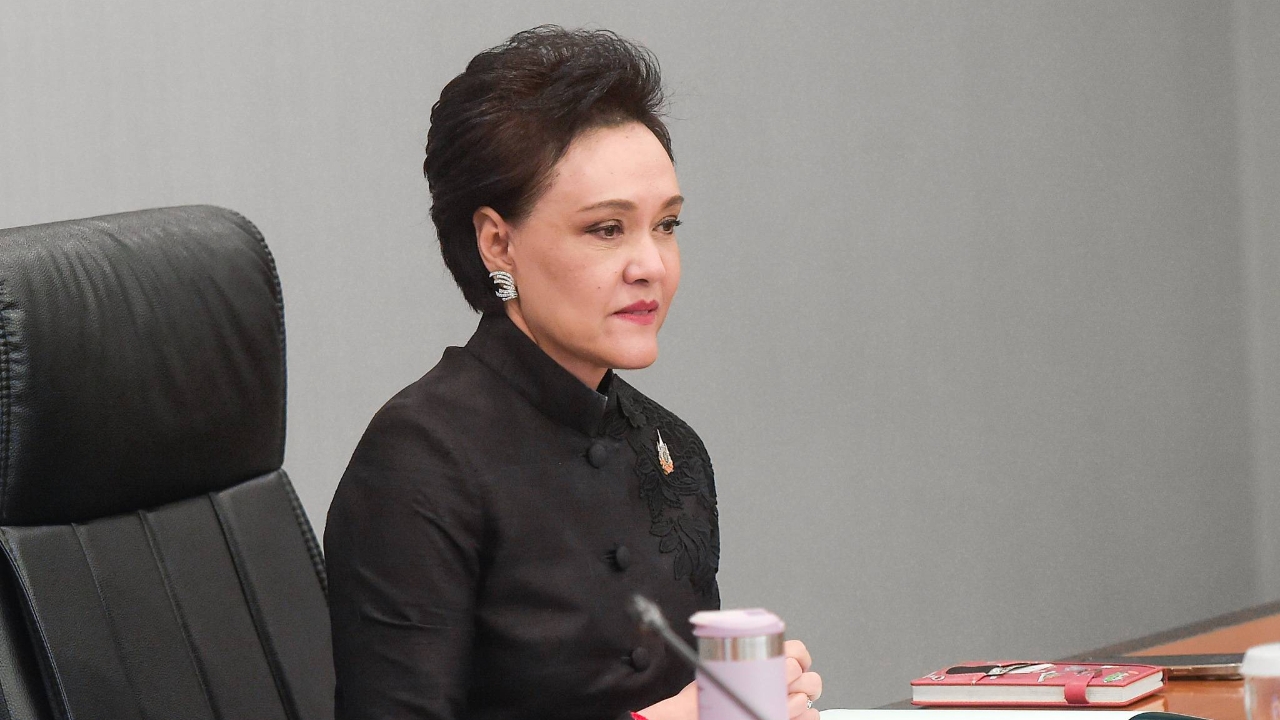
Suphajee explains the detailed transfer of nine level-10 civil servants in the Ministry of Commerce, affirming that the reorganization is based on expertise without any harassment, stressing the need to place the right people to face the economic battle.
On 15 September 2026, following the Cabinet's resolution on 8 September 2026 approving the transfer of nine senior (level-10) officials in the Ministry of Commerce, there was heavy criticism alleging the appointments were unfair and involved internal harassment within the ministry.
Recently, Suphajee Suthumpun, Deputy Prime Minister and Minister of Commerce, posted on her personal Facebook page to clarify the background and reasons for this administrative reshuffle in detail. She confirmed that the leadership changes were not decided by any single individual but were the result of comprehensive discussions between the current and incoming permanent secretaries, based on the principle of placing the right person in the right job to address the global economic crisis and domestic structural problems.
Suphajee noted the rotation of key positions began with the post of Thailand's Permanent Representative to the WTO and WIPO in Geneva. Pimchanok Pitfield completed the maximum six-year term as regulated. The ministry supported her application for the WIPO Deputy Director General position to continue her work as she wished due to family reasons. However, when the selection results were unfavorable and Pimchanok consistently affirmed her intent to resign after her term to care for her family, the ministry planned a transition by appointing Kanittha Kangsawanich, an expert in international trade negotiations, to take over.
For the Director-General of the Department of Intellectual Property, the ministry invited the current director, Oramon Supthaveetham, to take a position in Geneva due to her expertise, but upon her refusal, Jittima Sritaporn, an experienced insider, was appointed to lead the department's transformation toward creating economic value.
Regarding other department directors and senior executives, Suphajee explained the focus was on appointing leaders with direct experience to immediately take on responsibilities without needing time to learn new tasks. Examples include Wathanasak Suea-iam returning as Director-General of the Department of Internal Trade to handle pricing and cost of living issues; Warawut Somwangprasert appointed Director-General of the Department of International Trade Promotion; Kittiwat Patchimanant appointed Director-General of the Department of Business Development to aggressively combat nominee businesses; and the appointments of Witthayakorn Maneenate and Manasnit Jirawat as Deputy Permanent Secretaries overseeing foreign affairs and internal management respectively.
Additionally, four ministry inspectors were promoted to take on important responsibilities. Suphajee emphasized that the inspector position, a level-10 rank, is valuable and not a demotion. She concluded that this reshuffle was done solely for the national interest to overcome the immediate economic challenges.