

The government is advancing the "National Disaster Insurance" system to protect about 30 million households against three hazards: flooding, storms, and earthquakes, starting 1 October 2026.
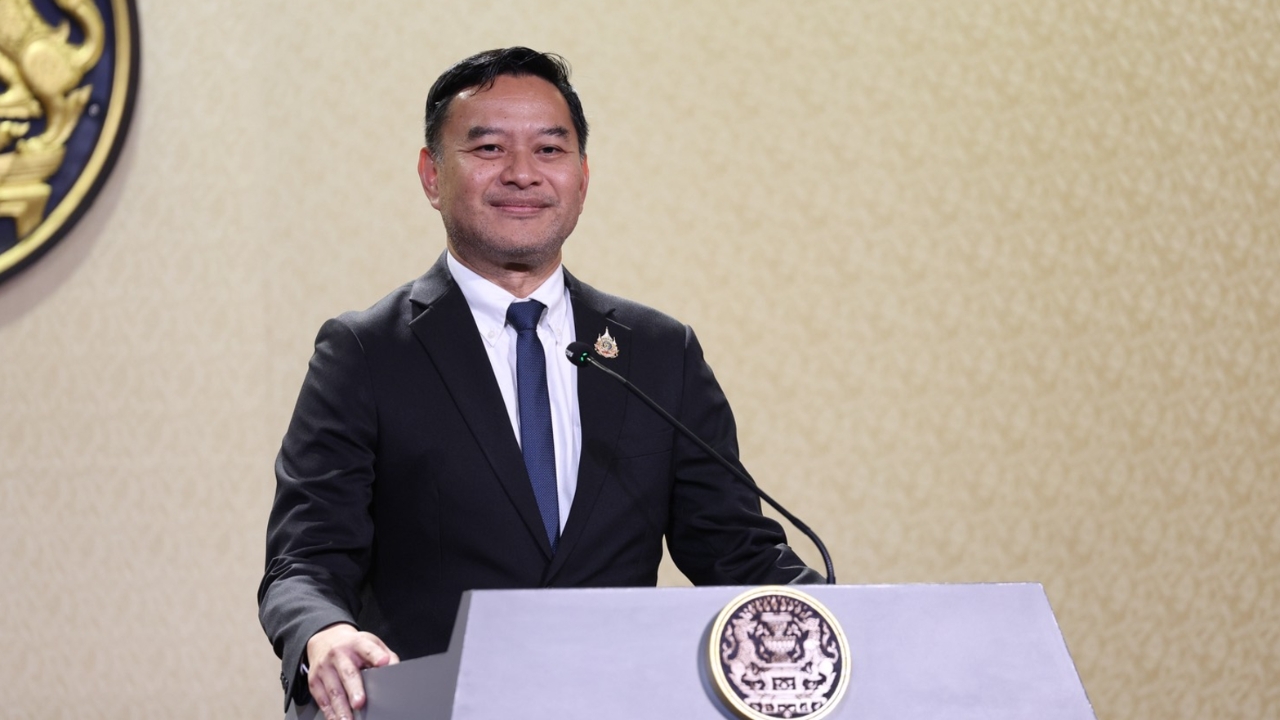
15 September 2026 GMT+7 Mr. Ekaphop Pianpiset, spokesperson for the Prime Minister's Office, revealed that the Cabinet has approved and endorsed the establishment of the "National Disaster Insurance System" as proposed by the Ministry of Interior through the Department of Disaster Prevention and Mitigation (DDPM), aiming to shift disaster management from post-event relief to proactive risk transfer through insurance.
Mr. Ekaphop stated that implementing the National Disaster Insurance System changes the government's approach from reactive post-disaster responses to "proactive risk management." Given the increasing severity and frequency of disasters and the unpredictability of affected areas, insurance becomes a tool allowing the government to assess, plan, and predefine which risks it will bear and which can be transferred. This reduces budget uncertainty and enables faster compensation payments to citizens, especially as climate change leads to more frequent and severe disasters in Thailand and globally.
Regarding residential coverage, it will include about 30 million households based on registration data from the Department of Provincial Administration as of 10 September 2026. It covers damages from floods, storms, and earthquakes, with maximum coverage of 100,000 baht per household per event, subject to policy terms, detailed as follows:
The Cabinet has assigned the Budget Bureau to allocate funds within the set budget framework and objectives. Meanwhile, the Office of Insurance Commission (OIC) together with the Thai General Insurance Association will secure reliable, stable, and fair insurers capable of promptly paying claims as required by law. The Department of Disaster Prevention and Mitigation will manage the budget and make payments to insurers according to established criteria.
Mr. Ekaphop added that the government is transitioning disaster response from waiting for post-event budget allocations to preparing and transferring risk in advance through the "National Disaster Insurance System" to ensure citizens are protected in life and property and can access compensation quickly after disasters. Simultaneously, the government can assess and manage risks, define its financial responsibilities, and plan systematic budget spending. This reduces budget uncertainties from post-disaster relief and enhances the country’s public disaster management efficiency amid increasing disaster severity and frequency.