

The government is accelerating the establishment of four central systems to block fraudster funds by linking data from all agencies under the principle of “single reporting – timely fund tracing – rapid freezing,” thereby increasing victims' chances of recovering their money.
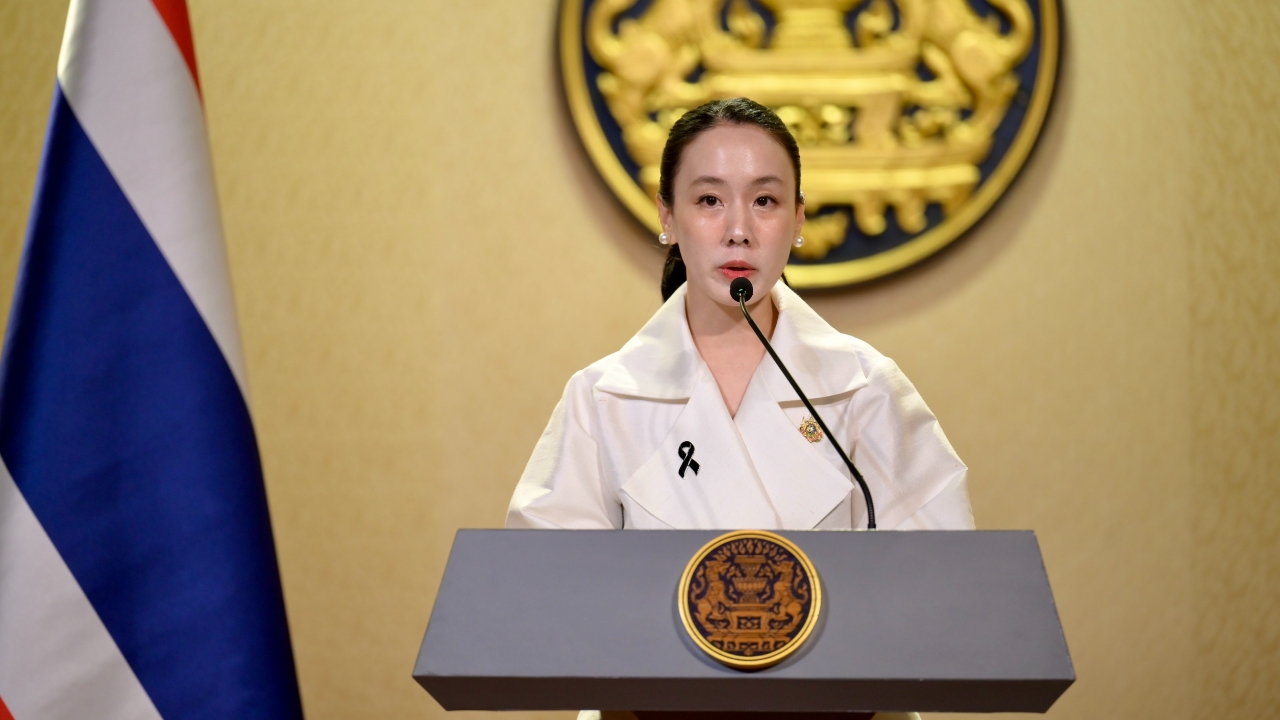
On 16 Sep 2026 GMT+7, Ms. Lalida Pertwiwatthana, Deputy Spokesperson for the Prime Minister's Office, revealed that the government is intensifying efforts to block financial flows from technology-related crimes. The methods of moving funds have become more complex and faster; previously funds mainly moved through bank accounts, but now they can be spread through multiple layered accounts, withdrawn as cash, converted into digital assets, gold, foreign currencies, or transferred abroad within just a few hours, making traditional coordination insufficient to keep up with the money trails.
Therefore, the Ministry of Finance, in collaboration with the Ministry of Digital Economy and Society and related agencies, is preparing a National Anti-Fraud Master Plan. This includes developing “four national central systems” to link risk data, incident reporting, fund tracking, and freezing processes, allowing agencies to work seamlessly together instead of handling data separately and coordinating in a fragmented manner.
Ms. Lalida stated that the four systems are designed to operate from "before an incident occurs through to fund recovery" and consist of:
1. “One Identity, One Risk Level” – connecting related risk data under legal provisions or consent, enabling financial institutions, telecoms, digital platforms, and law enforcement to view a unified risk profile and perform real-time checks.
2. “Data Analysis to Detect Fraud” – establishing an anonymized financial transaction data center to analyze crime patterns and networks, and developing risk models to keep up with new fraud methods.
3. “Single Report, Single Route” – integrating reports from the public, AOC 1441, financial institutions, and police into one system using a single reference number throughout the process, eliminating duplicate reporting and expediting freezing procedures.
4. “Keep Up and Freeze Quickly” – linking data to track funds in motion, verify amounts still freezable, issue freezing orders under legal authority, and support refund processes or unfreezing according to case outcomes.
“The challenge today is that fraudster funds move very rapidly. The government must ensure data flows faster than the money. Once the public reports an incident, the data must be connected immediately to trace the fund routes in real time and freeze assets as quickly as possible. Every minute saved increases the chances of preserving and recovering victims’ money,” Ms. Lalida explained.
At the same time, related agencies will raise standards for KYC, CDD, and EDD to intensify customer and risky transaction checks from the outset, aligning with international financial center standards.
The Subcommittee on Financial Data Integration to Enhance Suspicious Transaction Monitoring, chaired by Dr. Akniti Nitithanprapas, Deputy Prime Minister and Minister of Finance, has assigned the Permanent Secretary of the Ministry of Finance and related agencies to urgently design detailed frameworks for all four systems, including data structures, connectivity, responsible agencies, and data standards, to be completed within 30 days before submitting to the subcommittee for further consideration.