

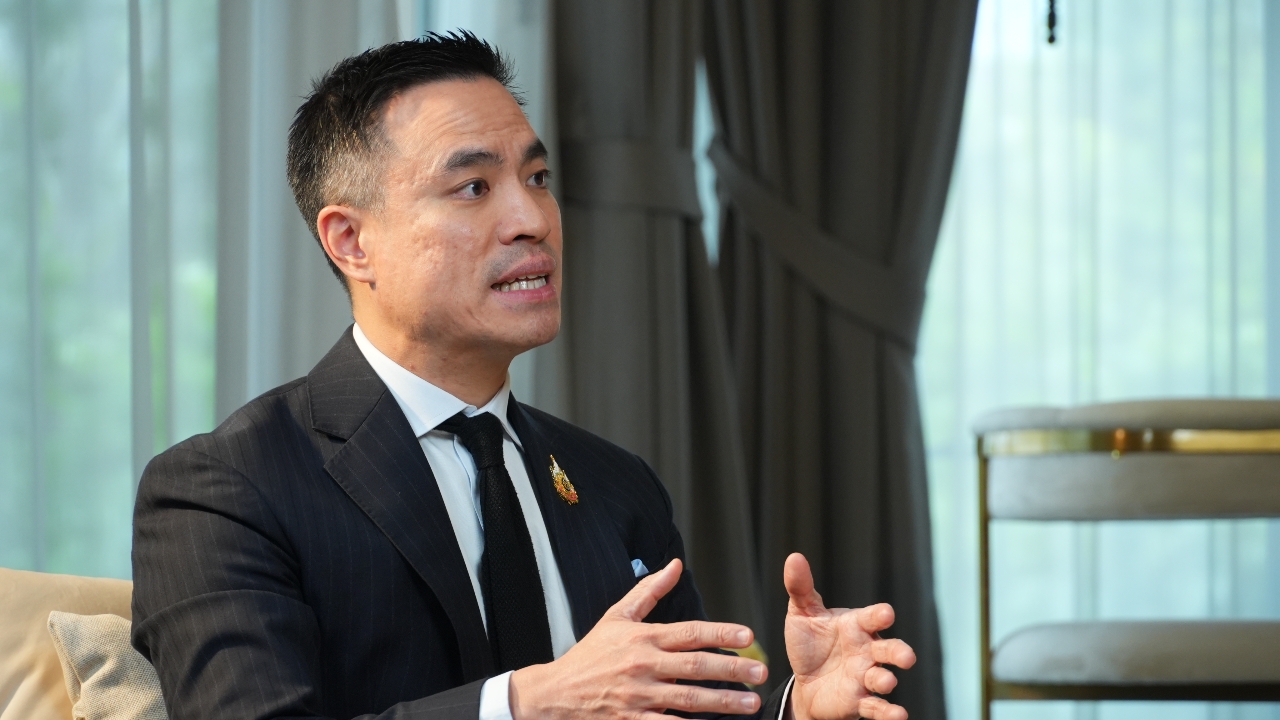
"Aeknat" accelerates efforts to reduce electricity bills by launching 10,000 megawatts of rooftop solar for citizens to produce for their own use and sell excess back. The first 200 units are set at 3 baht each, unlocking the clean electricity market and advancing a new PDP plan that is clean, stable, and fair.
At 09:05 on 19 Sep 2026 GMT+7, Mr. Aeknat Promphan, Minister of Energy, spoke on the program “Talk with the Cabinet Member Anutin,” revealing a major energy restructuring plan. He focused on the issue closest to the public—the electricity bill—and announced a shift allowing citizens not only to buy electricity but also to produce and sell electricity generated from their own rooftops.
“This time, we are going beyond just producing electricity for personal use. We are changing the perspective to let citizens own power plants. Thailand already has sunlight as a resource, while part of electricity costs depend on imported gas and oil, which are vulnerable to wars and global market prices.”
The Energy Minister added that the government has specifically allocated 10,000 megawatts of rooftop solar capacity for citizens. Unlike before, when solar energy was mainly associated with large solar farms and major operators, this plan sets a size limit of about 5 kilowatts per household to distribute opportunities nationwide and prevent power capacity concentration among a few homes or investors.

Addressing concerns about people being away during the day and who uses the solar power produced, the new approach allows the state to buy back excess electricity and apply it as a discount on the same billing cycle, ensuring no wasted power and immediately reducing the need for costly batteries.
Mr. Aeknat also provided an example calculation. A 5-kilowatt system might generate approximately 600–700 units per month, worth around 2,000 baht. For households with electricity bills of similar amounts, installing solar panels could significantly reduce monthly costs. Actual results depend on each home's production and electricity usage patterns.
Another major issue is the upfront cost. The Ministry of Energy is considering models that allow citizens not to bear the entire initial expense themselves, including partial subsidies and loans based on income from generated electricity and purchase agreements. After roughly 7–10 years of repayments, the solar panels become the household's full asset.

Simultaneously, this approach must be paired with streamlining permit processes, reducing the previous need to contact multiple agencies to coordination through the distribution utility alone, with an online form developed. For installations intended for self-use without selling back, the goal is to complete inspections within about a week; for those selling back, within one month.
“The government must ensure installation quality standards. Before connecting to the system, the electricity authority will inspect equipment, wiring, installation, and Smart Meters to prevent fire risks and issues from substandard devices. This also opens new job markets for electricians, installers, and solar system maintenance professionals nationwide.”
Regarding the cost components in electricity bills, Mr. Aeknat noted that the cost of public lighting has been included in the electricity tariff structure for 30–40 years, amounting to about 18 billion baht annually, though general consumers do not see this itemized in their bills. Public lighting costs should not have been included in household electricity bills for the past 30 years and should be separated. The government has removed this burden from the tariff structure and implemented a 3-baht rate for the first 200 units to directly reduce household expenses.

However, electricity costs and solar power are only part of the new Power Development Plan (PDP) soon to be released, which aims to achieve three goals: “the cleanest, the most stable, and the fairest.” The plan targets increasing the share of clean energy from the current just over 20% to nearly 50% within 10 years, and not less than 65% in the long term.
In terms of security, the new PDP will align gas production capacity with Thailand’s own production from the Gulf of Thailand, onshore areas, new sources, and neighboring countries. It also plans to reduce dependence on spot-market LNG, which has volatile prices during conflicts, favoring long-term contracts to lower and stabilize costs.
Mr. Aeknat added that the electricity plan must not be controlled solely by corporate interests. The government has reserved 10,000 megawatts for citizens and opened a clean electricity trading market allowing industries to buy directly from producers offering the best quality and price, removing previous market caps. The plan aims to be fair both to those producing electricity for sale and consumers, as consumers can choose the best quality and price directly.

At the end, the Energy Minister revealed that the new plan also leaves room for future technologies such as hydrogen, geothermal, solid oxide fuel cells, and small modular nuclear reactors (SMRs). The Ministry’s approach is to prepare standards, safety regulations, and support systems in advance, so when these technologies become ready, Thailand will not have to start from scratch.
“Every restructuring affects existing interests, but the government prioritizes the public good, especially the electricity bills that people pay every month. Allocating 10,000 megawatts to citizens will certainly have impacts, but we focus on the common benefit and will proceed continuously.”