

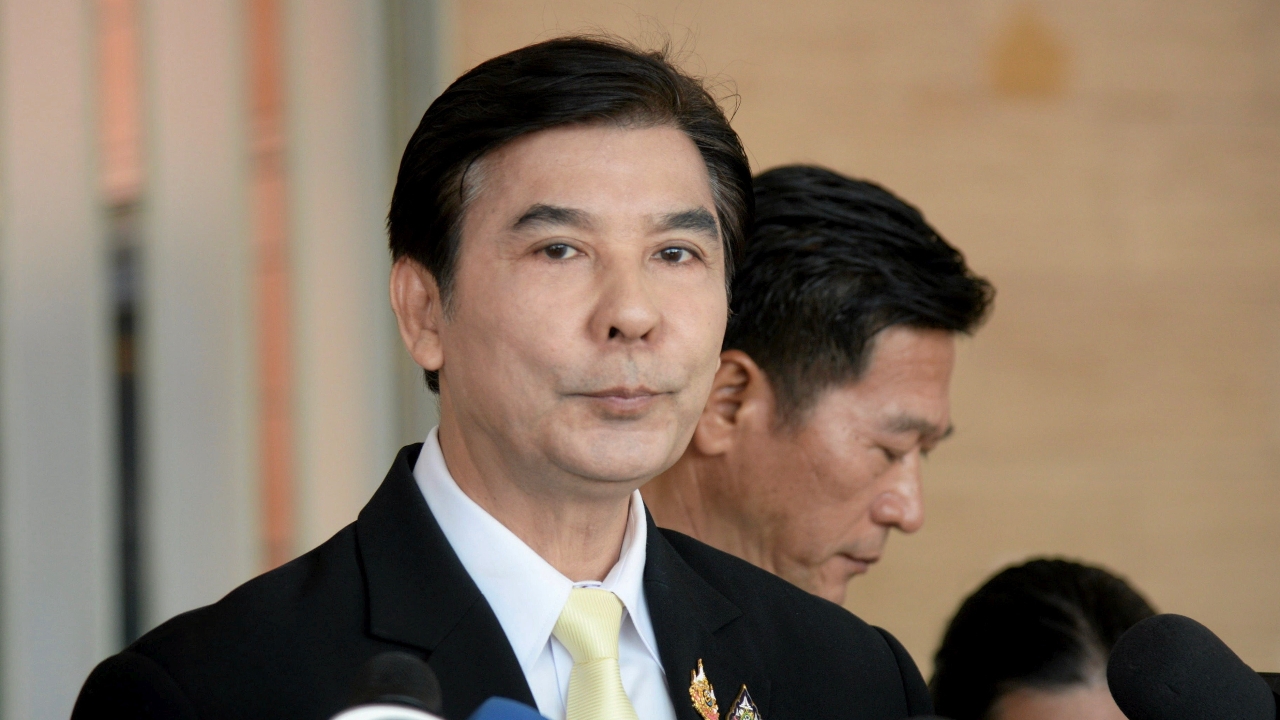
Prompong revealed that villagers complain as diesel prices surpass 40 baht per liter, driving up living costs. He urges the government to urgently address three issues, noting that political tensions in late September—including Senate appointments, political cases, and opposition's no-confidence motions—may worsen economic hardships.
On 19 September 2026, Mr. Prompong Nopparit, former spokesperson of the Pheu Thai Party, commented on the political situation in late September, highlighting several key issues to watch: developments following the Election Commission's resolutions, the appointment of Senate members, scrutiny from various parties, preparations for opposition no-confidence debates, and major political cases such as the election barcode case awaiting court ruling later in the month. He stressed that all matters should proceed based on facts, law, and oversight mechanisms without preemptive judgments.
Prompong warned that the government must not allow political currents to overshadow economic struggles. Citizens continue to face pressure from living costs; the latest diesel B7 price stands at 40.69 baht per liter. A survey of single-dish meals from April to August 2026 found that 523 out of 1,544 items—about one-third—raised prices by 5 to 10 baht per dish.
"Diesel topping 40 baht per liter isn't just a pump issue. Fuel is a key transport cost, so when it rises, it pushes up prices for goods and food. People aren't only asking how politics will end, but how much fuel costs, the price of a meal, whether jobs remain, if income covers expenses, and how much money will be left at the month's end."
Having governed for nearly six months, the public expects tangible economic results. Prompong proposed the government urgently focus on three areas.
1. Reduce energy costs by reviewing fuel price structures, taxes, the oil fund, and marketing fees, while clearly explaining which parts can ease the burden on citizens.
2. Lower citizens’ living costs further by monitoring prices of essentials, food, transport, and electricity; investigating cost structures when unusual price hikes occur; and preventing businesses from exploiting the situation to the public’s detriment. Relevant government agencies must intervene to curb opportunistic price increases causing hardship.
3. Boost incomes for small earners, reduce costs, and improve access to financing for SMEs and small traders alongside job creation. Measures should have clear targets and timelines accessible for public scrutiny.
Although the government extended the "Thai Help Thai Plus" program by two months until November, this will only provide temporary relief. People want to see when prices of goods and energy will fall, and whether there are ways to increase disposable income. If the government lowers living costs and improves incomes, it will build confidence through tangible results. If economic hardship accumulates alongside political pressure, the government may face multiple simultaneous challenges.
"The government may not prevent political conflicts, but it must ease economic burdens. People judge the government not by political victories but by whether prices and energy costs decrease, incomes rise, and money remains in their pockets. The government must manage political tensions carefully, preventing escalation, while urgently resolving economic issues. Politics has solutions within rules, but economic hardships cannot wait and require immediate action."