

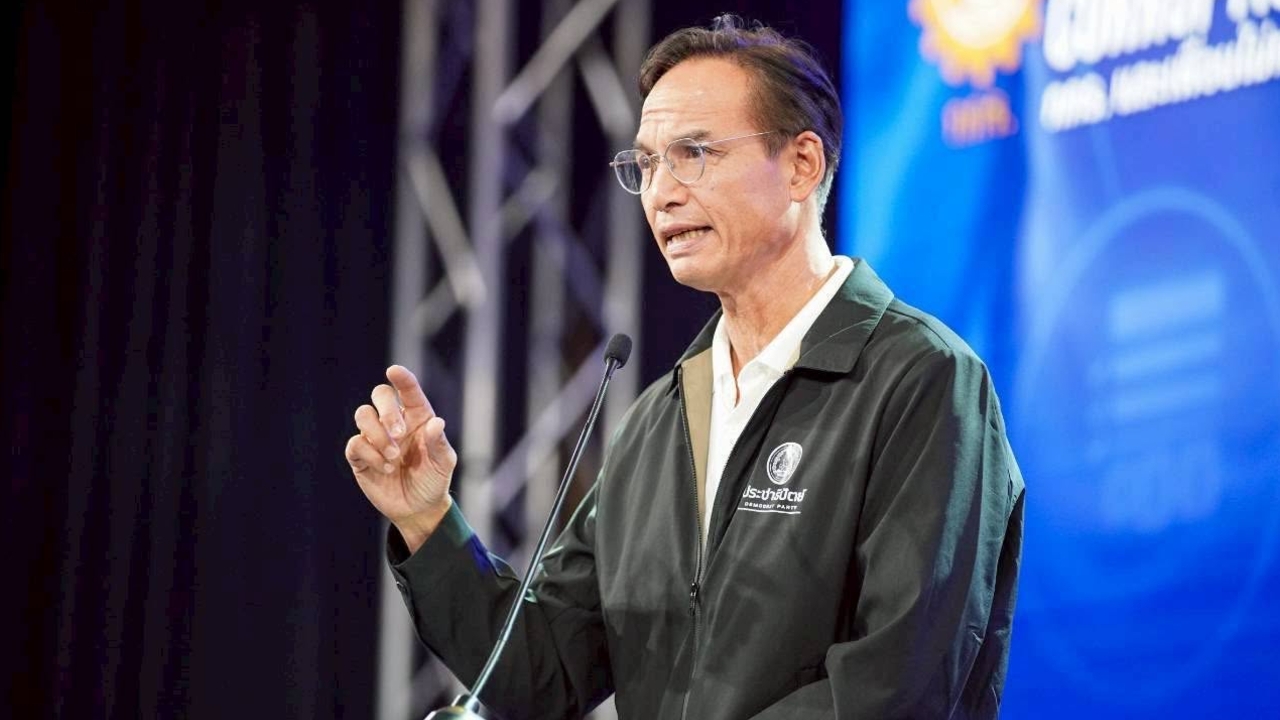
Korn admonished the government on addressing citizens' cost of living, affirming that diesel is a fundamental production cost and an economic lifeline. He urged the government to take a comprehensive view to understand the entire system's structure, citing that other countries also reduce fuel taxes.
At 07:30 on 21 Sep 2026 GMT+7, Mr. Korn Chatikavanij, a party-list MP and deputy leader of the Democrat Party, posted on Facebook responding to the deputy spokesperson of the Prime Minister’s Office rejecting his proposal to reallocate the budget from the “Thai Chuey Thai Plus 40/60” project for another two months to subsidize diesel prices. He argued that reducing diesel costs would more broadly aid the public by lowering production costs. Under the heading “Government Responds to Diesel Tax Cut Proposal Saying It Only Helps Vehicle Owners,” he stated: “I believe this is a misunderstanding. Diesel is not for private car drivers but fuels the entire economic system. Trucks transporting vegetables and pork to markets, buses, songthaews, vans, fishing boats, tractors, and harvesters all run on diesel. Even those without vehicles pay diesel costs daily through food prices, fares, and shipping fees. Conversely, 'Thai Chuey Thai' aids only project participants and only while funds last. Shops and businesses see no cost reductions, so when the money runs out, prices remain high.”
“I am not alone in this view,” he said, citing South Korea’s diesel tax cut of 25%, higher than the 15% cut on gasoline, recently extended through November. South Korea’s finance minister explained that diesel is the most essential fuel for industry, transport, and people’s livelihoods. Germany cut fuel taxes by about 17 euro cents per liter from May to June and agreed on another reduction last week. Both countries also implement targeted aid for vulnerable groups, similar to Thailand’s welfare cards, which I support. However, their governments accept budget cuts to reduce energy costs—the root cause of problems. Reducing fuel taxes lowers costs for the entire system, not just providing cash to some groups, helping everyone without increasing debt and addressing the root cause,” Korn concluded.