

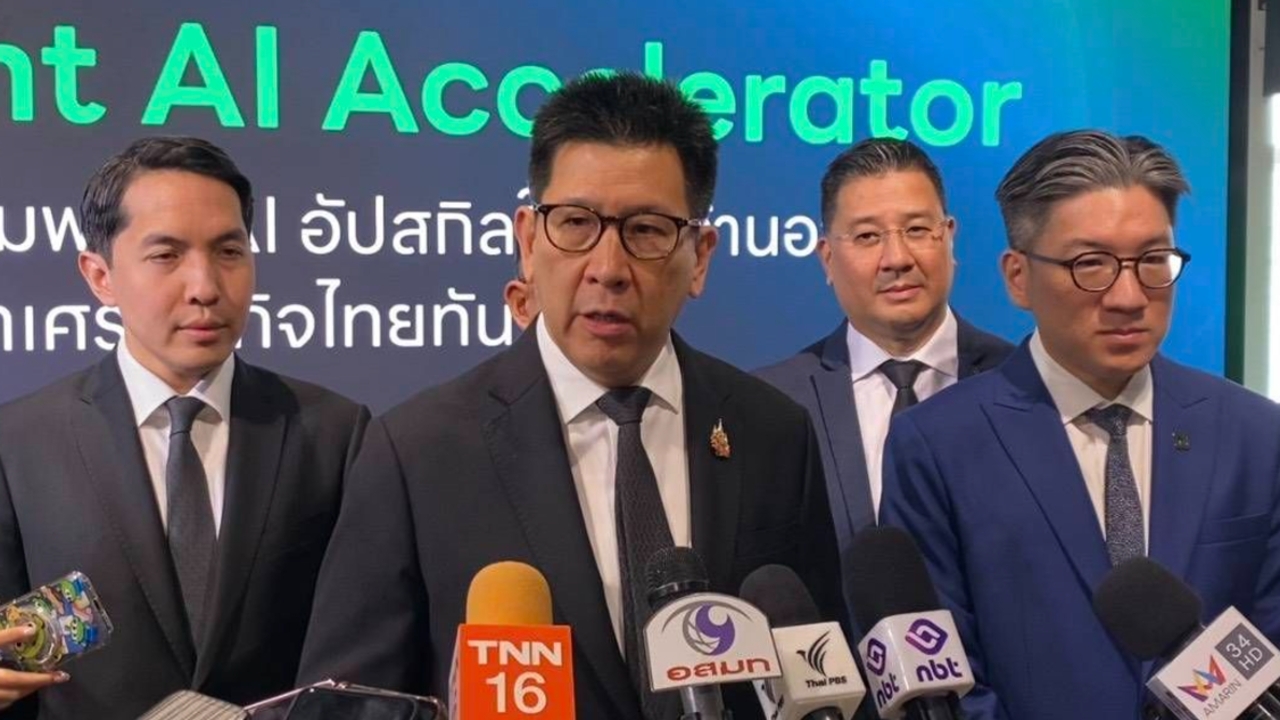
“Akniti” reveals three tools to support fuel prices, focusing on E20-B20 if tax cuts are pursued to assist farmers, emphasizing cost of living care alongside fiscal discipline to avoid repeated crises.
On 21 Sep 2026 GMT+7, Mr. Akniti Nitithanprapas, Deputy Prime Minister and Minister of Finance, addressed proposals to use remaining loan funds from Middle East crisis relief to manage fuel prices through excise tax cuts. He stated the government has multiple tools to manage energy prices and must choose those suited to the situation.
Mr. Akniti explained the main tools are threefold: using the Oil Fuel Fund mechanism, seeking refinery cooperation to channel excess refining profits to ease retail prices, and adjusting excise tax on fuel, which is an alternative if necessary.
However, the government has not yet opted to cut excise tax because each reduction immediately reduces government revenue, while expenditures remain unchanged. Ultimately, the government might need to borrow to compensate lost income, so fiscal impacts must be considered simultaneously.
The Deputy Prime Minister and Finance Minister said if excise measures become necessary, the government is considering more targeted assistance by focusing on certain fuels like E20 and B20, which have higher ethanol and biodiesel content, so benefits extend beyond price cuts to support the agricultural sector.
Ethanol used in E20 mainly comes from sugarcane and cassava, while biodiesel relates to palm oil. Therefore, excise tax reductions on these fuel groups would link energy measures directly to Thai farmers' incomes.
Mr. Akniti emphasized that helping people with living costs must go hand in hand with maintaining fiscal discipline, especially near the fiscal year's end in September, as the remaining fiscal room is limited to about 10 billion baht.
If revenue reduction measures are enacted without thorough evaluation, energy issues could escalate into fiscal problems, creating a "crisis upon crisis." For the next fiscal year, the government will reassess fiscal space before deciding the extent of additional measures.
“Fitch Ratings recently reported that Thailand manages energy challenges well while maintaining strong fiscal discipline continuously, which the government aims to preserve,” Mr. Akniti said.