

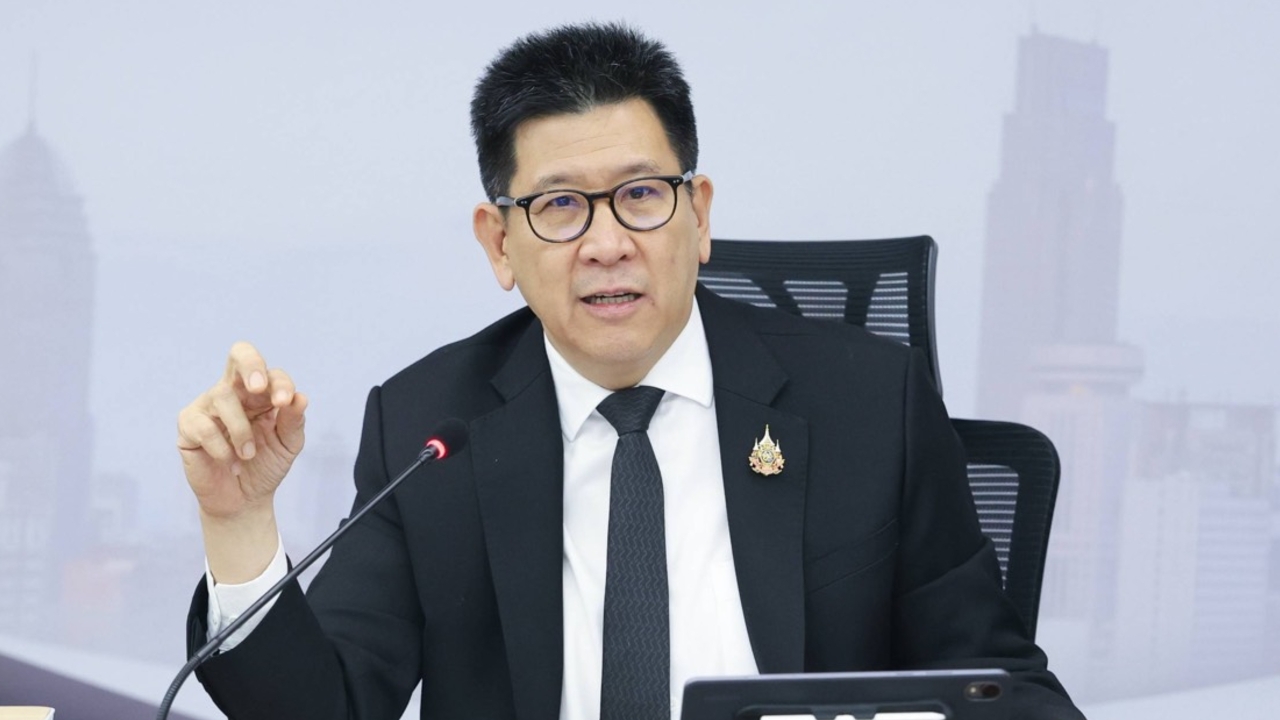
“Ekniti” partners with the Joint Private Sector Committee (JPSC) to push forward Reinvent Thailand by linking seven business sectors to accelerate turning proposals into practice. The aim is for the Thai economy to grow at no less than 3% per year and to raise the investment ratio to 30% of GDP, while elevating Thailand into the top 20 in global competitiveness rankings, unlocking business opportunities and laying the groundwork for future industries.
On 21 Sep 2026 GMT+7, Mr. Ekniti Nitithanprapas, Deputy Prime Minister and Finance Minister, said after discussions with the Joint Private Sector Committee (JPSC) on Reinvent Thailand to enhance investment and the country's competitiveness that this meeting builds upon the Bangkok Business Summit 2026. The summit gathered perspectives and proposals from government, private sector, and international organizations, which have been developed into policy proposals across seven target business groups or the 'frontline': agro-processing, automotive, retail and trade, smart electronics, medical and wellness, tourism, and the creative economy.
The government aims to enhance national capacity to become a high-income country by 2037. The JPSC targets driving Thailand's economic growth to no less than 3% annually through the Investment-led Growth strategy, pushing investment to at least 30% of GDP, and improving Thailand's global competitiveness ranking to within the top 20.

Mr. Ekniti added that the private sector serves as the frontline of Thailand's economic team, playing a crucial role in investment, job creation, and income generation. Economic progress requires collaboration between the frontline of seven target business groups and the midfield covering four areas: infrastructure, digital and AI, energy, and finance. Meanwhile, the government will support by unlocking regulations and creating a competitive environment to rapidly translate proposals into real action.
Economic advancement must connect investment and global market opportunities to domestic entrepreneurs, build Local Champions, and integrate Thai SMEs into the new economy's supply chains. This approach aims to generate employment, spread economic opportunities, and reduce the risk of a K-shaped recovery.
The meeting agreed to connect the Reinvent Thailand working groups across the seven business sectors with the Joint Public-Private Committee (JPSC) subcommittees to address economic issues. This linkage ensures private sector proposals enter a systematic review process with designated lead agencies, clear timelines, and continuous monitoring of results.
The implementation approach is divided into three phases: Stabilize Today—address urgent issues, reduce costs, and remove business obstacles; Transition Now—support entrepreneurs adapting to new technologies, business models, and standards; and Invest for Tomorrow—lay foundations for investment in future industries, develop skills, and establish long-term infrastructure.
However, the JPSC and government will jointly prioritize proposals from the seven business groups, considering readiness in the four midfield areas as well as financial and fiscal stability measures. These will be separated into urgent and structural measures to impact investment, productivity, job creation, and income upgrading. This collaboration marks a shift from discussion to action, with government and private sectors working together as Thailand's economic team—linking the frontline seven business groups, the midfield four areas, and the defense for financial and fiscal stability to establish a strong, resilient, competitive, and sustainable growth foundation.
