

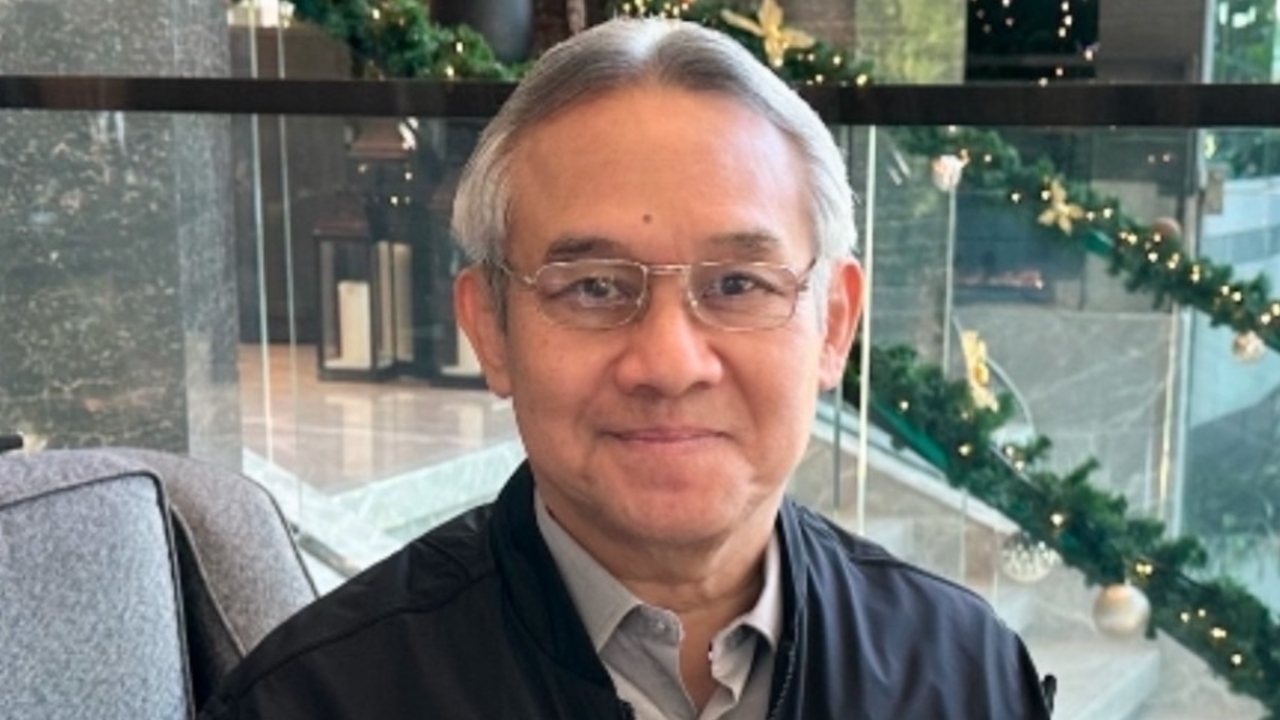
Suradech proposes the government take strong measures to tackle foreign nominees, emphasizing deterrence by example, canceling visa-free entry to close loopholes, recommending stricter laws to increase penalties for offenders, and urging integration among government agencies to coordinate efforts effectively. Tags: [foreign nominees, government policy, visa-free entry, legal reform, law enforcement, interagency cooperation]
On 22 Sep 2026 GMT+7, Suradech Yasawat, an independent politician, former senator, and ex-deputy leader of the Palang Pracharath Party, addressed the issue of foreign nominees. He stated the crucial solution now is for the government to strictly and seriously enforce the law, applying punishments that serve as clear warnings. Instead of just fines or temporary business closures, actual prison sentences must be enforced without exception to deter foreign investors and Thai nominees from breaking the law again.Tags: [Suradech Yasawat, law enforcement, foreign nominees, criminal penalties, government enforcement]
Furthermore, the government should direct central agencies to resolve problems locally, such as the Department of Special Investigation (DSI), which specializes in tracing financial flows, money laundering, and examining complex company structures. Leading investigations by such agencies would help root out these schemes. Continuing to rely on local police or authorities may encounter influence or authority limitations.Tags: [DSI, financial investigation, money laundering, local enforcement challenges, government agencies]
Suradech said the government must integrate all relevant agencies, led by the Ministry of Commerce overseeing the Department of Business Development, Ministry of Interior, police, DSI, the Anti-Corruption Commission, and the Anti-Money Laundering Office (AMLO). They should link databases for faster, more accurate work. Proactive checks must focus upstream, screening and monitoring company registrations and risky legal entities before damage occurs. Additionally, laws and nationality rules that allow illegal citizenship grants should be reviewed and backtracked to close exploitation loopholes.Tags: [interagency integration, Ministry of Commerce, data sharing, proactive monitoring, legal reform, nationality laws]
This includes revising specific business regulations to simplify and reduce redundant steps in eight specialized foreign-owned service sectors. The goal is to reorganize transparently and impose harsher penalties on those aiding, supporting, or holding shares for foreigners to instill fear of the law. The eight sectors are: 1. telecommunications services, 2. money management centers, 3. administrative, human resources, and IT management services within affiliated companies, 4. domestic debt guarantee services, 5. leasing space for installing electronic financial or vending machines, 6. petroleum drilling services, 7. other businesses under securities and exchange laws, and 8. services as agents, traders, advisors, or fund managers in futures contracts.Tags: [business regulation, foreign ownership, legal penalties, specialized service sectors, transparency]
Suradech further suggested the government: 1. Set deadlines for action to motivate officials; 2. Monitor and decisively punish officials colluding with foreign nominee capitalists; 3. Act urgently with measures such as license revocation, prosecution, asset seizure, imprisonment, deportation, and blacklisting to bar reentry; 4. Cancel visa-free entry to block grey capital groups, with the Ministry of Foreign Affairs screening visa issuance; and 5. Encourage public participation in reporting, ensuring law enforcement is strict, decisive, transparent, equal, and fair to build public trust. He also recommended adopting AI technology to enhance proactive enforcement effectiveness.Tags: [government recommendations, law enforcement, visa policy, anti-corruption, public participation, AI technology]
“The government must cancel visa-free entry for countries with high statistics of foreign nominee business activities. Although visa waivers boost tourism short-term, they create critical loopholes allowing grey capital groups and migrant workers to establish illegal business networks and livelihoods in Thailand more easily,” Suradech stated.Tags: [visa policy, foreign investment, illegal business, grey capital, migrant workers, border control]