

The Ombudsman convened a meeting to urgently address the issue of "transboundary hazardous waste," proposing Cabinet measures to close loopholes from import checkpoints to end-point factories by upgrading X-ray inspections and real-time databases, along with establishing a central disposal plant.
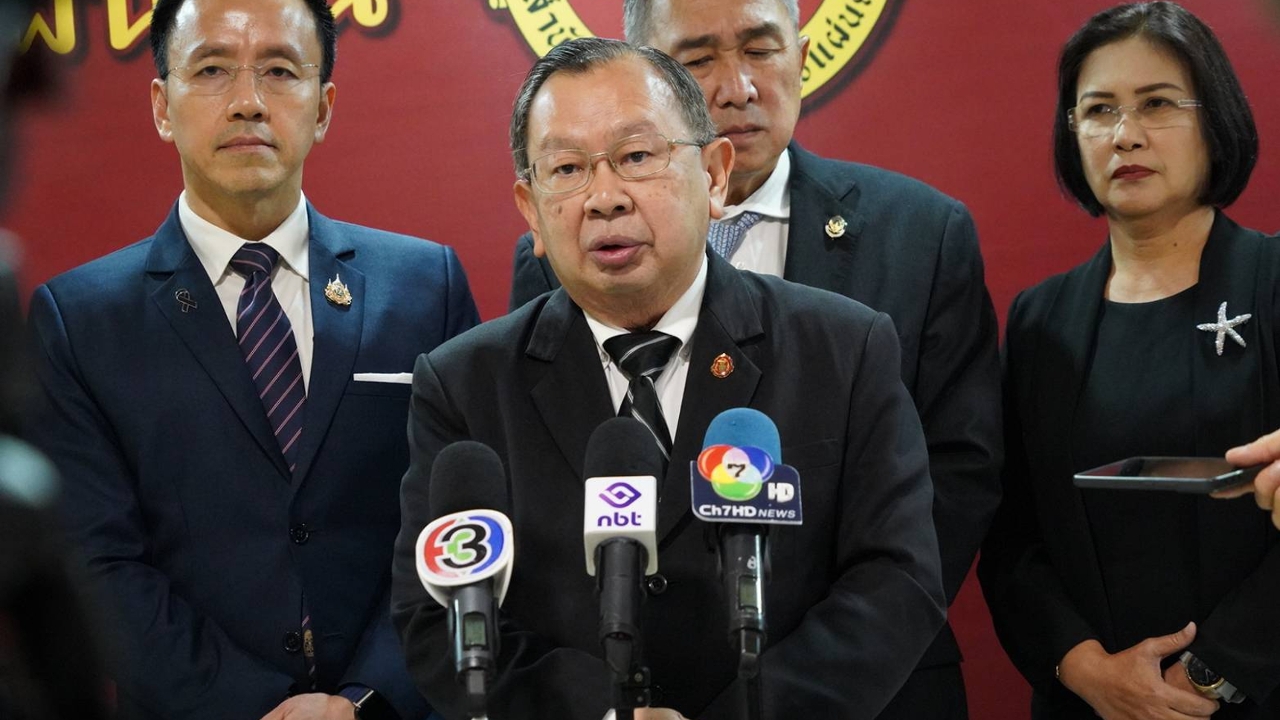
At 09:00 on 23 Sep 2026 GMT+7, at the Ombudsman’s office, Mr. Songsak Saicheua, Chairman of the Ombudsman, held a meeting with representatives from the Ministry of Industry, Department of Industrial Works, Customs Department, Pollution Control Department, Industrial Estate Authority of Thailand (IEAT), Department of Land Transport, Department of Local Administration, Department of Public Works and Town & Country Planning, Department of Special Investigation, and other relevant agencies. The meeting aimed to establish systematic measures to resolve illegal imports of electronic waste, plastic waste, red dust, and hazardous waste, to be proposed for Cabinet consideration.
After the meeting, Mr. Songsak stated that the meeting concluded on preventive measures against illegal imports of electronic waste, plastic waste, red dust, and hazardous waste, aiming to close regulatory gaps from origin to endpoint as follows: 1. Establishment of a national mechanism to manage the import of electronic waste, plastic waste, red dust, and other hazardous waste, chaired by the Prime Minister or Deputy Prime Minister. This includes setting up a real-time hazardous waste import surveillance center led by the Customs Department in cooperation with related agencies, upgrading container inspection systems and X-ray technology, setting risk criteria for goods and origin countries, implementing an industrial waste tracking system, and managing seized evidence securely without compromising legal processes.
Mr. Songsak added that proposals also include revising penalties for offenders, setting time limits on factory operation licenses, and establishing land-use and oversight measures for high-risk factories. Such factories—specifically those in categories 60, 105, and 106—would be permitted only in areas with adequate pollution treatment systems, thereby controlling the number of high-risk factories. Additionally, the government is urged to establish a comprehensive central facility for industrial, hazardous waste, toxins, and narcotics disposal, funded by fees charged to offenders.
"The approach to solving the problem goes beyond prosecuting individual cases; it involves presenting factual findings as systemic preventive measures, including inspections, data integration, and law enforcement, to close loopholes that enable illegal hazardous waste imports. This will expedite multidimensional problem-solving and foster integrated cooperation among agencies with linked data and comprehensive preventive measures from origin to endpoint, protecting the public and the environment long-term. We expect to prepare a report for Cabinet consideration within the next two months," Mr. Songsak stated. Mr. Songsak said