

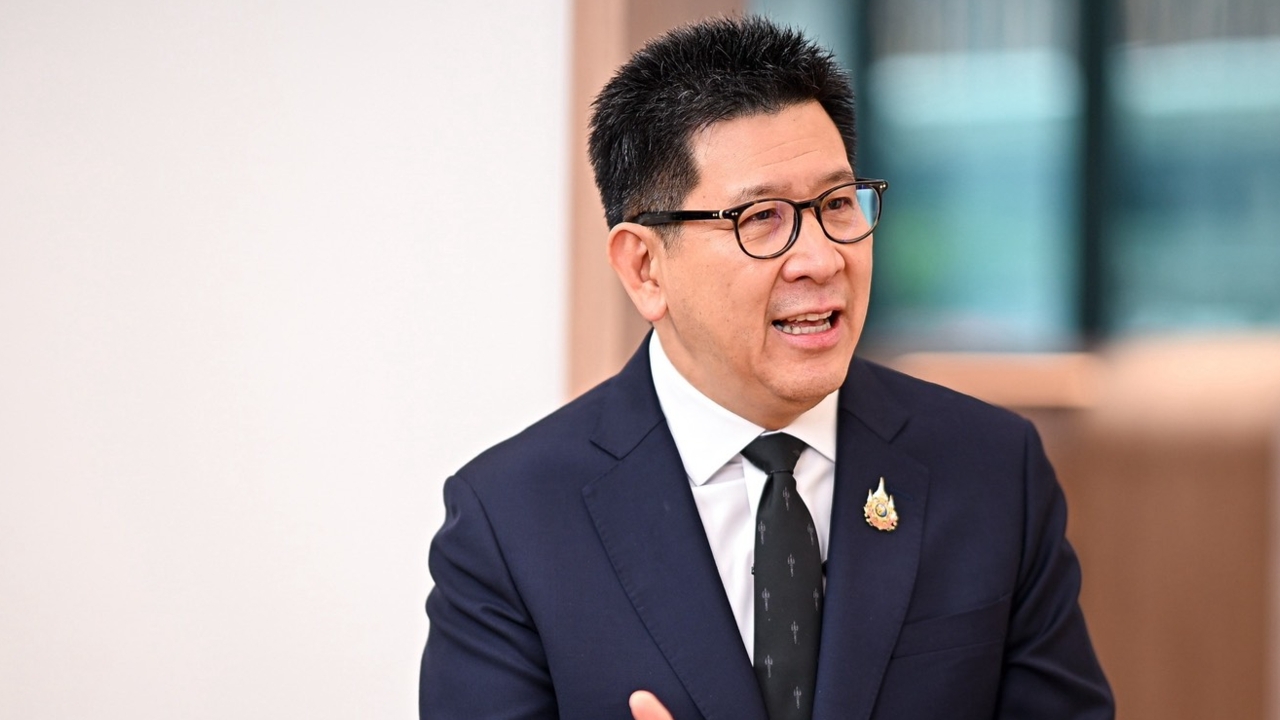
Ekniti points out the energy crisis is not over, advancing "Thai Help Thai Plus" Phase 2 to support purchasing power during the transition. He stresses fiscal discipline, accelerates solar and Thai energy development, reduces import reliance, and builds long-term resilience.
On 26 Sep 2026 at 09:05 GMT+7, Mr. Ekniti Nitithanprapas, Deputy Prime Minister and Minister of Finance, revealed in an interview on the program "Talk with the Cabinet: Anutin" about progressing the "Thai Help Thai Plus" 60/40 Phase 2 project. He explained the project originated from the Middle East crisis impacting Thai living costs in waves—starting from rising oil prices, followed by higher goods prices, which then affected purchasing power as incomes did not keep up with expenses. The government designed measures to reduce living costs and support small vendors affected by declining purchasing power.
Mr. Ekniti said the project sets a spending limit of no more than 200 baht per day because it aims to assist daily living expenses rather than encourage excessive spending. At the same time, government resources are limited, so priority is given to small individuals, market vendors, street stalls, and small shops first.
Over the past more than three months, about 26 million people have used the benefits, with around 1.2 million small shops participating. This has generated over 160 billion baht to support purchasing power. Shops in Bangkok account for only 16%, reflecting that funds have been distributed to shops and areas across the provinces nationwide.
The Deputy Prime Minister stated that the term "Plus" does not only mean helping with living costs but also aims to increase skills for small vendors by providing access to food delivery platforms and learning online sales. Mr. Ekniti noted that some participating shops have seen a clear increase in online sales, and many shops from previous projects have maintained sales even after the measures ended.
Another aspect is the AI assistant "Nokkasip" in the "Thong Ngern" application, which helps analyze sales, best-selling days, raw material costs, and other data for business planning. This supports small entrepreneurs in reducing costs and managing inventory more accurately. Mr. Ekniti gave the example of a dessert shop that can see which days have higher or lower sales and adjust production accordingly.
Trade data from the system also increases opportunities for small entrepreneurs to access credit, as banks can see income information from the system. Meanwhile, the Thai Credit Guarantee Corporation provides guarantees to reduce limitations for entrepreneurs without collateral and lessen reliance on informal loans.
Mr. Ekniti said the government does not see continuous cash injections as a sustainable solution. The reason for not using the energy transition budget to continuously expand assistance is to maintain fiscal discipline and because current support occurs due to Thailand's slow energy transition amid ongoing conflicts.
In the long term, reducing dependence on imported energy must be accelerated. Solar energy is one approach: when households can generate electricity and lower their bills, the need for subsidies to help with living costs will decrease, while also reducing national gas imports and foreign currency outflows.
Mr. Ekniti said the energy transition also includes promoting biodiesel from palm oil and ethanol from sugarcane and cassava—raw materials produced by Thais. This helps reduce reliance on imported oil and generates income for farmers and the domestic economy.
General oil price subsidies only provide temporary relief. A long-term approach should create incentives to increase the use of alternative energies produced domestically to strengthen the country, reduce foreign dependence, and directly benefit Thai farmers.