

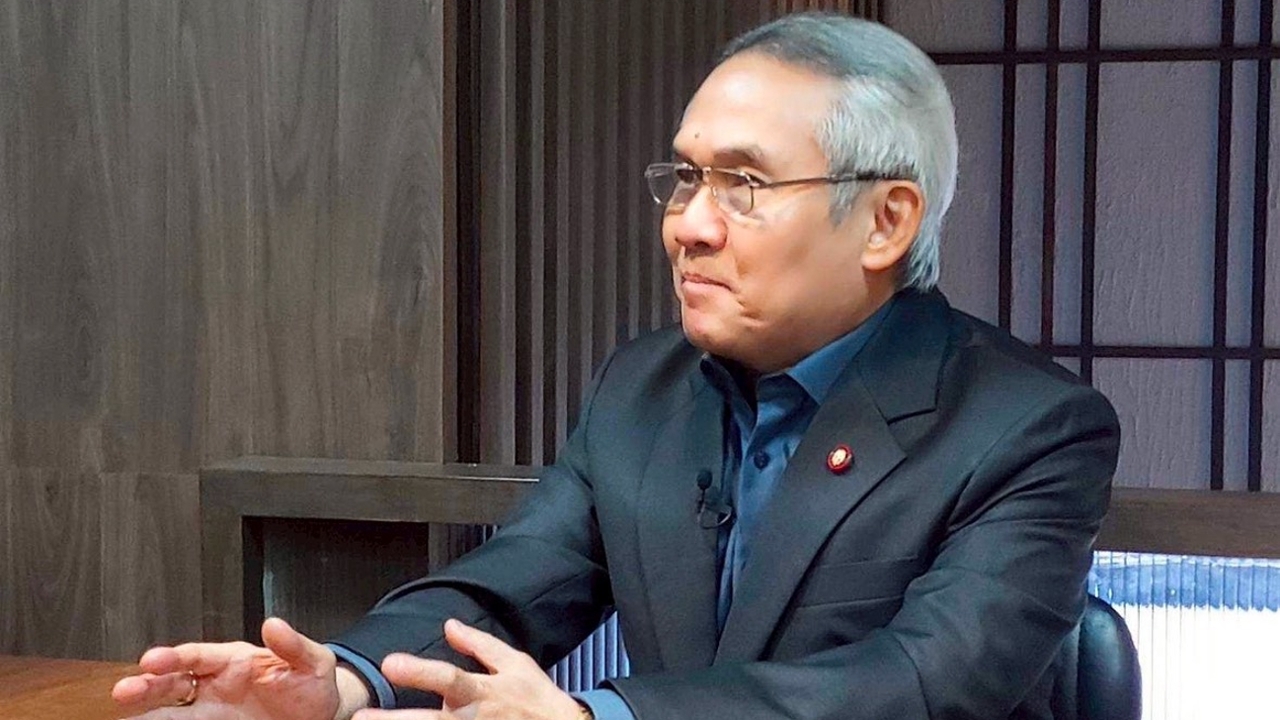
Suradech criticized many agencies for failing to prepare in advance, which caused flooding in Bangkok. He recommended strict enforcement of laws against littering, along with urgently accelerating construction of a giant water tunnel for additional drainage and building medium-sized reservoirs around Bangkok.
On 28 Sep 2026 GMT+7, Suradech Yasawat, former deputy leader of the Palang Pracharath Party, spoke about the flooding situation in Bangkok. He said the floods were caused solely by heavy rainfall, which the government should have prepared for in advance since the rainy season is known. This event showed the government’s inadequate preparation because normally water in canals should be drained beforehand before releasing water from reservoirs. The Royal Irrigation Department, under the Ministry of Agriculture and Cooperatives, should take a more proactive role not only managing agricultural water but also draining water and dredging canals, a duty of the Marine Department under the Ministry of Transport. Additionally, the Office of National Water Resources (ONWR), reporting directly to the Prime Minister, must work in an integrated manner. These agencies should prepare months ahead, knowing the rainy season’s arrival, by draining canals and reservoirs and distributing water to retention areas.
Suradech added that during General Prawit Wongsuwan’s tenure as deputy prime minister overseeing the ONWR, water was continuously managed and distributed, preventing such flooding events for eight years despite heavy rains and storms. Thus, all related agencies share blame. The current government, still inexperienced, and the Bangkok governor, who has never faced such an event, cannot handle it alone; cooperation among agencies is essential. Neglecting these issues is unacceptable. This must serve as a lesson for both the government and the Bangkok governor.
Suradech said the slow drainage was mainly due to large amounts of trash blocking drainage pipes, causing water to accumulate. Officials frequently find plastic waste, bags, bottles, and food scraps clogging pipes and drainage grates, along with large debris like mattresses and sofas—up to 5-10 tons daily—blocking pumping stations and main canals. These obstacles prevent water flow, causing flooding even after short rains. The trash also causes water pollution, producing foul odors and becoming breeding grounds for pathogens.
Suradech believes Bangkok must solve the problem permanently by upgrading infrastructure and managing water systematically, preparing for three main factors: rainwater, upstream water, and tidal surges. Infrastructure and engineering solutions include expanding and connecting drainage networks to match actual rainfall, completing large drainage tunnels to speed water flow from inner areas to the Chao Phraya River, sealing reservoir leak points, raising riverbanks and dikes to prevent overflow into the city, and increasing pumping stations and automatic floodgates along main canals. Urban planning must also prevent construction blocking water flow and increase retention areas or green spaces to absorb rainwater. Additionally, sensor technology should monitor water levels and assess situations to drain canals before rains.
Suradech proposed sustainable flood solutions for Bangkok in three phases: short, medium, and long term.
1. Short term: Drain reservoirs and canals one to two weeks before the usual rainy season. Inspect and remove all trash from drainage pipes and strictly enforce laws against littering. Verify the effectiveness of canal dredging efforts.
2. Medium term: Accelerate the construction of the giant water drainage tunnel as quickly as possible. Repair damaged riverbank reservoirs promptly. Use AI linked with satellites to accurately forecast storm timing and severity, and sea and river water levels at least 24 hours ahead. Employ advanced sensors for continuous water level monitoring and prepare water distribution to prevent localized flooding.
3. Long term: Expedite building medium-sized reservoirs around Bangkok to store heavy and prolonged rainfall. Improve urban planning to prevent constructions that obstruct water flow. Increase tree planting by government, private sector, and residents to enhance groundwater absorption, oxygen production, and air pollution filtration.