

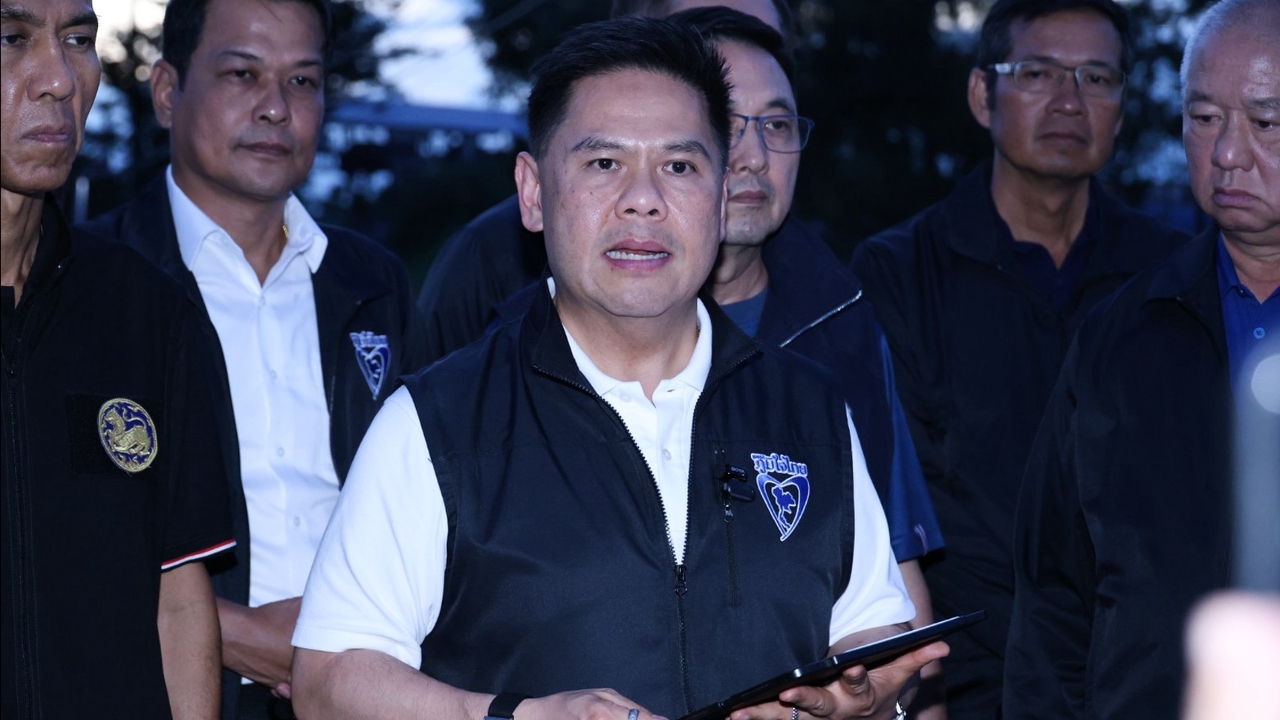
Warawut convened a meeting to prepare for the Tha Chin River basin situation, endorsing Ekniti's plan to divert water into northern fields already harvested, aiming to alleviate conditions in the south as Song Phi Nong and Bang Pla Ma districts face a critical situation due to flooding.
On 29 September 2026, at the Pho Phraya Irrigation and Maintenance Project meeting room in Mueang Suphan Buri District, Suphan Buri Province, Mr. Warawut Sinlapacha, Minister of Industry and chair of the Subcommittee on Flood and Drought Prevention and Resolution for the Tha Chin River basin, presided over a meeting to monitor the 2026 flood situation. The meeting analyzed water conditions in the Tha Chin basin and coordinated flood prevention and response in municipal areas, including alert systems for local administrative organizations along the Tha Chin River. Attendees included heads of government offices in Suphan Buri, governors from the four provinces in the Tha Chin basin (Chainat, Suphan Buri, Nakhon Pathom, Samut Sakhon), provincial agriculture and cooperative officers, directors of natural resources and environment offices, provincial public health doctors, representatives from the Ministry of Transport, Ministry of Defense, irrigation offices, meteorological and water resource departments, the National Disaster Warning Center, the Department of Disaster Prevention and Mitigation, police, military, as well as MPs Sornchat Sujit (Suphan Buri district 1) and Nattawut Prasertsuwan (Suphan Buri district 2) from the Bhumjaithai Party.
MP Sornchat said at the meeting that the water situation is truly critical. Without upstream water retention in Suphan Buri, the situation will become unmanageable. Though harsh, sometimes sacrifices must be made by prioritizing protecting vital areas impacting people's lives. In 2006, he managed to protect only Chaophraya Yommarat Hospital but had to set up a field hospital outside. He does not want that to happen again. He noted that while damage in the upper water retention fields may be limited, pumping water down to the lower retention fields in Song Phi Nong and Bang Pla Ma districts would severely affect municipalities and key economic arteries, which is a major concern. Additionally, the lower retention fields need improvements in pumping capacity and better planning.
MP Nattawut added that long-term planning is necessary, considering potential future droughts. Water management in the Tha Chin basin involves projects such as the Phon Thep, Tha Bot, Boromthat, and Pho Phraya irrigation and maintenance projects. Preparedness includes having appropriate tools and machinery to address issues, as well as integrated disaster relief efforts for affected people.
After the meeting, Warawut stated that the Pho Phraya Irrigation and Maintenance Project is a crucial lowland area, especially the Song Phi Nong and Bang Pla Ma fields, which are currently in a critical state. Water levels are close to or may exceed those of 2011. The lower part of the project receives water not only from the north but also from the western side, namely Kanchanaburi Province. The water volume in the southern system of the Pho Phraya project is already twice the Tha Chin River's capacity. Warawut received guidance from Deputy Prime Minister Ekniti Nitithanprapas, chair of the flood and drought prevention committee for the central region, advising that northern water retention fields—including the Tha Chin, Chao Phraya, and other northern basins—should accept as much water as possible into fields that have already been harvested without harming farmers. This approach aims to mitigate severe problems occurring downstream in Song Phi Nong and Bang Pla Ma districts, which could eventually affect Nakhon Pathom Province and beyond.
Warawut explained that the Tha Chin basin receives water not only from the north but also from the western fields. When rain clouds move westward across Thailand, heavy rainfall occurs in the western fields, which flows back into the Tha Chin basin in large volumes. Combined with the large water mass from the north, this results in massive inflows. Although water diversion into retention fields is generally avoided unless necessary, the current severe distress in the southern part of the basin requires following Ekniti's plan to divert water into fields at volumes that reduce hardship for southern residents. The Chao Phraya Dam is already releasing water near maximum capacity, and any increased discharge would worsen the situation.
Warawut expressed gratitude to all agencies working hard, emphasizing that in Mueang Suphan Buri District, important sites like Chaophraya Yommarat Hospital must be protected. In Song Phi Nong District, Somdet Phra Sangharaja the 17th Hospital is a priority for public safety. Agricultural areas are secondary. He thanked the Royal Irrigation Department, particularly Irrigation Office 12, for managing the large water volumes this year—a challenging task—and the heads of government offices in Suphan Buri for their full efforts.
Warawut also revealed that MP Sornchat and other Bhumjaithai Party MPs in Suphan Buri have opened party kitchens to prepare fresh meals for residents affected by flooding. For those unable to find parking, they can contact local administrative organization members or community leaders to use party premises or the Suphan Buri City Pillar Shrine area, where vehicles will be transported by flatbed trucks free of charge.
Following the meeting, Warawut and his team visited the flood prevention center at Chaophraya Yommarat Hospital in 2026 to monitor the situation at the Tha Chin River floodgate, a critical point to prevent floodwaters from breaching annually. This site protects Mueang Suphan Buri District, the economic zone. He stressed the importance of ensuring the highest level of flood prevention at this location.
