

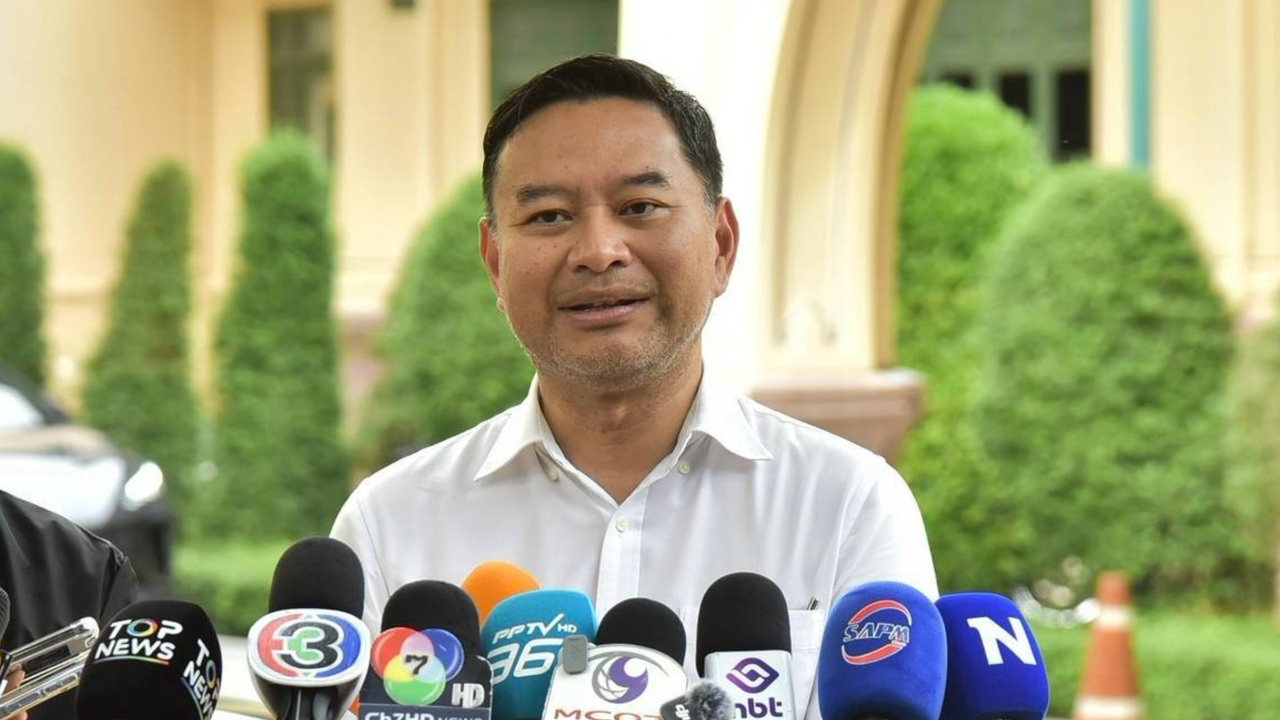
The government spokesman responded to concerns over alcohol and tobacco funds, affirming that there is no abolition of the four agencies or their missions, but rather an adjustment of the funding mechanism into the budget system. He emphasized that the draft law aims for transparency and fiscal discipline, and stressed that operators must continue paying excise taxes as before.
4 Oct 2026 GMT+7 Mr. Ekaphop Pianphiset, spokesman of the Prime Minister's Office, addressed the case of circulated messages opposing amendments to laws concerning the Thai Health Promotion Foundation (ThaiHealth), ThaiPBS, the Elderly Fund, and the National Sports Development Fund. The messages claimed that adjusting the alcohol and tobacco funding system would benefit alcohol and tobacco companies and cause these four agencies and funds to lose revenue.
Mr. Ekaphop stated that presenting the matter in this way could mislead the public about the substance of the draft law. He explained that manufacturers and importers of alcohol and tobacco still have the obligation to pay excise taxes under the law as before. The proposal is not to abolish the tax but to change the funding mechanism. Previously, specific laws mandated collection and direct transfer of funds as revenue for organizations or funds. The adjustment moves to using revenue sources and financial mechanisms as defined by each draft, including allocation through the annual expenditure budget.
"The money does not disappear, and there is no proposal to stop collecting taxes. It is a change in the allocation mechanism to bring state funds into the fiscal system, subject to budget consideration and systematic auditing."
The spokesman also emphasized that the four draft laws are still under public consultation and have not taken effect. The key points do not involve dissolving ThaiHealth, ThaiPBS, the Elderly Fund, or the National Sports Development Fund, nor canceling their missions. Instead, they adjust the financial mechanisms and revenue sources of each agency. The drafts must undergo legislative scrutiny as the next step.
The rationale behind the drafts is to establish transparency in the budget system and maintain fiscal discipline by channeling state funds into the fiscal system. Agencies with responsibilities must propose plans and budgets according to procedures to ensure expenditures can be audited, justifying value and impact for the public.
Regarding claims that the adjustment favors alcohol and tobacco companies, Mr. Ekaphop clarified that operators still have the duty to pay excise taxes under the law as before. The draft law's proposal is to adjust the funding mechanism and revenue sources for agencies and funds, which should not be interpreted as abolishing taxes or the agencies' missions.
In conclusion, the spokesman stated that this legal adjustment aims to standardize fiscal management, ensuring public funds are used transparently, auditable, and with fiscal discipline, resulting in benefits to the public. Meanwhile, the involved agencies and funds will continue their missions as mandated by law.