

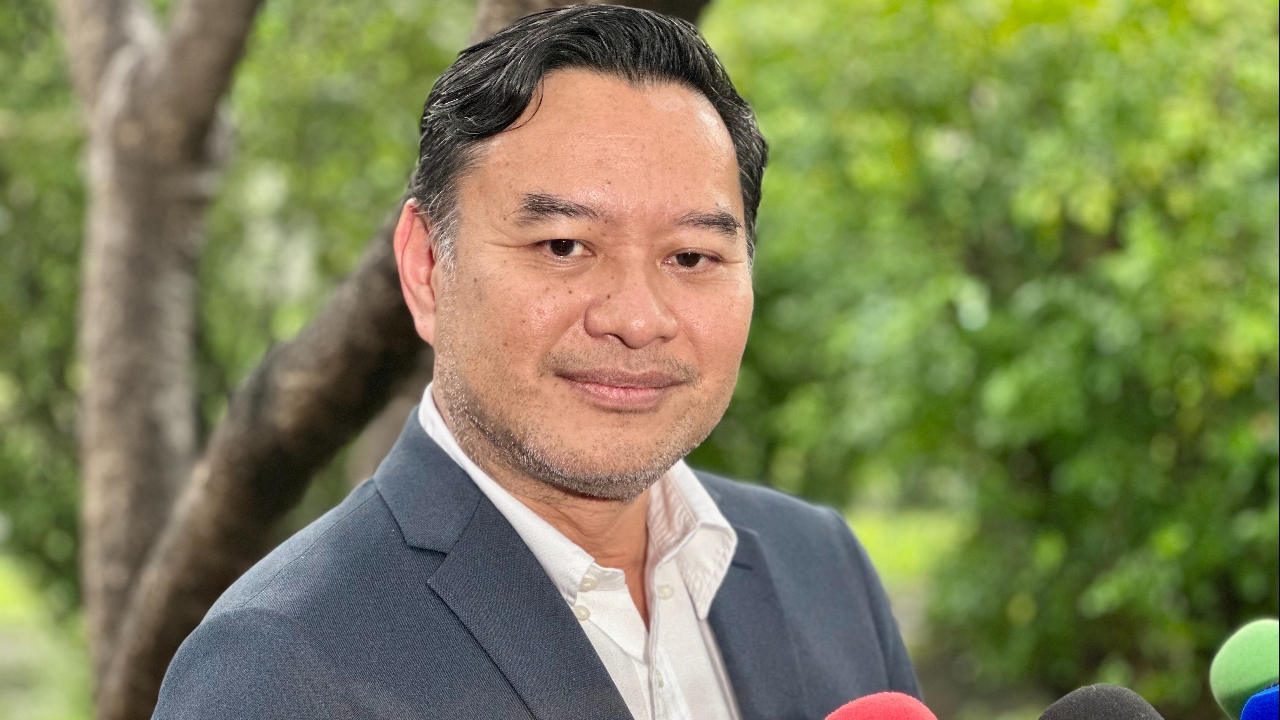
The government spokesperson emphasized that the Bhumjaithai Party MPs did not propose amending the law to change Thai PBS's management structure. He stated that receiving budgets must be transparent and neutral, comparing it to the NHSO model.
At 10:35 a.m. on 5 Oct 2026 GMT+7 at the Government House, Mr. Ekaphop Pianpiset, spokesman for the Prime Minister's Office, addressed the government's proposal to amend the law to change revenue sources for the Public Broadcasting Service of Thailand (Thai PBS), the Health Promotion Foundation (HPF), the Elderly Fund, and the National Sports Development Fund. This proposal had been linked to concerns about the state seizing control of Thai PBS as a government media outlet. He clarified that the law proposed by Bhumjaithai Party MPs does not alter the management structure of any agency, especially Thai PBS. The board and viewer networks remain unchanged. What changes is the budgeting method, which will become transparent and systematized. Therefore, there will be no cases of paying consultants 300,000 baht per month or hiring close network associates to produce programs. These will be subject to scrutiny. The public will gain a Thai PBS that is connected to the people and provides genuinely needed information. He reiterated that the proposal is not to amend the law to change Thai PBS's structure.
When asked about concerns that giving Thai PBS an annual budget might affect its news coverage, Mr. Ekaphop said Thailand has many state enterprises that the government cannot control operationally. For example, the National Health Security Office (NHSO), though chaired by the Minister of Public Health, does not have absolute command authority. However, the government can track its budget since NHSO must disclose annual budgets showing fund transfers to hospitals. In contrast, Thai PBS and HPF have never provided such explanations. Therefore, the public will receive increased transparency on these matters.