

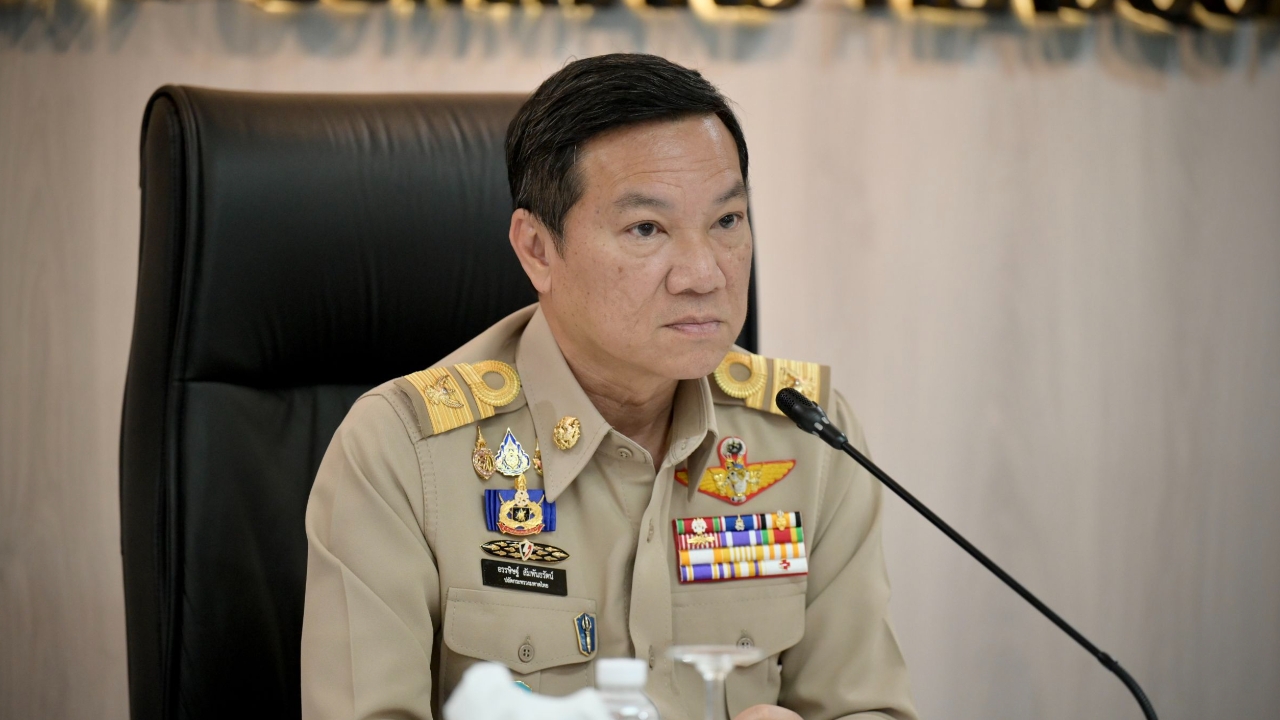
The Permanent Secretary of the Ministry of Interior emphasized to governors nationwide to prepare for floods on 11 fronts, particularly in 14 southern provinces, ordering the establishment of "24-hour provincial command centers" to care for vulnerable groups and accelerate recovery to normal conditions promptly.
5 Oct 2026 GMT+7 Mr. Assisit Sampantharat, Permanent Secretary of the Ministry of Interior and Deputy Commander of the National Disaster Prevention and Mitigation Command, revealed directives from the National Disaster Prevention and Mitigation Command (NDPMC) meeting to monitor flood situations and assist affected people together with provincial governors and relevant agencies nationwide. The Prime Minister and Minister of Interior, Mr. Anutin Charnvirakul, serving as Commander of the NDPMC, chaired the meeting over the past six days to outline systematic and comprehensive measures to aid citizens during the flood crisis.
To ensure effective flood management, he highlighted 11 key directives. These include
1. Management: Provincial governors, as provincial commanders, must systematically manage situations including overseeing temporary shelters, caring for vulnerable groups, maintaining electricity and water supply, and ensuring the fair, non-duplicative distribution of donated goods.
2. Information: Provinces should use forecast data, risk areas, and situation trends to guide decisions. Detailed satellite image analyses should be simplified for clear warnings. The Department of Disaster Prevention and Mitigation (DDPM) is to serve as the central hub integrating continuous data with related agencies.
3. Coordination and Integration: Provinces experiencing or at risk of flooding, especially in key river basins, must set up 24-hour provincial command centers. Staff should be assigned appropriately to avoid fatigue and provide timely, accurate, concise, and understandable information to the public, while integrating efforts across all levels.
4. Support and Logistics: Provinces with sufficient resources and donations should assist those with fewer resources.
5. Medical and Public Health: Relevant agencies must prepare comprehensive medical services at temporary shelters, plan patient transfers from risk areas to hospitals or health centers with capacity, and address public mental health.
6. Enhancing Drainage Efficiency: Provinces, the Royal Irrigation Department, and relevant units must urgently remove waterway obstructions such as garbage, water hyacinths, and other aquatic plants to facilitate water flow and improve drainage.
7. Preparedness: Provinces likely to face flooding soon, especially those in the south, must urgently review localized emergency plans, identify risk areas, and clearly assign responsibilities. If evacuations are necessary, vulnerable groups should be moved to safe areas or temporary shelters before floods occur. The 4th Army Region, local administration, volunteers, and rescue teams must prepare personnel, equipment, disaster machinery, and temporary shelters in advance.
8. Public Awareness and Communication: The Government Public Relations Department, Office of the Prime Minister's Secretariat, and related agencies must intensify public communication efforts in collaboration with the Ministry of Interior's public relations units, provincial public relations, and all relevant bodies through all channels accurately and continuously.
9. Damage Assessment and Compensation: Provinces, Bangkok, and local agencies must promptly and comprehensively survey damages and expedite transparent, verifiable compensation payments to flood victims.
10. Post-Flood Recovery: Efforts must focus on draining water, removing waste and contaminants, cleaning homes and public areas to prevent health issues after floods, and implementing a Big Cleaning plan to enable residents and businesses to resume normal life and operations quickly.
11. Restoration of Public Utilities: Rapid restoration of electricity, water supply, roads, and telephone signals to full coverage and functionality is essential.
“The Ministry of Interior, through the Department of Disaster Prevention and Mitigation as the NDPMC secretariat, is committed and ready to fully integrate efforts with all agencies to alleviate suffering, promote well-being, and comprehensively assist flood-affected citizens. Provincial governors, district chiefs, department heads, and local administrative organizations are urged to strictly implement these 11 directives immediately and effectively to ensure safety of life and property, as well as to swiftly support recovery so that all communities can return to normal living as soon as possible.”