

The Ministry of Public Health is preparing medical services to support the IMF–World Bank 2026 meeting, overseeing from airports and hotels to the conference venue. They are also monitoring communicable diseases to ensure the safety of over 15,000 participants.
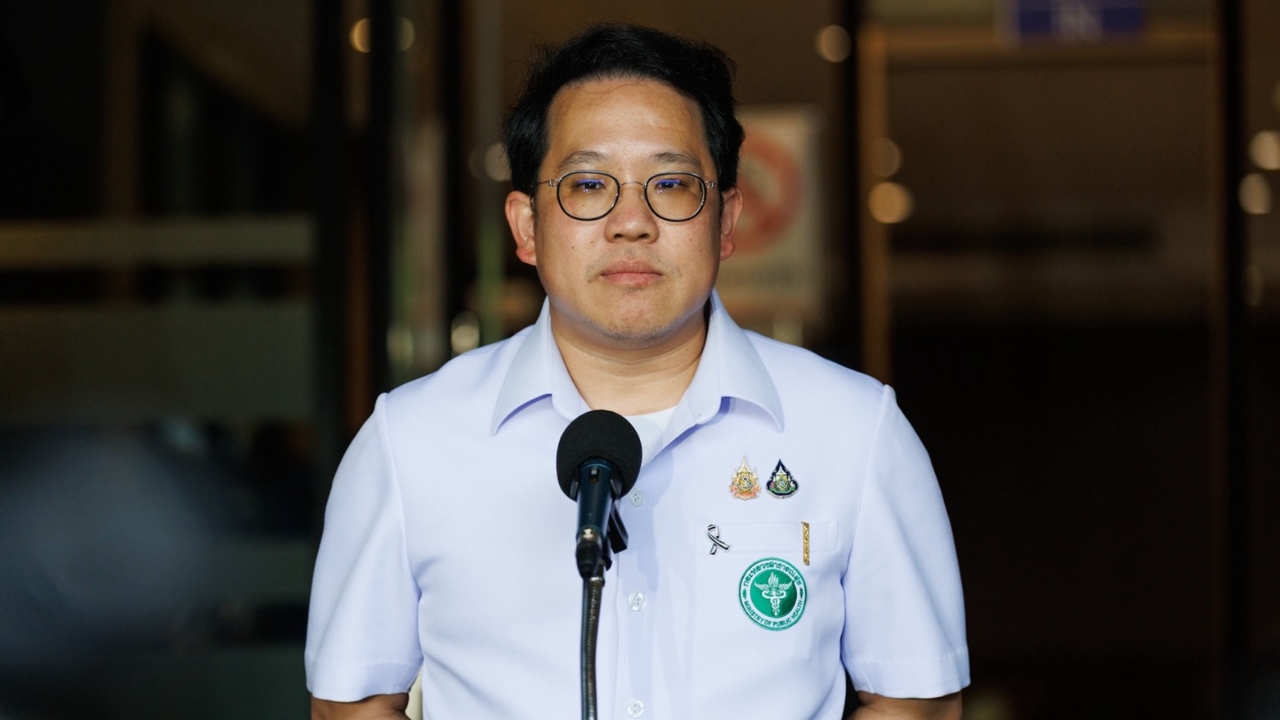
On 7 October 2026, Mr. Patthana Promphat, Minister of Public Health, said after a senior executive meeting that from 12-18 October 2026, Thailand will host the IMF–World Bank Group Annual Meetings 2026 at the Queen Sirikit National Convention Center. Leaders and participants from 191 countries, totaling over 15,000 people, are expected to attend. He assigned various agencies to prepare medical and public health services by establishing a Medical Command Center and deploying medical teams at the conference venue and hotels. These measures cover medical services, disease surveillance, prevention, control, and health hazard management to assure participants throughout the event.
Dr. Ekachai Piansriwatchara, Deputy Permanent Secretary of the Ministry of Public Health, added that at the Queen Sirikit National Convention Center, medical personnel from Rajavithi Hospital and the Department of Medical Services’ Institute of Neurology will be stationed at various points. They will collaborate with the Police General Hospital medical team for rapid patient referral coordination in case of illness. For the 21 hotels accommodating attendees, responsibility areas are divided into five zones with medical teams and referral systems linked to five main hospitals: Samitivej Sukhumvit Hospital, MedPark Hospital, Bumrungrad Hospital, Police General Hospital, and Chulalongkorn Hospital. Meanwhile, the Department of Health oversees food safety, water, sanitation, and environmental hygiene, and the Department of Medical Sciences supports laboratories to analyze samples related to food and water safety.
Dr. Ekachai further explained that with participants arriving from many regions worldwide, the Department of Disease Control will continuously monitor international communicable diseases and implement risk-level surveillance measures. The surveillance system connects the international disease control checkpoints at airports, hotels, and the conference venue. If travelers or participants exhibit symptoms or meet surveillance criteria, they will undergo assessment, epidemiological investigation, laboratory testing, and referral for appropriate care. Additionally, at airports, an emergency coordination system is prepared, linked to the 1669 emergency medical hotline and Medical Emergency Hotline, ensuring comprehensive care from arrival in Thailand until the end of their mission.