

Reuters highlights that Thailand’s economy is stronger than during the 1997 financial crisis and better equipped to handle global pressures. Ekniti plans to promote Thailand as a “Trusted Connector” at the IMF–World Bank forum to attract global investment into future industries.
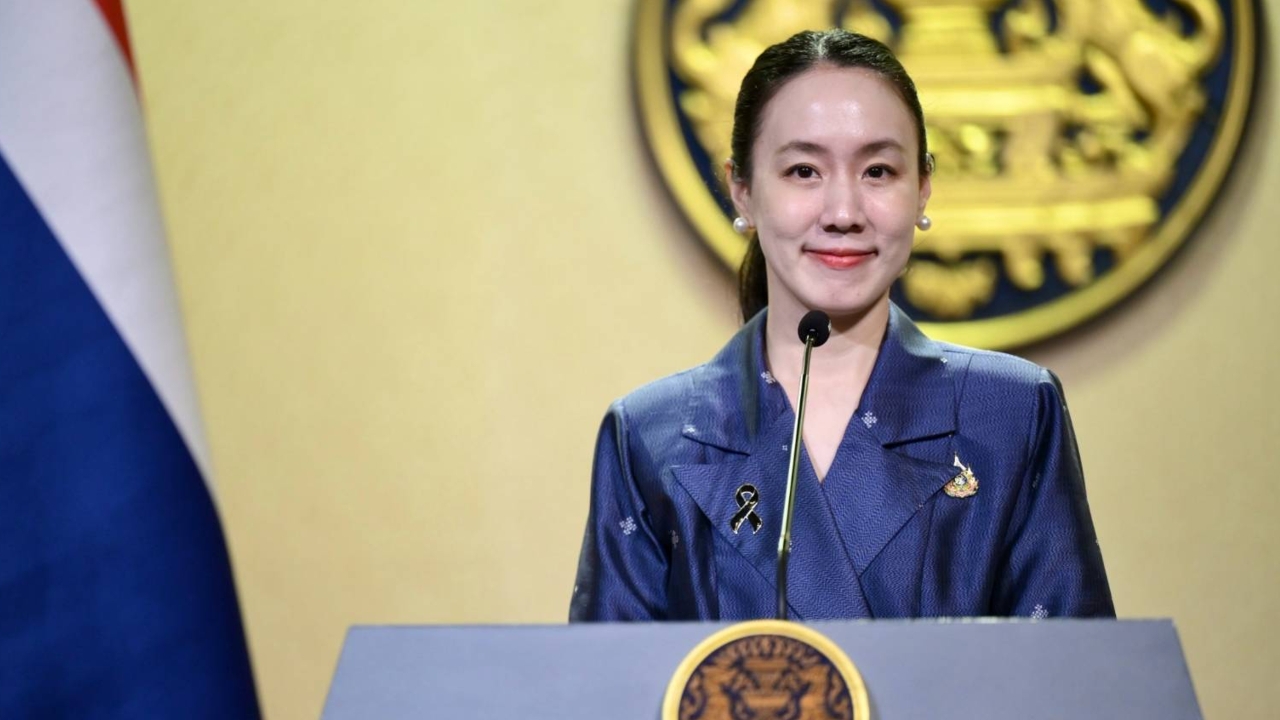
On 11 Oct 2026 GMT+7, Ms. Lalida Pertwivatana, Deputy Spokesperson of the Prime Minister's Office, revealed that Reuters published a report on 9 Oct 2026 GMT+7 titled “Nearly 30 years after IMF rescue, Thailand faces new economic test.” The report reflects that although Thailand’s economy still faces pressures from the global economy, it has greater resilience and stability compared to the 1997 financial crisis. Meanwhile, Deputy Prime Minister and Finance Minister Ekniti Nitithanprapas plans to use the upcoming IMF–World Bank Annual Meetings 2026, hosted by Thailand from 12–18 Oct, to highlight Thailand’s role as a “Trusted Connector”—a reliable economic link—to attract global investment into future industries.
Ms. Lalida said the Reuters report cited Fitch Ratings’ September assessment, which noted that Thailand’s economy managed the impact of global energy prices better than expected, inflationary pressures eased, and policy direction became clearer. Consequently, Fitch upgraded Thailand’s credit outlook from “negative” to “stable.”
At the same time, Reuters included an interview with Ekniti, who emphasized driving economic growth through investment, especially in semiconductor industries, data centers, advanced manufacturing, and electric vehicles, alongside developing renewable energy, power grids, and human resources to support high-tech industries.
Ms. Lalida added that amid geopolitical conflicts and trade tensions, Thailand is preparing to showcase its potential as a neutral and safe investment destination. It will promote the role of “Trusted Connector” to facilitate economic, trade, and investment cooperation internationally, leveraging its strategic location, manufacturing base, and regional economic links as supporting factors.
Furthermore, Reuters' report mentioned challenges for Thailand’s economy, including slowing growth, household debt burdens, and the need for structural reforms. The government plans to use the opportunity of hosting the IMF–World Bank meetings to communicate Thailand’s economic direction, build investor confidence worldwide, and promote investment in new industries to enhance competitiveness and foster sustainable economic growth.