

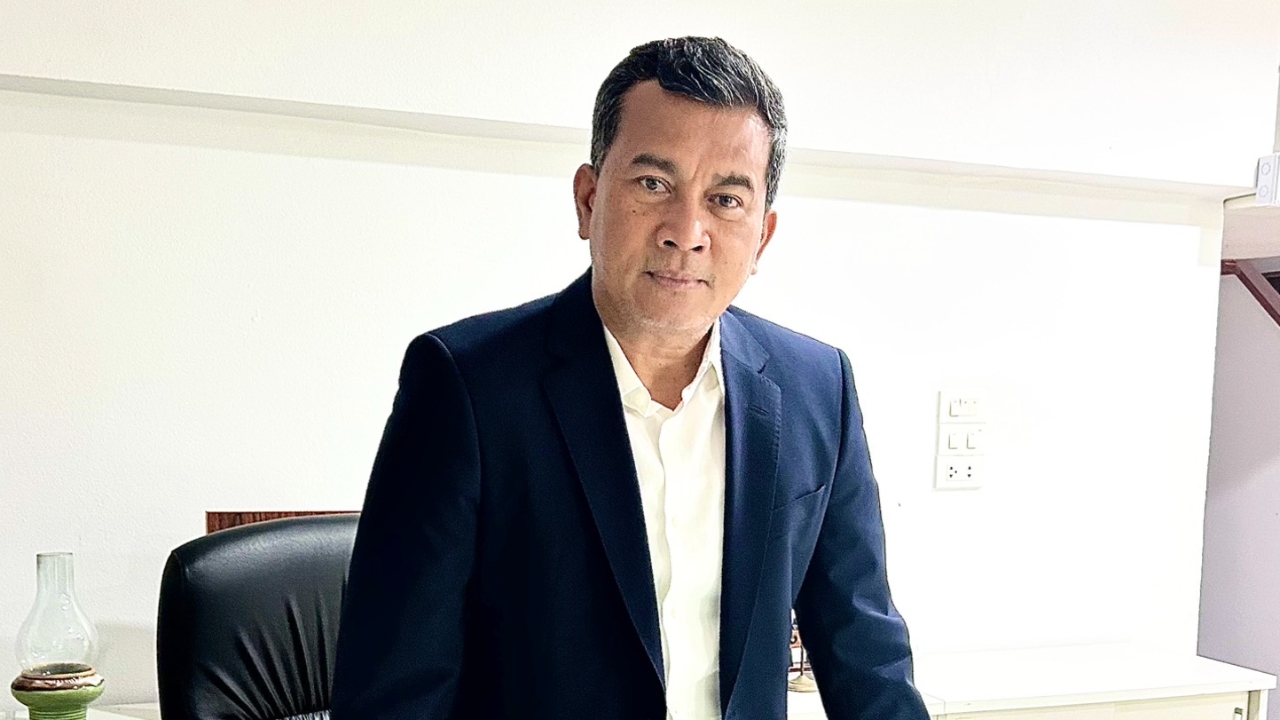
Chao Meekhuad, former deputy spokesperson of the Democrat Party, criticized Thaksin Shinawatra for lacking remorse and still seeking to clear his wrongdoing. He pointed out that corruption cases do not qualify for amnesty and warned the Peace Building Committee that if they dare to grant amnesty illegally, they risk imprisonment. The committee is urged to act within the law.
On 14 Oct 2026 GMT+7, Chao Meekhuad, former deputy spokesperson of the Democrat Party, posted on Facebook titled “Thaksin Lacks Remorse Yet Seeks to Clear Wrongdoing,” criticizing former Prime Minister Thaksin Shinawatra’s submission of an amnesty request through lawyers. He warned the Peace Building Committee to exercise authority within legal limits. Chao expressed surprise at Thaksin's attempt to seek amnesty to clear himself in corruption cases, despite knowing well that such cases do not qualify for amnesty. He criticized Thaksin’s selfishness, disregarding societal turmoil caused. He emphasized that Thaksin's cases must be judged individually, and since they involve corruption or misconduct, they fall under the exception in Section 3, and cannot be amnestied simply because the offender is a politician or claims the case arose amid political conflict.
“Thaksin’s cases involve corruption for personal gain. After losing benefits, he fueled social conflict, leaving wounds on the country to this day. Not all political cases are eligible for amnesty, and the term ‘political’ does not erase corruption exceptions. The Peace Building Committee has authority to decide legal rights but must do so within legal frameworks. Their power does not mean breaking the law or reinterpreting guilt to override court judgments. I warn that if they dare to grant amnesty to Thaksin unlawfully, those responsible risk imprisonment. I urge Pakorn Nilprapap, Deputy Prime Minister and committee chairman, to remember that the law grants power to decide eligibility, not to arbitrarily reclassify those exempted. Peace must be founded on equal rules. If corruption exceptions apply to others but are interpreted away for one person, damage extends beyond Thaksin’s case, undermining trust that the law is equal for all,” Chao concluded.