

Suriya denies that electric tractors cost 16 million baht each, emphasizing he never mentioned such a price. He explains that the figure 500 refers to service centers, not the number of tractors. He admits that he may not have fully explained, causing unclear communication and misunderstanding rather than stating the price per tractor was 16 million baht. The number 500 indicates community rice centers or service points, not vehicle quantity.
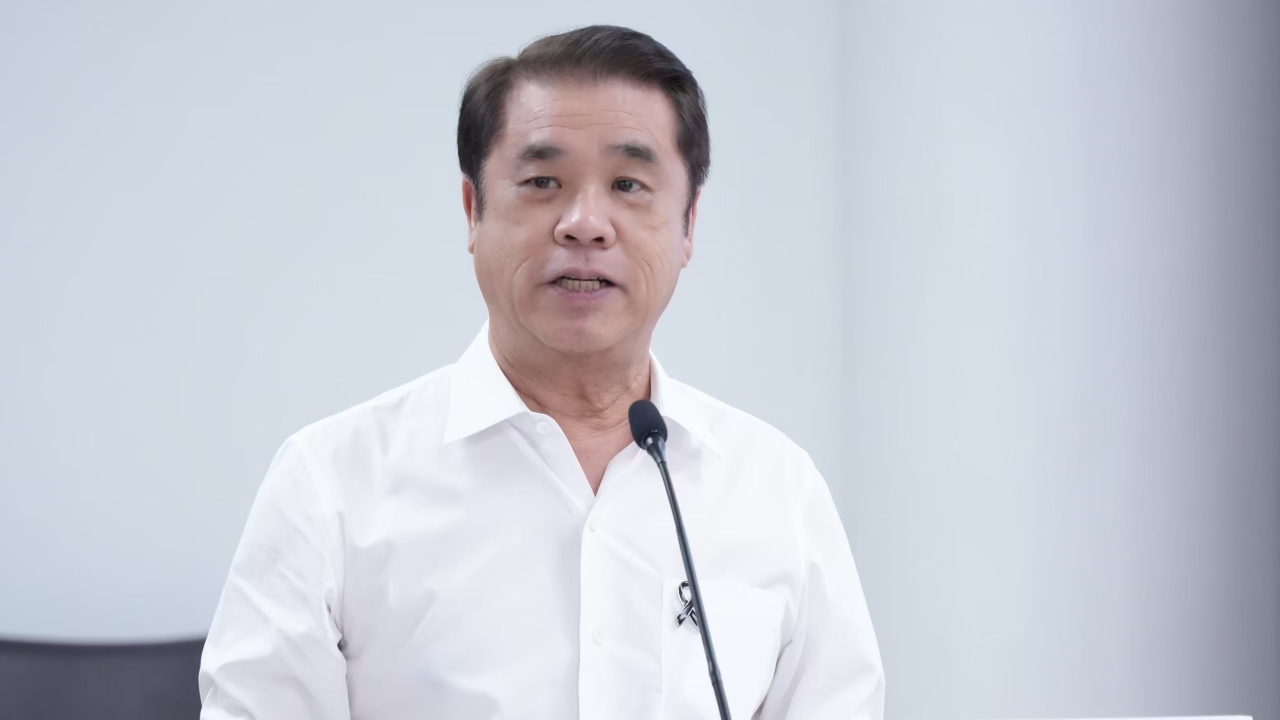
On 16 Oct 2026 GMT+7, Mr. Suriya Jungrungreangkit, Minister of Agriculture and Cooperatives, spoke on the "News Committee Off-Screen" program to clarify the claim that electric tractors cost 16 million baht each. He stated he never said an EV tractor costs 16 million baht. Possibly, he did not fully explain, leading to the misunderstanding that the ministry had an 8 billion baht budget to buy 500 tractors. This caused people to divide 8 billion by 500, concluding 16 million baht per tractor. He clarified the figure of about 500 refers to community rice centers or service points, not tractors. Each center has several electric tractors to serve local farmers, so the total number of tractors exceeds 2,000. Besides electric tractors capable of multiple agricultural tasks such as plowing, tilling, preparing land, towing, and attaching various implements for farmers, each center also includes rice dryers, solar rooftops, solar water pumps, and other farmer-needed equipment, which are still under study.
Srawut said he himself could not accept a price of 16 million baht per tractor.
Mr. Srawut Nuengjamnong, Secretary to the Minister of Agriculture and Cooperatives, addressed the issue of purchasing electric rice harvesters and tractors. He stated that the claim of 16 million baht per unit is not true, as that price is excessively high. There may have been communication errors during the initial explanation. He confirmed that any budget requests by government agencies undergo multiple reviews to ensure prices align with market standards. He believes the price should not exceed 1-2 million baht per unit. This project originates purely from the Department of Rice's good intentions, aware of farmers' hardships, especially due to the global war causing energy, fuel, and fertilizer prices to soar, making life very difficult. Changes are necessary, such as with tractors. If the price were really 16 million baht each, he would also reject it. However, this was a miscommunication under time constraints. He suggests that explanations should be given step-by-step, and he welcomes all concerns expressed on social media and other media, accepting the recommendations and worries raised.

He emphasized the need to successfully transition energy sources.
Mr. Srawut said if this project succeeds, it will greatly benefit farmers by covering the entire rice production cycle. They will have drying machines to reduce moisture and dry rice, empowering farmers to negotiate longer delivery times to mills or better market distribution. Simply by drying moisture themselves, farmers could sell rice to mills without losing over 2,000 baht per ton due to moisture deductions—this is even better than general compensation programs currently demanded by farmers. This exemplifies the direction the Ministry of Agriculture under the current government is heading. He believes further advances will follow, such as reducing crop burning. These electric tractors can be equipped with machines to shred rice stubble and turn it into fertilizer without requiring biological decomposition or microbial agents. Additionally, he believes energy transition is essential because long-term oil supplies will run out—not necessarily physically, but prolonged wars will push oil deeper underground, making extraction costly and unfeasible. If oil reaches 100 baht per liter, people will have no alternatives. Thailand, as a major rice and water source, is well suited for this transition. If not started now, when else? Eventually, these technologies must be integrated throughout the entire food production supply chain, with rice being the largest market. This must happen not only under this government but any government with genuine concern for the people, especially farmers.