

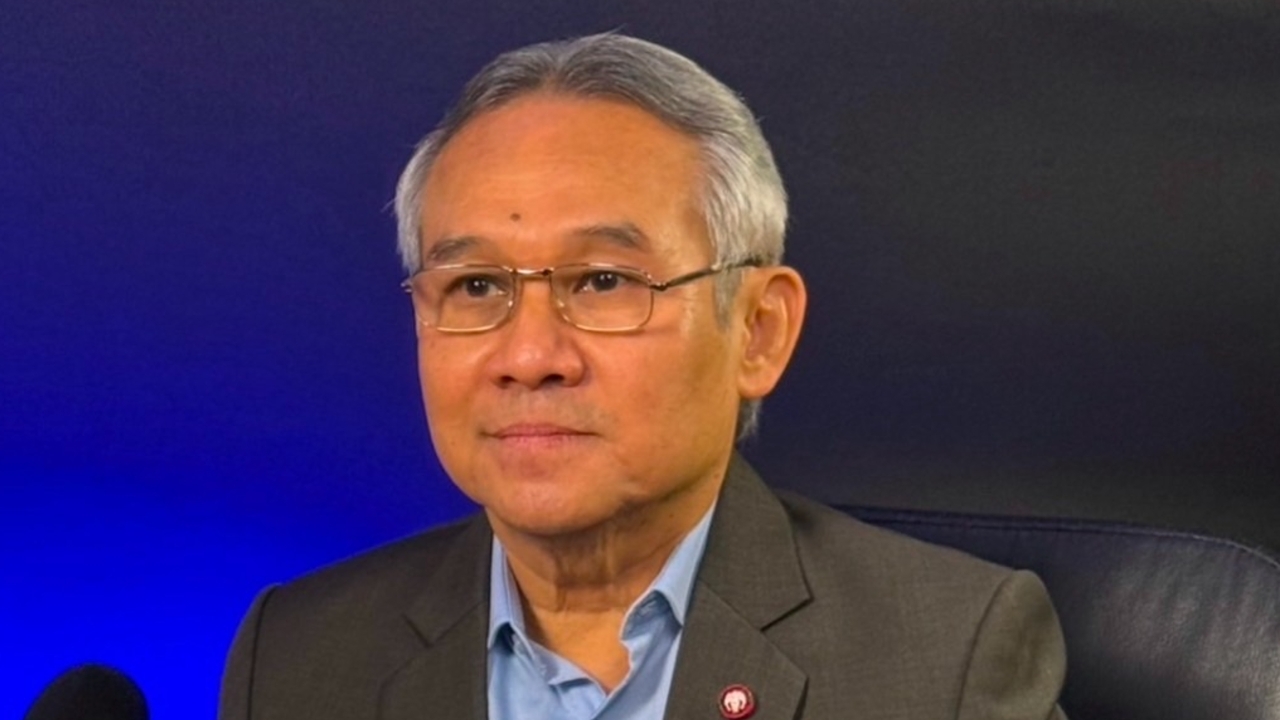
Suradech expresses concern that Thailand's GDP growth is only 2.1% and proposes six urgent recommendations for the government: upgrading labor quality, increasing taxes on foreign workers, improving product quality, enhancing citizens' technological skills, supporting SMEs, and cracking down on corruption and shadow capital.
On 16 October 2026, Mr. Suradech Yasawat, former senator and former deputy leader of the Palang Pracharath Party, commented on the International Monetary Fund's (IMF) forecast for ASEAN GDP growth in 2026, noting Thailand's rate at 2.1%, ranking third from the bottom in ASEAN. He said Thailand's lower GDP growth compared to other ASEAN countries is very worrisome. He warned that further borrowing would worsen the problem, as he had previously expressed concern that Thailand's public debt is nearing its ceiling. The World Bank joined the IMF-World Bank 2026 meeting to caution Thailand that it must find ways to increase GDP growth from 2.1% to at least 4-5%, essentially doubling it.
Mr. Suradech proposed solutions to Thailand's economic problems as follows: 1. Upgrade Thai labor quality by enhancing skills to produce skilled workers for overseas employment, aiming to maximize the number of such workers, since remittances will return to the country. 2. Increase income tax specifically on foreign workers in Thailand, who currently number many both legally and illegally. These workers tend to send earnings back to their home countries, so the government should collect taxes from this income to increase national revenue, which also helps reduce the number of foreign workers by replacing them with Thai workers capable of similar jobs. 3. Improve the quality of agricultural and processed goods to enhance competitiveness internationally, especially by upgrading agricultural products into value-added processed goods with a focus on quality. Success here could significantly raise GDP. 4. Develop citizens' skills in technologies such as AI, Big Data, Blockchain, drones, and robotics. The government must urgently ensure the entire population learns these technologies to remain competitive globally.
Mr. Suradech added: 5. Support small entrepreneurs by easing access to funding and eliminating monopolies held by large businesses. The SME market in Thailand must be supported so that capable Thai people can access funding more easily. Currently, some have skills but lack capital, forcing them to work for wages with limited income. Enabling them to start their own businesses would improve the overall economy. The government should consider providing loans after proper project evaluations, possibly without collateral but with guarantors. At the same time, laws should be amended to reduce monopolistic enterprises that block opportunities for smaller entrepreneurs. This effort is urgent since Thailand's GDP is near the bottom in ASEAN. And 6. Eliminate corruption, shadow businesses, and strictly enforce laws.
Mr. Suradech also spoke about IMF Managing Director Kristalina Georgieva's advice that Thailand and ASEAN countries should accelerate economic growth and increase intra-ASEAN trade. He said that if trade occurs within the region, Thailand would have an advantage by upgrading its products to premium quality. Thailand is renowned worldwide for its food, known for delicious taste and nutritional value, and enjoys popularity. Improving quality further would benefit the country and support farmers as well.