

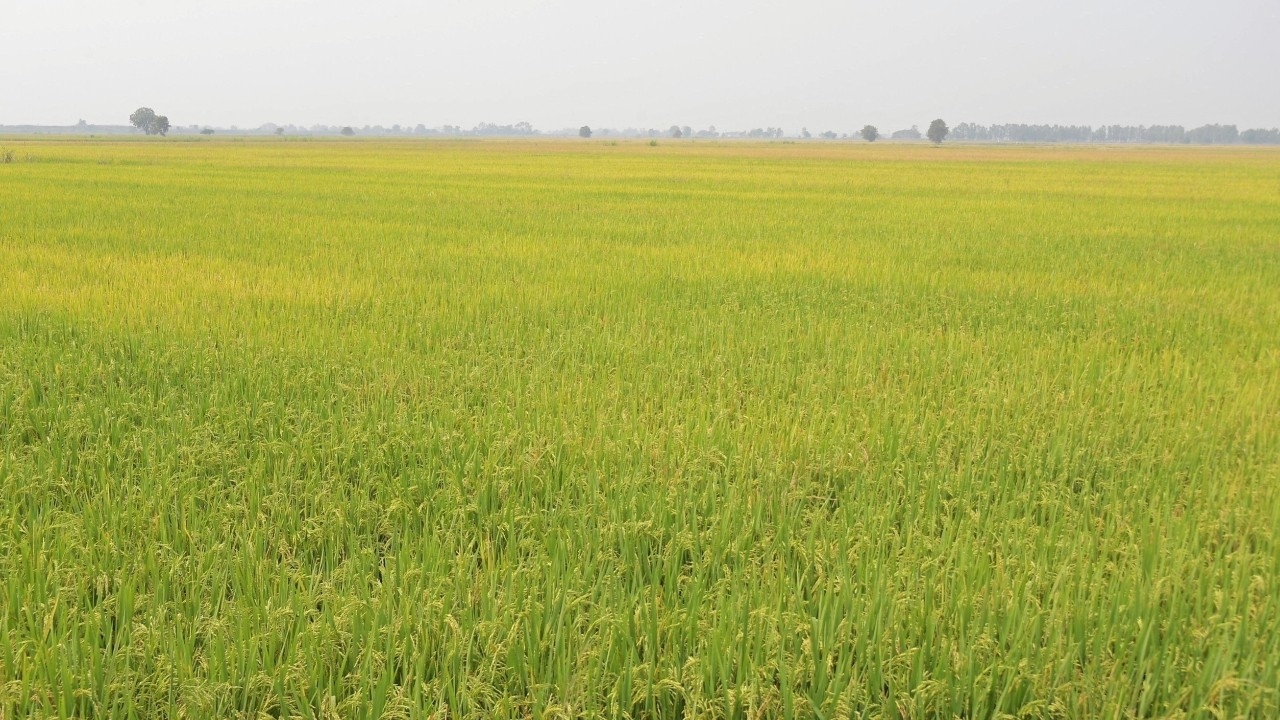
The government is accelerating efforts to support prices for the 2026/27 main rice crop by proposing measures totaling over 58.9 billion baht to delay rice sales, support cooperative purchases, and promote high-quality rice to increase farmers' income. Tags: [rice prices, government support, agriculture, farmers, Thailand]
On 20 October 2026 GMT+7, Ms. Lalida Perdivattana, Deputy Spokesperson of the Office of the Prime Minister, stated that the government prioritizes stabilizing rice prices and protecting farmers' income. The Ministry of Commerce, under the supervision of Deputy Prime Minister Mrs. Supachai Sutthumpan, has proposed to the Cabinet measures to stabilize the price of paddy rice for the 2026/27 production year. These are combined with production restructuring under the "New Rice Economy" concept, totaling five projects with a budget framework of 58,912.64 million baht—comprising 49,275 million baht in credit and 9,637.64 million baht in compensation funds. This is to accommodate the large volumes of rice entering the market during October–November and to reduce downward pressure on paddy prices.Tags: [government policy, rice market, Ministry of Commerce, price stabilization, Thailand]
Ms. Lalida explained the key measures include a credit scheme to delay the sale of paddy rice with a budget of 40,928.39 million baht targeting 3 million tons. This allows farmers to hold rice and sell it later at more favorable prices. Credit limits are set by rice type: jasmine rice 13,000 baht per ton; off-area jasmine rice 11,500 baht per ton; white rice 6,500 baht per ton; Pathum Thani rice 8,500 baht per ton; and glutinous rice 9,500 baht per ton. The scheme also supports storage and quality maintenance costs under project conditions, with the government covering interest payments on behalf of participating farmers and agricultural institutions.Tags: [rice credit scheme, farmer support, rice types, price management]
Additionally, a credit scheme worth 15,656.25 million baht is proposed to support agricultural institutions in rice collection and value addition. This supports cooperatives and farmer groups to collect 1.5 million tons of paddy rice for sale or processing to increase value. Agricultural institutions bear only 1% annual interest, while the government compensates 3.5% per year. This measure aims to enhance liquidity and strengthen bargaining power in marketing their products.Tags: [agricultural cooperatives, rice collection, value addition, credit support]
Furthermore, there is a 564 million baht interest compensation scheme for rice traders to stockpile rice, targeting 4 million tons, to absorb the large market supply. Also, a 1,680 million baht paddy absorption project aiming at 3 million tons is proposed to support purchasing rice at market-leading prices under project conditions. Lastly, a 84 million baht project promoting high-quality or "Premium Rice Phase 2" supports 266 farmer groups with 300,000 baht each to develop production, processing, and sales channels, increasing opportunities for income from premium rice.Tags: [rice stockpiling, interest compensation, high-quality rice, farmer groups]
Ms. Lalida added that the Ministry of Finance is reviewing a reduction in the compensation budget for the credit scheme to delay paddy sales to align with expected actual costs and budget constraints. The paddy absorption project still requires approval for funding sources. The Secretariat of the Cabinet has proposed prioritizing funds from the Agricultural Assistance Fund and starting the project once the Fund Management Committee approves.Tags: [budget adjustment, project approval, government funding, agricultural assistance]
"The government aims to prevent farmers from having to rush to sell rice when the harvest floods the market simultaneously. It also seeks to increase purchase channels and support processing of high-quality rice to give farmers opportunities to sell at fair prices. This measure is not merely a short-term price support but also focuses on production restructuring, increasing Thai rice value, and ensuring sustainable income for farmers in the long term," Ms. Lalida concluded.Tags: [long-term strategy, farmer income, rice value, government support]