

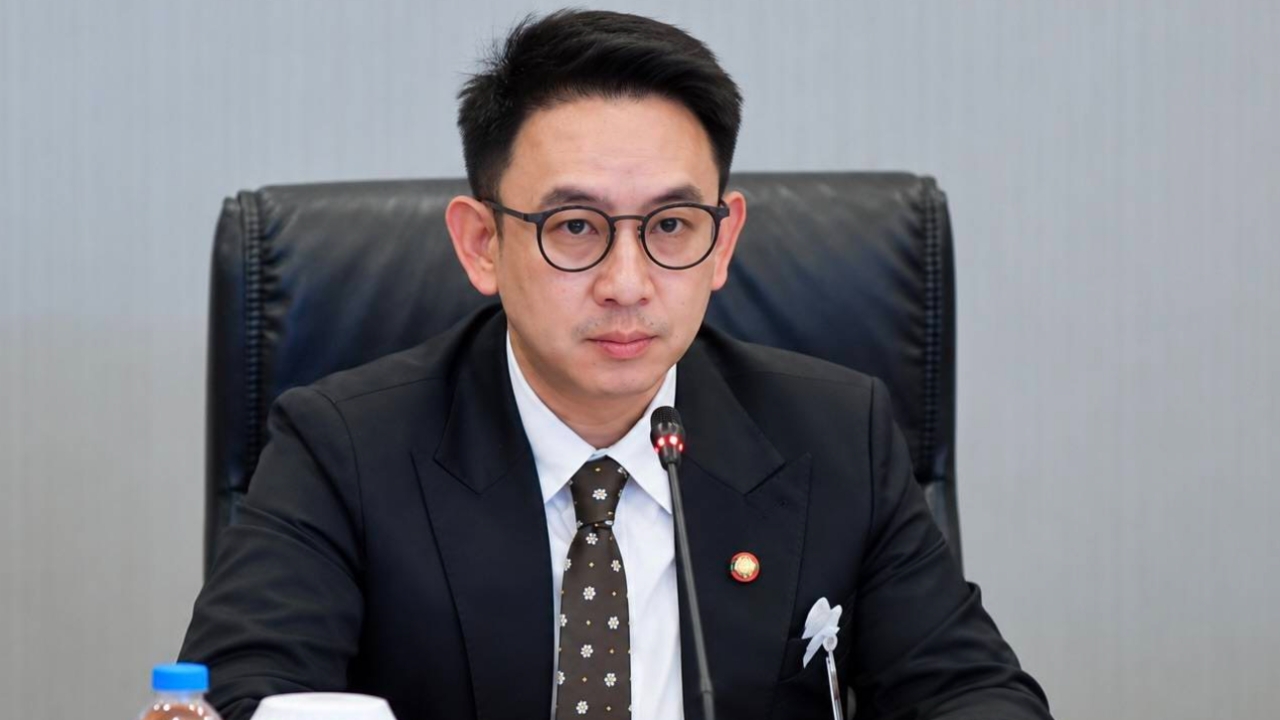
Deputy Interior Minister Warasit chaired a meeting of the fact-finding and legal committee on the budget disbursement for flood recovery in Hatyai, setting two core principles: avoiding bureaucratic rigidity and preventing corruption loopholes. He ordered local governments nationwide to extract lessons learned.
At 10:50 a.m. on 21 Oct 2026 at Government House, Deputy Interior Minister Warasit Liangprasit briefed after chairing the second 2026 meeting of the fact-finding and legal committee on the use of central emergency reserve funds for the post-flood recovery project in Hatyai district and surrounding areas. He noted several observations, especially regarding control over reported waste volume removed from the area, which raised significant concerns. The committee must verify whether contract reports align with procurement documents. All findings will be submitted to the Prime Minister within a 45-day deadline. The Public Sector Anti-Corruption Commission understands the emergency context, recognizing that excessive regulations could hinder public officials’ relief efforts. They also plan to zone areas by emergency status to align actions with existing regulations.

When asked if previous issues caused by bureaucratic rules would no longer occur, Warasit said, besides fact-finding and reporting to the Prime Minister, the committee proposed guidelines for future emergencies on how government agencies should assist citizens without causing obstacles or opening loopholes for officials to evade proper conduct or commit corruption. These two principles are foundational. Additionally, suggestions were made for agencies including the Public Sector Anti-Corruption Commission, Comptroller General's Department, and Department of Local Administration. The Department of Local Administration was ordered to compile factual data and notable case studies and consult with local governments nationwide on procedures to ensure correct processes and that citizens receive assistance conveniently and promptly.
