

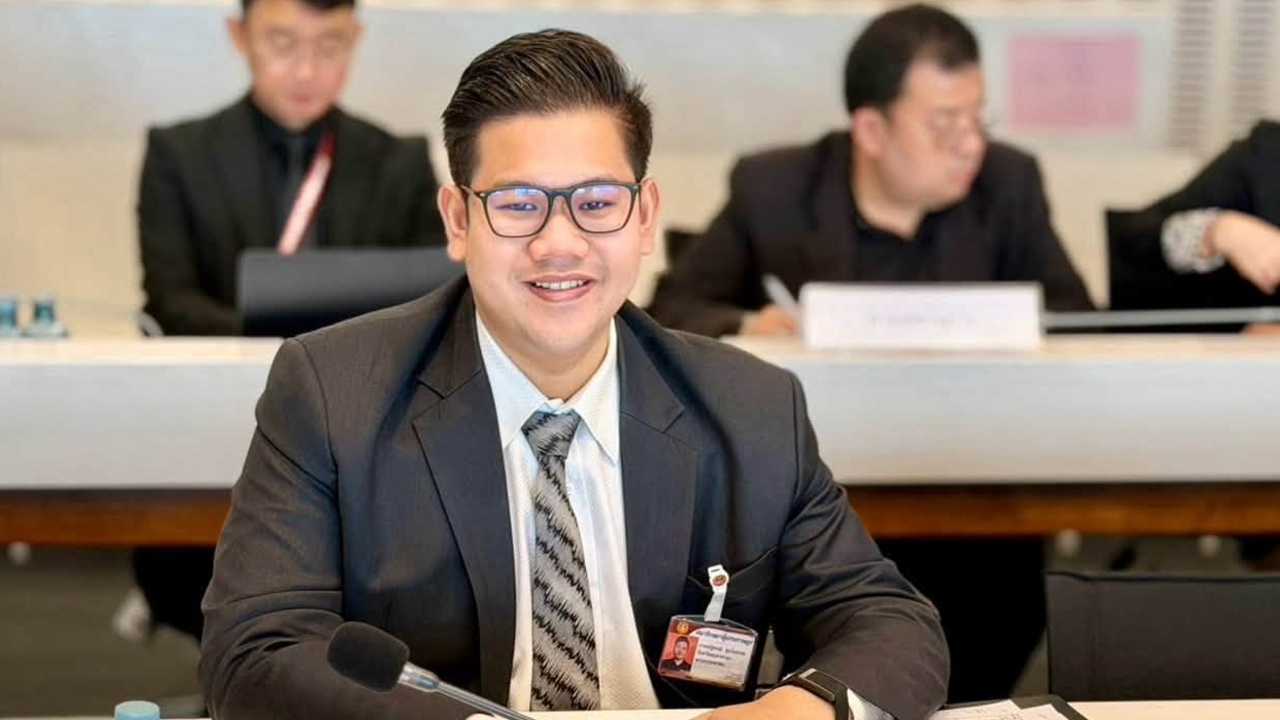
Nattapong Sumonotham, MP from Samut Sakhon representing the People’s Party, revealed that the chair of the three-party whip committee threatened and acted petulantly, saying that if talks failed, there was no need to continue, and he would simply close the meeting after the opposition proposed early November for the censure debate. He explained that time was needed to consult with other parties and affirmed they had tried to find a solution before walking out.
On 23 October 2026, Nattapong Sumonotham, MP for Samut Sakhon from the People’s Party and coordinator for the opposition whip committee in the House of Representatives, posted on Facebook that as a member of the coordination group and the three-party whip committee, he had participated in negotiations for two days. He emphasized it wasn’t that the opposition refused to negotiate but that the opposition requested five days, or 60 hours, if the debate was next week. Otherwise, they would have to reduce participants and debating time, which wouldn’t be enough because preparations were based on that timeframe. They needed time to renegotiate within their party, review information, and also discuss with coalition parties.
Nattapong added that if the debate was scheduled for a week other than next week, they were willing to reduce to four days, which would still allow time for internal party discussions and talks with other coalition parties. Managing this would take about a week. Therefore, either early November or the second week of November was requested. However, the Cabinet insisted no time was available. They asked if December was possible, but the answer remained no.
He further explained that on the first negotiation day, he asked if five days next week was not possible because the Cabinet was unavailable, then which week would work for five days to proceed to the next question about possibly reducing to four days if not next week, since they needed time to reorganize. But before he could finish, the chair suddenly interrupted.
“The chair said, ‘Stop whining.’ I did not want to spoil the negotiation atmosphere and did not respond, but it was clear the chair was not neutral. Moreover, he threatened that if talks failed, there was no need to continue and threatened to close the meeting immediately. This was harsh and unexpected behavior for the chair of the coordination committee toward political and faction representatives. This should have been a negotiation to find solutions with mutual respect, as we are members of the legislature with dignity and honor,” Nattapong stated.
Nattapong also pointed out that this matter belonged to the parliament and should have been agreed upon first, but time had already passed. The first meeting was only scheduled on 21 October, and it opened with a letter from the Cabinet Secretariat setting dates for 27–29 October 2026, without prior agreement. So, should the parliament just accept the Cabinet’s dates? The matter required parliamentary consensus beforehand.
“On the second day, the proposal still made no progress. The chair repeated his previous position, threatening that if talks failed, there was no need to continue. The opposition saw this was not promising. After some discussion with no progress, the chair said there was no need to continue. We reviewed our proposals and tried to find a solution, but when that failed, we walked out of the meeting. I must stress that we tried to find solutions before walking out,” Nattapong said.
Nattapong concluded by attaching the letter from the Cabinet Secretariat that was displayed on the screen before negotiations began.