

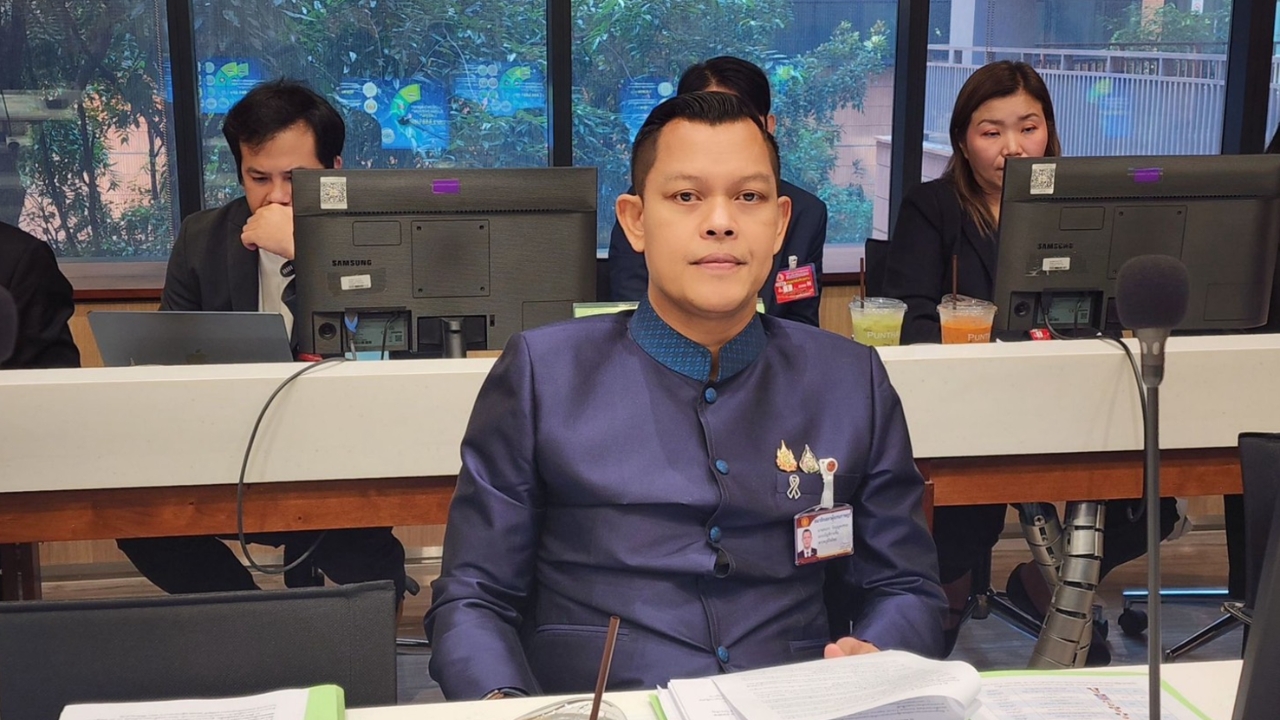
Thanakorn invites the public to register for solar cell installation starting 27 October 2026. The government will provide 50,000 baht support per household, paying contractors or certified installers directly after installation and inspection.
On 24 October 2026, Thanakorn Wangboonkongchana, party-list MP from Bhumjaithai Party and former Minister of Industry, spoke about the public solar cell installation project. He said the government will open registration from 27 October 2026 to help 1 million households nationwide, funded by the 200 billion baht energy transition portion of the emergency loan decree. The government will support 50,000 baht per household, paying certified contractors directly after installation and inspection. This aims to reduce electricity bills for citizens, promote clean energy transition, and create additional income from selling surplus electricity.
Regarding installation conditions and selling surplus electricity, Thanakorn said people can choose from three installation types: rooftop, ground-level, and floating platforms. Systems can have a maximum output of 10 kilowatts. The government will buy excess electricity back into the grid up to 5 kilowatts at a rate of 2.20 baht per unit, according to the National Energy Policy Council's resolution. This is expected to generate an extra income of 700 to 1,000 baht per month for citizens.
"The public solar cell installation project is a key government achievement under Prime Minister Anutin Charnvirakul's leadership. Previously, projects like Thai Helps Thai Plus, disaster insurance, drug suppression, and nominee crackdowns received strong public support. I invite citizens to register from 27 October and assure them the government will conduct the project carefully and rigorously, with clear, verifiable procedures to build public trust and maximize national benefits," Thanakorn said.
/
When asked about the opposition's insistence on five days for the no-confidence debate, Thanakorn said the government has agreed to extend it to four days, from 26–29 or 27–30 October 2026, allocating 45–48 hours for the opposition's debate. He noted that during former Prime Minister Prayut Chan-o-cha's tenure, the opposition had 40–42 hours, so this is even more time. He criticized the opposition for being difficult about the number of days despite having sufficient hours. He said if the opposition's information is valid, the allocated hours are enough to perform their duties honorably, better than debating many days without substance. He urged the opposition to step back since four days of debate should be sufficient given the hours provided.