

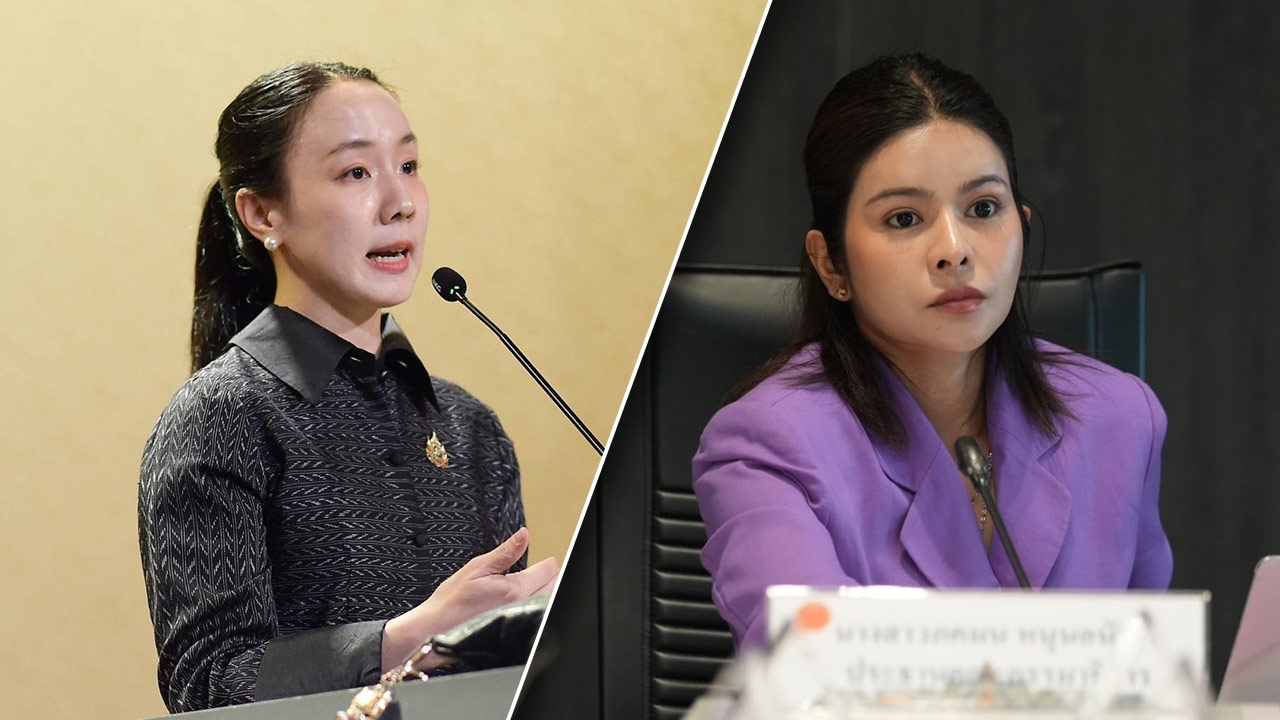
Deputy Government Spokesperson Lalida refuted Pakamon's criticism concerning the no-confidence debate, pointing out that failure to agree on scheduling does not mean the government fears scrutiny. She emphasized that all 18 ministers are prepared to explain, countering claims about selecting the date of 27 October based on auspicious timing and urging disclosure if evidence exists.
On 24 October 2026, Ms. Lalida Pertvivattana, Deputy Spokesperson for the Prime Minister's Office, responded to criticism by Ms. Pakamon Noon-Anan, a Member of Parliament from the Prachachon Party, regarding the government’s setting of dates and time frames for the no-confidence debate. She said the government respects the opposition’s right to scrutinize and is fully ready to explain to Parliament and the public. However, differing views on scheduling do not mean the government is avoiding or afraid of the debate.
Ms. Lalida said the Prime Minister had already clarified that ministers involved in the debate have adjusted their duties to prepare for next week. The Cabinet meeting was also moved to Monday morning to allow more time for parliamentary debate. These facts should be considered, rather than concluding from unresolved scheduling differences that the government is unprepared for scrutiny.
“If the government feared the debate, it would not have ministers—18 in total—preparing information and adjusting their duties to undergo scrutiny. The ongoing disagreement over timing does not mean the government fears the no-confidence debate, because scheduling requires mutual discussion. One side cannot simply propose a time and expect the other to accept it, or they risk being accused of lacking spirit,” Ms. Lalida said.
The Deputy Spokesperson added that while parliamentary time is for overseeing the executive, it cannot be unilaterally set by one side. The opposition has the right to propose a five-day framework to debate the 18 ministers, while the government’s role is to explain limitations and negotiate to reach a conclusion. The actual hours of debate should be considered alongside the number of days, to allow the opposition time to ask questions and the government time to respond fully.
Regarding allegations that the government chose 27 October due to auspicious timing or consulting fortune tellers, Ms. Lalida said that if there is supporting evidence, it should be presented publicly for verification. If it is merely speculation, it should not be used as an accusation that causes misunderstanding.
“The opposition demands factual answers from the government; the government asks the opposition to apply the same standard. If they accuse the government of picking the debate date based on auspicious timing, they should provide evidence. Jabs may add political color but do not strengthen the claim or help the public get the answers they seek,” she said.
Ms. Lalida concluded that the government is ready to negotiate promptly to reach an agreement and is prepared for all ministers facing the debate to explain openly in Parliament. She believes the no-confidence debate should be a forum to scrutinize policies, administration, and outcomes affecting the people, rather than a contest over accusations of who fears scrutiny.
“Political spirit is not measured by accusations of who fears scrutiny but by the readiness to make oversight truly happen. The government is ready to answer questions, and the opposition should prepare complete allegations and evidence. Ultimately, the public wants to hear quality questions and clear answers, not just arguments over the number of days or auspicious timing,” Ms. Lalida said.