

The government plans to propose to the Cabinet tomorrow support for installing solar panels with a subsidy of 50,000 baht per household for 1 million beneficiaries. Deputy Prime Minister Ekniti is pushing for self-generation of electricity and selling surplus power back to the electricity authority, along with low-interest loans.
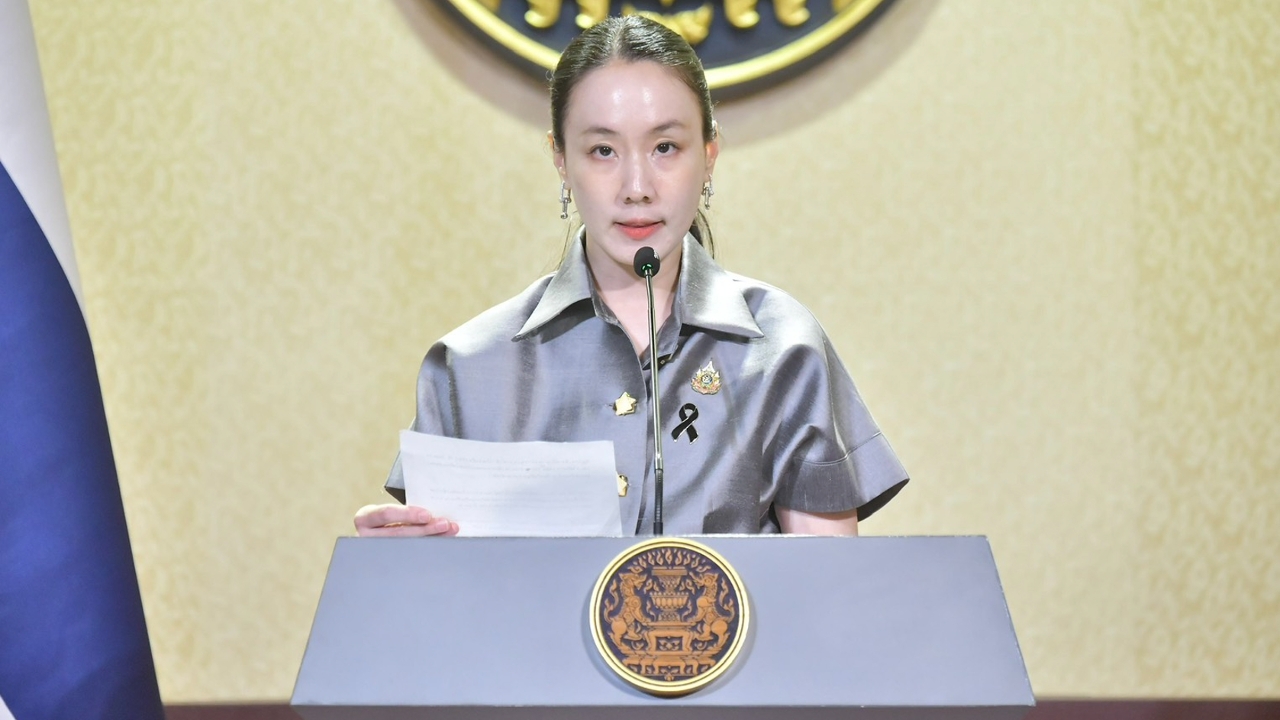
On 26 Oct 2026, Ms. Lalida Pertwittayathana, Deputy Spokesperson of the Prime Minister's Office, revealed that the government is advancing measures to promote clean energy use in households to reduce citizens' electricity costs and dependence on imported energy. Deputy Prime Minister and Finance Minister Ekniti Nitithanprapas stated that the Ministry of Interior will propose a project to promote solar panel installation for the public at the Cabinet meeting tomorrow (27 Oct 2026), after approval from the Ministry of Finance screening committee. The plan includes supporting installation costs of 50,000 baht per household for 1 million rights, enabling people to generate their own electricity, reduce energy expenses, and potentially earn income by selling surplus power back into the grid.
Ms. Lalida said the project supports installing solar panels on rooftops, ground, and floating solar panels on water bodies to allow households with structural roof limitations to participate. Citizens can use the electricity they generate and sell surplus power back to the electricity authority under regulations to be determined.
To facilitate citizens, the Metropolitan Electricity Authority (MEA) and Provincial Electricity Authority (PEA) will act as One Stop Service centers to handle installation steps, grid connection, and related procedures. Registration plans will be announced after the Cabinet proposal. Official details will await formal approval and announcement.
Ms. Lalida added that for those who can invest upfront, the government will subsidize 50,000 baht per household installation cost. For those without lump sums, coordination is underway with three state banks—the Government Savings Bank, Government Housing Bank, and Bank for Agriculture and Agricultural Cooperatives—to provide low-interest loans. Loan repayments can be made from income earned by selling surplus electricity, increasing access to solar panel installation.
Meanwhile, the screening committee approved supporting loans for MEA and PEA to upgrade electric meters to smart meters to accommodate purchasing surplus household electricity. Additionally, a project to upgrade the power grid and transmission lines proposed by the Electricity Generating Authority of Thailand (EGAT) is under consideration to support long-term clean energy expansion.
The Deputy Spokesperson said Ekniti also mentioned tax measures by the Revenue Department allowing individuals to deduct actual expenses for purchasing and installing rooftop solar panels from taxable income, up to 200,000 baht, under specified conditions. This is separate from the 50,000 baht installation subsidy. Joint use of these benefits must comply with conditions set by related agencies.
Ekniti also plans to consider adjusting excise tax structure on oil to promote use of E20 gasohol and B20 biodiesel by creating price incentives. This aims to reduce reliance on imported energy and increase income opportunities for farmers growing sugarcane, cassava, and oil palm, key raw materials for renewable energy production. Proposals for additional loans from the Oil Fuel Fund require further discussion with the Ministry of Energy, considering government costs and long-term public benefits.
“The government wants citizens to have options to reduce electricity bills and access more clean energy. Supporting installation costs with low-interest loans and allowing sale of surplus electricity back to the grid will reduce expenses and increase income opportunities for households. At the same time, this reduces the country's reliance on imported energy and supports sustainable clean energy transition,” Ms. Lalida said. .
The Deputy Spokesperson concluded that the project to subsidize 50,000 baht per household for solar panel installation for 1 million rights is still being prepared for Cabinet submission on 27 Oct 2026. It has not yet been approved or officially opened for registration. The government will explain detailed criteria, eligibility, registration channels, loan conditions, and surplus electricity sale once clear decisions are made, to ensure proper and widespread access to the measures.