

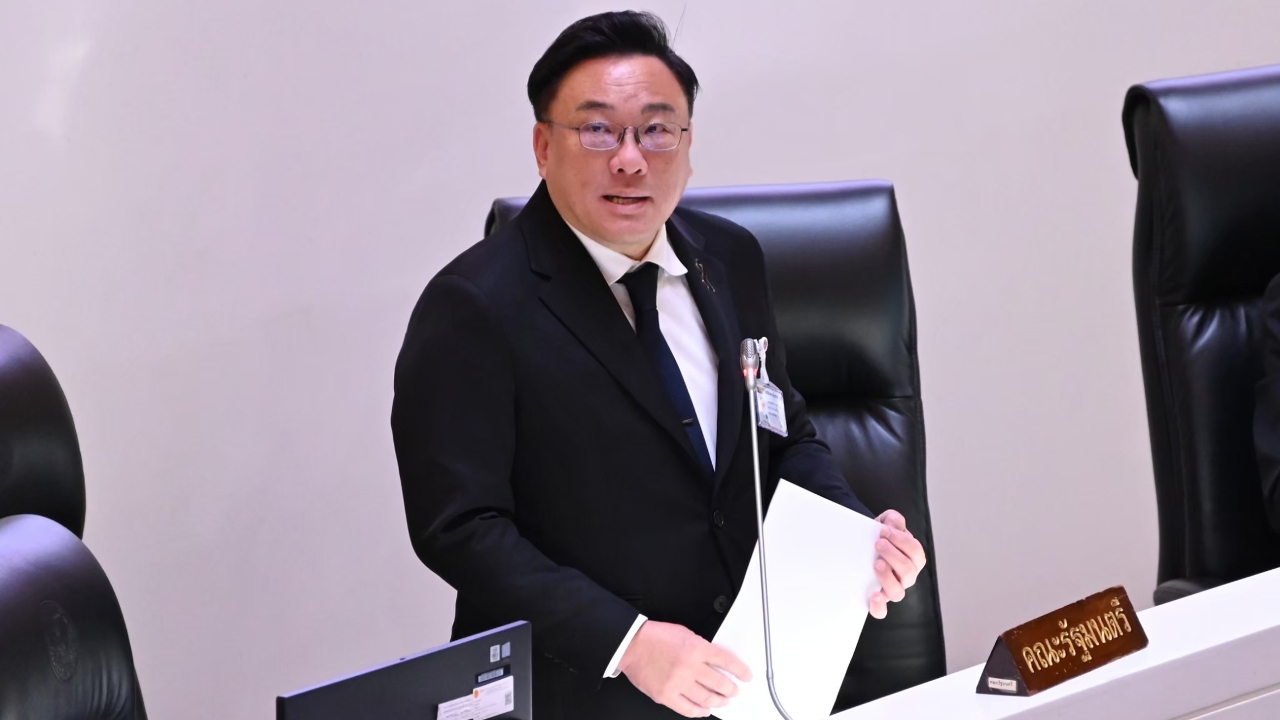
The Minister of Labor responded to a senator's inquiry, setting a 2-3 year target to push for Thailand's ratification of ILO Conventions 87 and 98, affirming that the Office of the Council of State does not obstruct the process and that draft legislation is being expedited for parliamentary submission.
On 26 Oct 2026 GMT+7, Mr. Julpan Amornwiwat, Minister of Labor, responded to a question from Senator Thewarit Maneechai regarding the progress and details of the process to ratify International Labour Organization (ILO) Conventions No. 87 on freedom of association and No. 98 on the right to organize and collective bargaining. He set a goal to complete ratification within 2-3 years to elevate labor rights standards and gain global recognition.
Mr. Julpan stated that demands to ratify ILO Conventions 87 and 98 have come from labor movements for over 30 years. Thailand is a founding member of the ILO and has already ratified eight core conventions, lacking only these two. Delays have stemmed from Thailand's dual role as both a labor-receiving and labor-sending country, unlike countries that send labor only and face fewer obstacles. This has raised security concerns over freedom of association and union formation, leading previous governments to proceed cautiously. Nonetheless, the Ministry of Labor is not obstructed and has established an internal working group to integrate and build mutual understanding with security and related agencies comprehensively.
Furthermore, Mr. Julpan highlighted the importance of ratifying these two conventions for international negotiations, including preparations for accession to the Organisation for Economic Co-operation and Development (OECD) and trade talks with various countries, including the United States, which have proposed that Thailand enhance labor protection standards consistent with Conventions 87 and 98.
Mr. Julpan emphasized that he has discussed this matter with Prime Minister Anutin Charnvirakul, and both agree that despite some precautions, the overall benefits outweigh the risks. These benefits include enhancing the country’s international image and reducing the likelihood that labor issues will be used as pretexts to impose tariffs or trade barriers.
Addressing past observations from the Office of the Council of State, the Minister of Labor clarified that the Council does not oppose the conventions themselves but raised procedural concerns. They advised that parliamentary approval under Section 178 of the Constitution should occur concurrently with the submission of related draft legislation, not seeking ratification before domestic laws are in place. The Ministry has already prepared relevant draft laws and, once internal discussions and societal consensus are reached, is ready to submit the matter to the Cabinet and Parliament promptly.
Regarding security concerns, legal provisions have been carefully designed to genuinely protect the right to organize and form labor unions, while including mechanisms to prevent labor processes from being exploited for political activities that could threaten national security.