

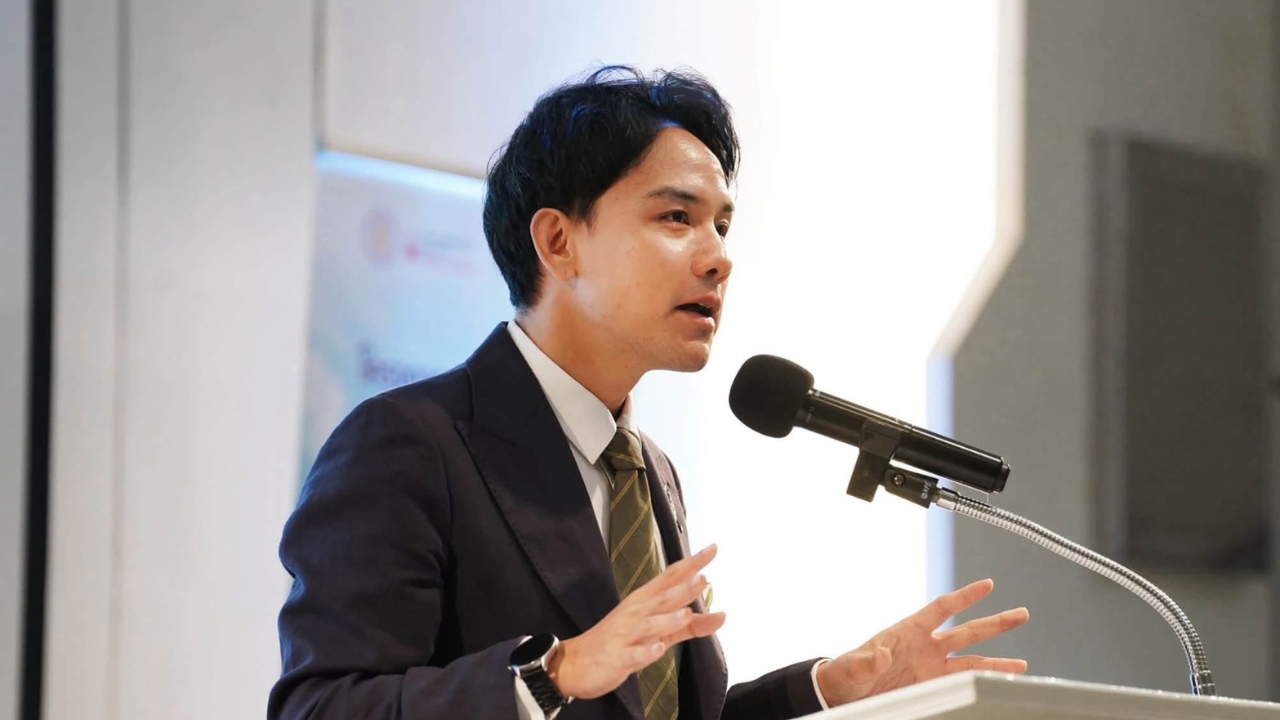
Pongpol, spokesperson for the Ministry of Energy, pointed out that a blanket excise tax cut is not a magic cure but supports focusing on biofuels B20 and E20 to directly help Thai people without leaving debt for future generations.
On 27 Oct 2026, Mr. Pongpol Yodmuangcharoen, Ministry of Energy spokesperson, explained that while the opposition calls for a blanket excise tax cut on fuel, the government understands the hardship caused by diesel prices at 43.54 baht per liter. However, a blanket tax cut is like a quick painkiller that leaves long-term burdens for all Thai people.
"Nobody wants to see diesel prices soar due to global prices. I also wish pump prices would drop by tomorrow morning like everyone else. But the chosen method must not cause greater harm to Thais in the future. A blanket excise tax cut is like using the country's credit card—you pay less at the pump today, but the bill will come later for all Thai people."
The Ministry of Energy spokesperson added that blanket tax cuts benefit heavy fuel users such as large businesses and multiple-vehicle owners, while people without vehicles gain no benefit but still share the burden of lost state revenue. This aligns with the International Monetary Fund (IMF) warning during this energy crisis under the principle 'Protect people, not prices,' meaning aid should be targeted rather than indiscriminate price suppression.
Between 2022 and 2023, the government reduced diesel excise tax continuously for 17 months, causing state revenue losses of about 158 billion baht—averaging nearly 2,400 baht per person. Meanwhile, the oil fund remained deeply negative at over 130 billion baht, currently about 104 billion baht in deficit, even without new excise tax cuts.
Regarding Deputy Prime Minister and Minister of Finance Aekniti Nitithanprapas’ plan to consider excise tax cuts specifically on B20 and E20 biofuels, this is seen as a precise fiscal tool.
So far, Energy Minister Aekanat Promphan has fully utilized the ministry's powers, including deducting excess profits from refineries over eight periods totaling 30 billion baht under the Emergency Decree on Oil Shortage Prevention B.E. 2516 (1973), marking a historic first.
"We may not provide the fastest pain relief, but we choose the remedy that cures completely. It may require patience, but it will not leave chronic conditions as a burden for our children."