

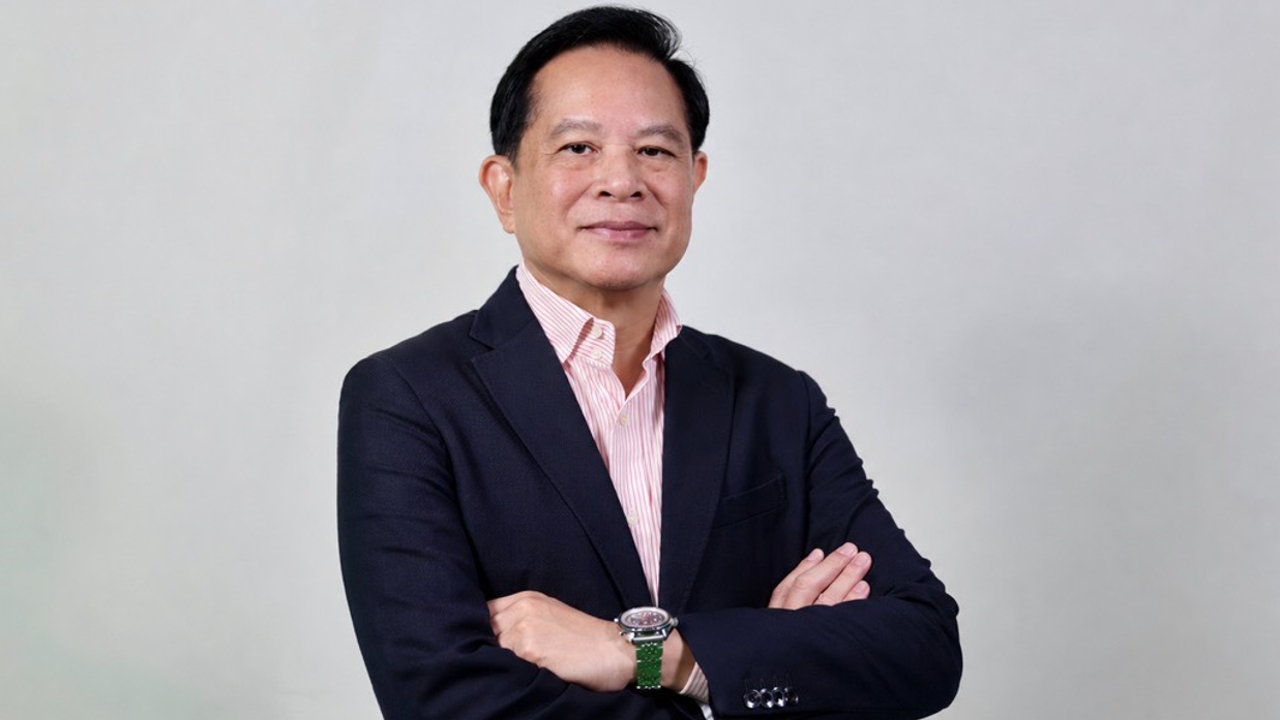
Peerapun points out that cutting excise taxes on B20 and E20 fuels does not address the root cause. He urges ending the reference to Singapore prices and suggests the government use powers under the 1973 Oil Act to disclose real oil costs. He also advises the Ministry of Commerce to use its authority to control prices and involve traders in sharing the burden.
On 27 Oct 2026 GMT+7, Peerapun Saleerutwipak, leader of the United Thai Nation Party and former Deputy Prime Minister and Energy Minister, commented on the plan to reduce excise taxes on B20 and E20 fuels by 5.50–5.60 baht per liter to ease the public's burden. He noted that while the tax cut shows the government is willing to lose some revenue to help people, it does not solve the fundamental problem as it does not restructure prices or involve operators sharing the burden. He added that if taxes are cut, assistance should be comprehensive and not limited to certain fuel types.
Peerapun explained that the price consumers pay at gas stations includes the oil component price, various taxes, fund contributions, and marketing costs. Cutting excise tax reduces state revenue, which may force the government to seek compensation from other sources. Meanwhile, the oil component price charged by operators is unaffected by the tax cut. Therefore, the government should consider the refinery gate price, a key starting point of fuel prices, alongside verifying actual costs to involve operators in helping reduce the public's burden.
He further said a major problem lies in referencing Singapore prices and the lack of legal mechanisms to regulate oil trade operations. Although the government may use powers under the 1973 Oil Crisis Prevention Act in such situations, this only addresses symptoms rather than the system-wide problem.
Peerapun emphasized that under current conditions, the government should use the 1973 Act to require operators to disclose real costs. Simultaneously, the Ministry of Commerce should consider invoking the 1999 Price of Goods and Services Act to call operators for cost explanations and price reviews. If previous cabinet resolutions hinder this, they should be repealed. He reiterated that under the existing framework, the government should involve operators in sharing the burden instead of repeatedly relying on tax cuts that mainly reduce state revenue.
"Today we should not reference Singapore fuel prices and we lack laws to control fuel prices. Tax cuts can only provide temporary relief. What should reduce people's burden now is for operators to share this cost, not the government bearing it alone. In this situation, I believe this is inappropriate. Also, if reductions are made, they should be universal, not only for two fuel types," he said. ."