

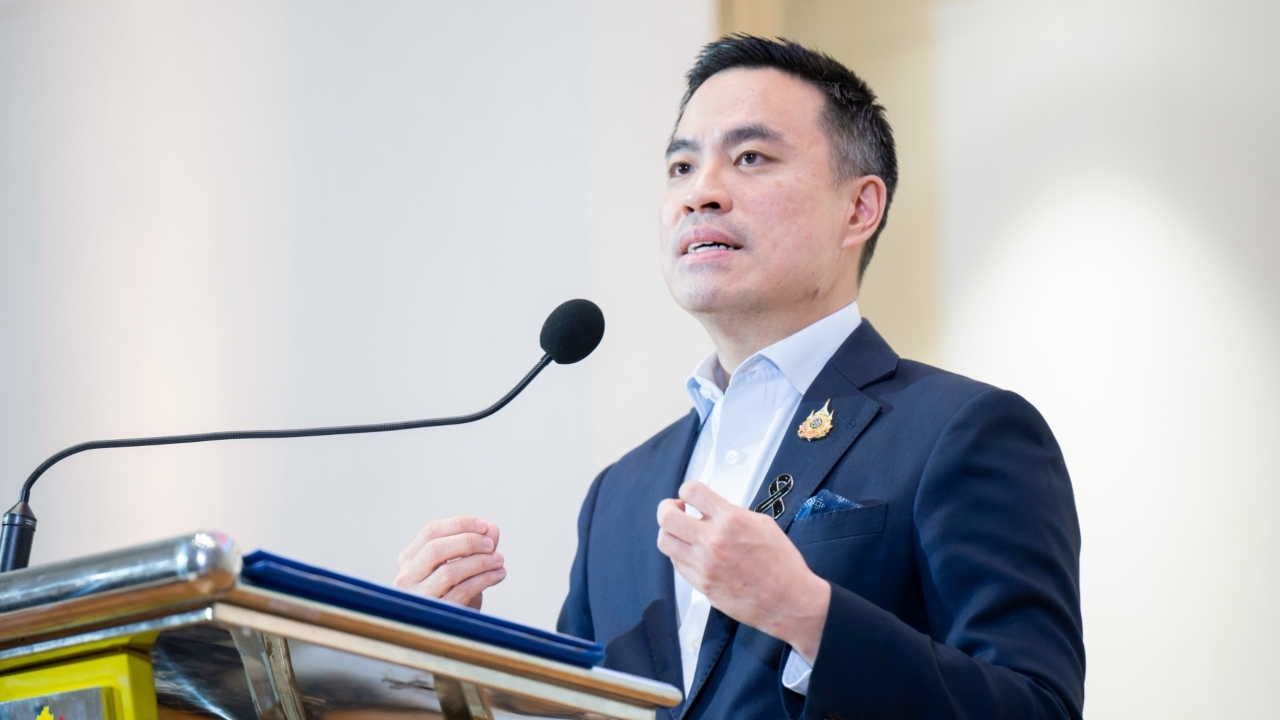
Eknat pointed out that Korn provided incorrect data on oil consumption volumes, stressing continuous efforts to restructure pricing, eliminate hidden costs, and reduce excess profits. He explained that tax reductions on B20 and E20 lessen the burden on users and support farmers producing biofuel feedstock.
On 28 October 2026, following the case that Mr. Korn Chatikavanij a party-list Member of Parliament and deputy leader of the Democrat Party, along with Democrat Party members, publicly opposed the tax reduction measures on biofuel-blended fuels B20 and E20. They argued that the consumption volumes of these two types of fuels are not significant, so the measures may not broadly reduce the public’s burden. They also called on the government to address structural issues, especially the pricing of refined oil products based on the Singapore market and the rising refining fees.
Energy Minister Eknat Phompunt posted a response to Korn onFacebookstating that the average oil consumption data for October presented was incorrect and clarified the figures, saying Diesel B7 consumption is 52 million liters per day, not 67 million liters. B20 consumption is 6 million liters per day, not 3 million. Gasohol 95 and 91 E10 combined total 23 million liters per day, and Gasohol 95 E20 is 6 million liters per day.
The Energy Minister further noted that biofuel consumption can still increase, as many vehicles can use alternative fuels interchangeably. This would boost the use of Thailand’s agricultural products such as oil palm, sugarcane, and cassava, while reducing reliance on imported crude oil.
Regarding the call to restructure oil prices, Eknat affirmed that efforts have been ongoing, especially reviewing costs of crude oil, transportation, insurance, and other expenses. These reviews calculate the average normal refining margin excess at 2.42 baht per liter, which is then used to reduce refinery gate prices periodically by 2-5 baht per liter. The latest reduction was 4 baht per liter, totaling about 30 billion baht in measures to help stabilize diesel prices and prevent excessive rises due to global markets.
Additionally, the Energy Ministry is addressing hidden costs in the oil price structure, including transportation, insurance, losses, and the so-called 'phantom reserve.' Eknat revealed these actions have been approved by the Energy Policy Administration Committee and cleared by the Office of the Council of State. An order to remove this item from the price structure is planned, expected to save over 10 billion baht annually.
Eknat emphasized that these measures are part of structural reforms aimed at fairness for the public, while tax reductions on B20 and E20 provide another method to ease energy users’ burdens and support farmers producing biofuel feedstock. The excise tax aspect is also under consideration by the Ministry of Finance for joint implementation.