

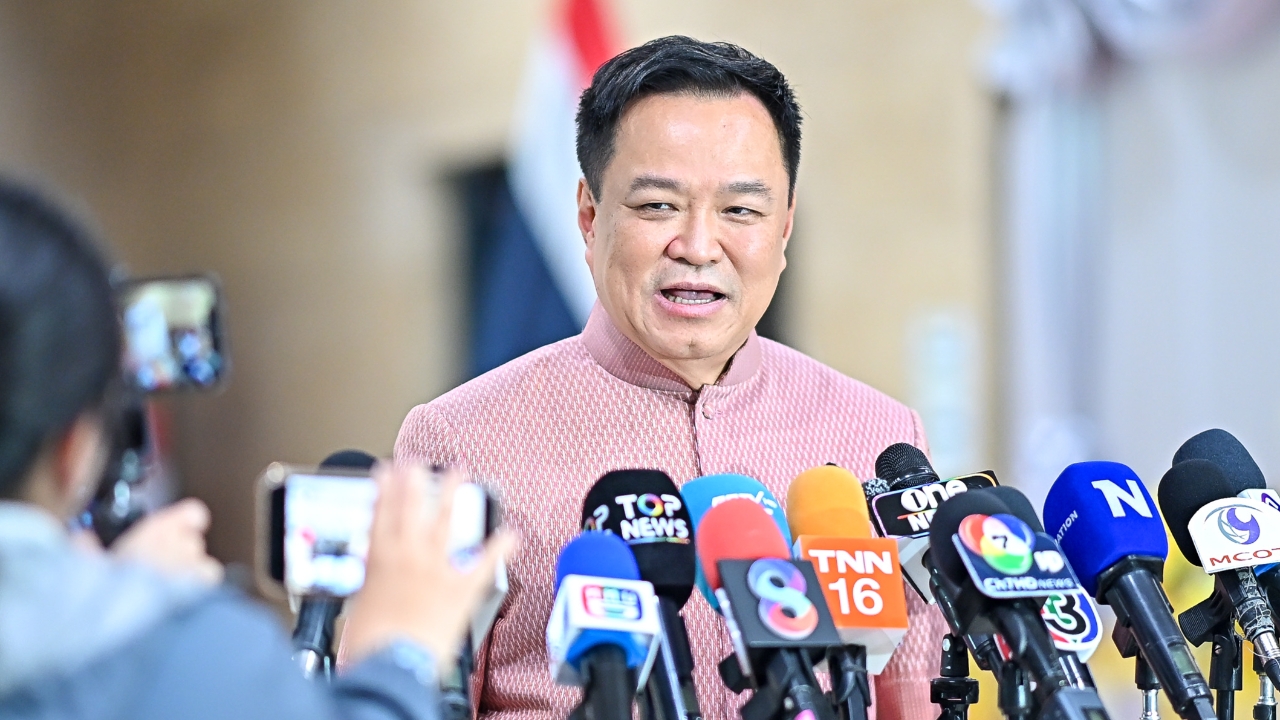
Anutin criticized Teng Nattapong on who is truly unprepared for the no-confidence debate, accusing him of self-serving speech habits and calling for greater maturity. He affirmed the right to delegate ministers to answer questions on behalf.
On 29 October 2026 at 11:45 a.m. at the Parliament, Anutin Chanvirakul, Deputy Prime Minister and Minister of Interior, addressed rumors that the opposition plans to counter the government by submitting a no-confidence motion under Section 152 of the constitution. He stated the government has no tactics, is straightforward, and ready to face the opposition’s scrutiny, responding clearly to all inquiries. He emphasized this is the opposition's right, not initiated by the government. When asked about Nattapong Ruangpanyawut, leader of the People's Party, claiming the prime minister was unprepared, causing the debate to be postponed to December, Anutin laughed and said, "Who is really unprepared?" This reflects the maturity of the opposition leader, who delegated someone to negotiate the timing but did not follow up or guide the expected outcome. Otherwise, we would now be listening to the opposition debating the no-confidence motion. Remember, when the opposition submitted the motion, the government declared readiness from 27 to 29 October and responded immediately. The side that walked out of discussions was the opposition. Reporters asked questions unfiltered, quoting anyone’s statements, but it’s clear that the opposition walked out and refused to conclude the talks. The government waited in vain; everything was changed. The 18 ministers and other cabinet members remained in the country, ready for the no-confidence debate, which did not happen. Then the opposition announced they would hold the debate, now earliest on 6 December. The government promptly informed the parliamentary president. It’s not a matter of government unreadiness.
Anutin added that the opposition leader is always like this: incomplete information, twisting facts to benefit himself and blame others. This is his nature. We perform our duties fully. Maturity requires controlling emotions, not letting anger or personal dissatisfaction affect national matters. The opposition leader holds an important position, equal in rank to me, so must show greater maturity—not just speak whatever comes to mind when seeing a microphone. The audience is the whole nation. Even as opposition, they must promote peace and understanding in ways constructive and beneficial to the country and people. When asked if he worries about politically inexperienced ministers from outside parties, Anutin said there is no need for political savvy; every minister works with dedication, policies, and good intentions for the nation and citizens. Therefore, any explanations of accusations are given according to what they have done with good intent.
When asked about the opposition’s demand for ministers to personally answer questions, he said he exercises his rights: there are six deputy prime ministers and 29 ministers. It is normal practice for the relevant minister to respond. Asked if this was viewed as undermining the legislature, Anutin immediately asked, "Who says we demean the legislature?" Reporters said the opposition claimed so. Anutin replied that when he visits colleagues and officials in the field, no one belittles the legislature; instead, they praise the government’s hard work. Regarding parliamentary affairs, the prime minister has assigned ministers or deputy prime ministers to handle duties on his behalf. There is nothing evasive about this. Today, he often attends because he has no other duties and is preparing to listen to the no-confidence debate. Whenever time allows, he performs his role as an MP. He is not here to respond to criticism or political games by others. When asked if he has discussed with the Kla Party, which also requested time to submit a no-confidence debate motion, Anutin said he has not yet talked with them.