

The government is raising Thailand’s tourism level with a target revenue of 4 trillion baht, aiming to rank among the top 30 global tourism destinations. It is promoting development plans for cruise and yacht ports to expand the high-spending market, building on opportunities from the IMF–World Bank meetings to distribute income to communities more broadly.
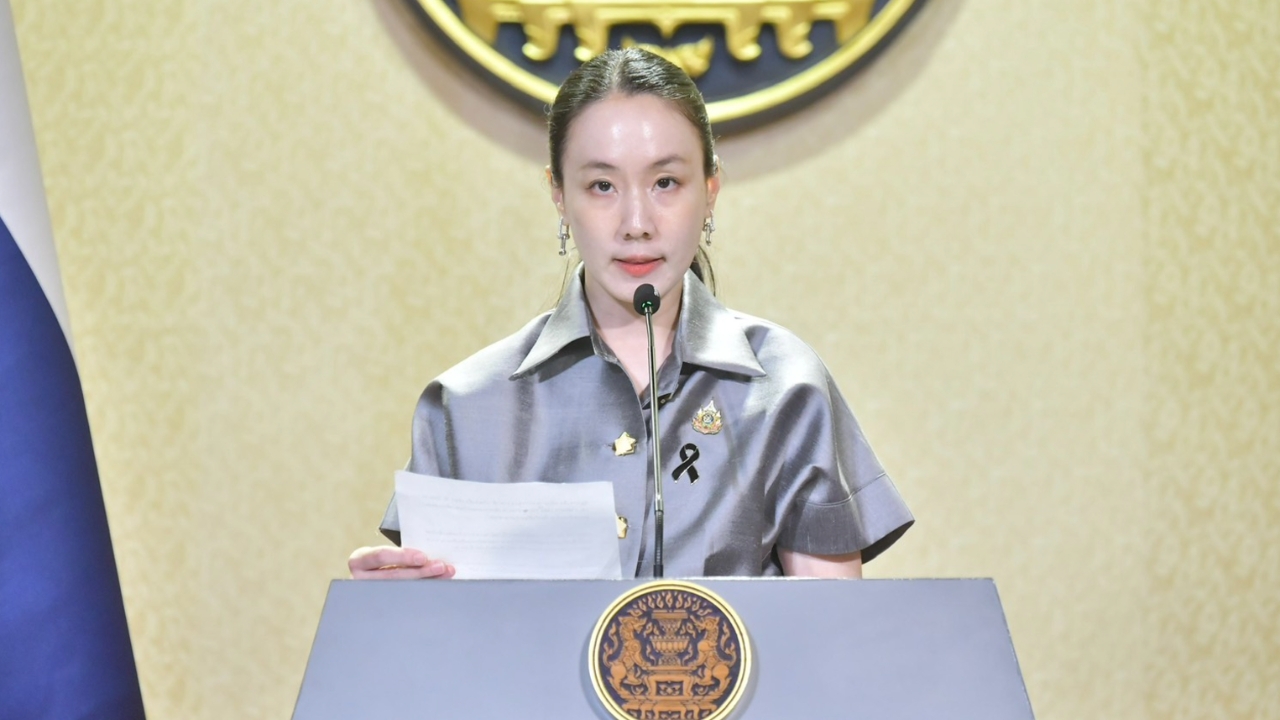
On 31 Oct 2026 GMT+7, Ms. Lalida Pertwivatana, Deputy Spokesperson for the Prime Minister's Office, announced that the government is advancing the upgrade of Thailand’s tourism industry as a key driver of sustainable economic growth. At the 2/2026 meeting of the National Tourism Policy Committee (NTPC), chaired by Deputy Prime Minister Ms. Supachai Sutthampan, the committee discussed directions for the 4th National Tourism Development Plan (2028–2032). The plan aims to increase economic value from tourism, enhance product and service quality, expand the high-spending tourist market, and distribute income to small operators and communities. It sets a target for total tourism revenue of no less than 4 trillion baht and aims to improve Thailand’s Travel and Tourism Development Index (TTDI) ranking into the top 30 worldwide.
Ms. Lalida said a key approach of the new National Tourism Development Plan is to raise the quality and international standards of tourism products and services alongside developing infrastructure and facilities. This focuses especially on cruise tourism and yacht tourism, which have high revenue potential. However, Thailand still needs to develop sufficient cruise and yacht port facilities. The Tourism Authority of Thailand (TAT) will coordinate with relevant agencies to establish clearer development frameworks to increase Thailand’s appeal as a destination for high-spending international tourists.
Meanwhile, the meeting discussed leveraging opportunities from hosting the 2026 IMF–World Bank Annual Meetings. It plans to build on Thailand’s increased global attention from attendees and international travelers to support long-term tourism growth. Cooperation among the Ministry of Tourism and Sports, TAT, and the private sector will promote activities showcasing Thailand’s unique cultural charm internationally. It will also connect tourism routes near Bangkok, such as Ayutthaya Province, while expanding both near and long-distance tourist markets. Near markets focus on Taiwan, Vietnam, Malaysia, Indonesia, and Singapore, while long-distance markets will emphasize large-scale events, collaboration with tour companies, and expanded airline partnerships to boost year-round arrivals.
Ms. Lalida added that the meeting proposed creating an annual provincial tourism activity calendar to systematically link festivals, culture, attractions, and community events with travel routes. Multilingual information will be published to help both Thai and international tourists plan their trips in advance. The plan also considers incentives for multi-destination travel within regions and promotes agricultural tourism and seasonal fruit tours, especially in eastern provinces, to increase sales opportunities and direct income for farmers, small operators, and local communities.
Additionally, the meeting discussed travel facilitation measures for tourists from high-potential markets, particularly Mexico and Colombia, as well as Uzbekistan and Belarus. TAT plans to propose visa waiver measures for these four countries to the relevant committee on 9 Nov 2026 GMT+7. Meanwhile, the Ministry of Foreign Affairs is working to improve the efficiency of e-visa services to reduce processing time and obstacles. These proposals are under consideration and not yet in effect. The meeting also addressed ways to improve inbound passenger processing efficiency at Suvarnabhumi Airport to reduce wait times and ease tourist entry.
Regarding preparation for tourism and cultural management structures, the meeting was updated on progress and draft legislation, scheduled for parliamentary consideration on 4 Nov 2026 GMT+7. It approved establishing a Strategic Tourism Subcommittee during the transition period, chaired by Mr. Weerasak Kowsurat, Advisor to the Deputy Prime Minister. This subcommittee will coordinate related agencies to ensure continuous tourism operations, focusing on management efficiency and minimizing impacts during the transition.
On the matter of collecting tourism fees from foreign tourists, the meeting received feedback indicating positive reception. The details are being finalized carefully before submission to the Cabinet for further consideration. This measure is still under review and has not yet been implemented.
“The government prioritizes increasing economic value from tourism alongside raising service quality and standards, ensuring tourism income benefits all sectors—from airlines, hotels, and restaurants to small operators, farmers, and local communities. Developing tourist attractions and infrastructure, expanding high-potential tourist markets, and linking year-round tourism activities will be key to driving stable and sustainable growth in Thailand’s economy, in line with the 4th National Tourism Development Plan,” Ms. Lalida said.