

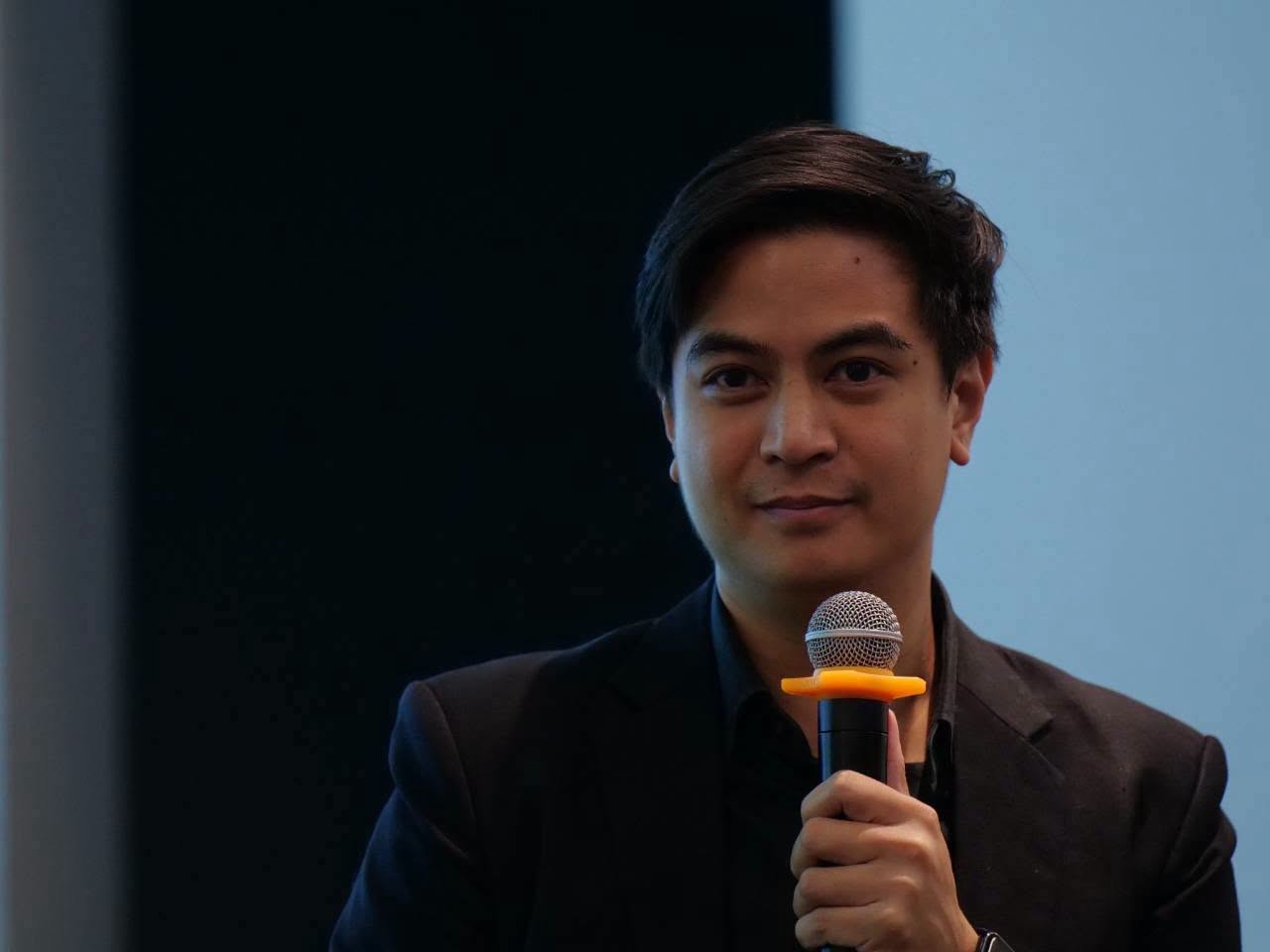
“Ice Cream” is confident in the evidence and witnesses, ready for the no-confidence debate, emphasizing preparation to confront the government’s monopolization and sweeping actions that only solve problems on a daily basis. He revealed that talks with the Kla Party about debate time allocation have already taken place.
On 1 Nov, Parit Watcharasindhu, party-list MP and deputy leader of the Prachachon Party, spoke about preparations for the no-confidence debate against individual ministers under Article 151 of the Constitution. He said the opposition is fully prepared regarding content, evidence, and time allocation within the given timeframe. The debate is scheduled for early December, about a month away. They plan to proceed in two ways: first, closely monitoring the government's actions to see if there are any acts that worsen problems or abuse power to conceal evidence; if such acts occur, they will be included in the debate content. Second, if new issues or events arise in November involving abuse of power, corruption, or serious administrative failures, these may also be added to the debate topics. He emphasized readiness in content, evidence, and time allocation.
Emphasizing preparation to confront monopolization and sweeping actions.
When asked how many key debaters the Prachachon Party has prepared, Parit said it is better to reveal that closer to the time. Overall, they aim to highlight many problems the public has faced, including economic hardship, floods, corruption, and patronage systems seen across various sectors. This government has failed to solve these problems and, in many cases, government members themselves are the root of the issues.
To summarize, he said the opposition's accusation against the government is monopolizing power and sweeping everything up, solving problems only on a daily basis. However, details of each individual’s debate content are being withheld until the debate day to prevent the government from concealing or tampering with related evidence. Thus, the opposition reserves the right not to disclose individual debate content, which is customary for oppositions across eras.
Talks with the Kla Party about debate time allocation have already taken place.
When asked if there have been discussions with the Kla Party about debate time allocation, Parit said preliminary talks have occurred, and they share two understandings: first, this is a no-confidence debate motion, so the content must be in the form of arguing reasons why certain ministers among the 18 named are untrustworthy; second, while the Kla Party may feel entitled as members, they are not among those co-sponsoring the motion, so time allocation should reflect these differing weights.
Filing under Article 152 is just one proposed parliamentary mechanism.
Parit spoke about filing a general debate motion without a vote under Article 152 alongside the no-confidence motion under Article 151. He said the main focus remains on the no-confidence debate in early December. However, when that time arrives, the opposition will consider how best to use parliamentary time in November effectively. The opposition shares a goal to use November to address problems faced by the people and to scrutinize government performance. Filing a general debate under Article 152 is only one of several mechanisms proposed by some opposition members. In fact, many other mechanisms exist to achieve the goals of solving problems and overseeing the government.
When asked if some members proposing a general debate without a vote under Article 152 are from the Prachachon Party or other opposition parties, Parit said they have listened to various opinions. Regardless of how they proceed, the opposition will need to coordinate to act with unity and maximum efficiency.