

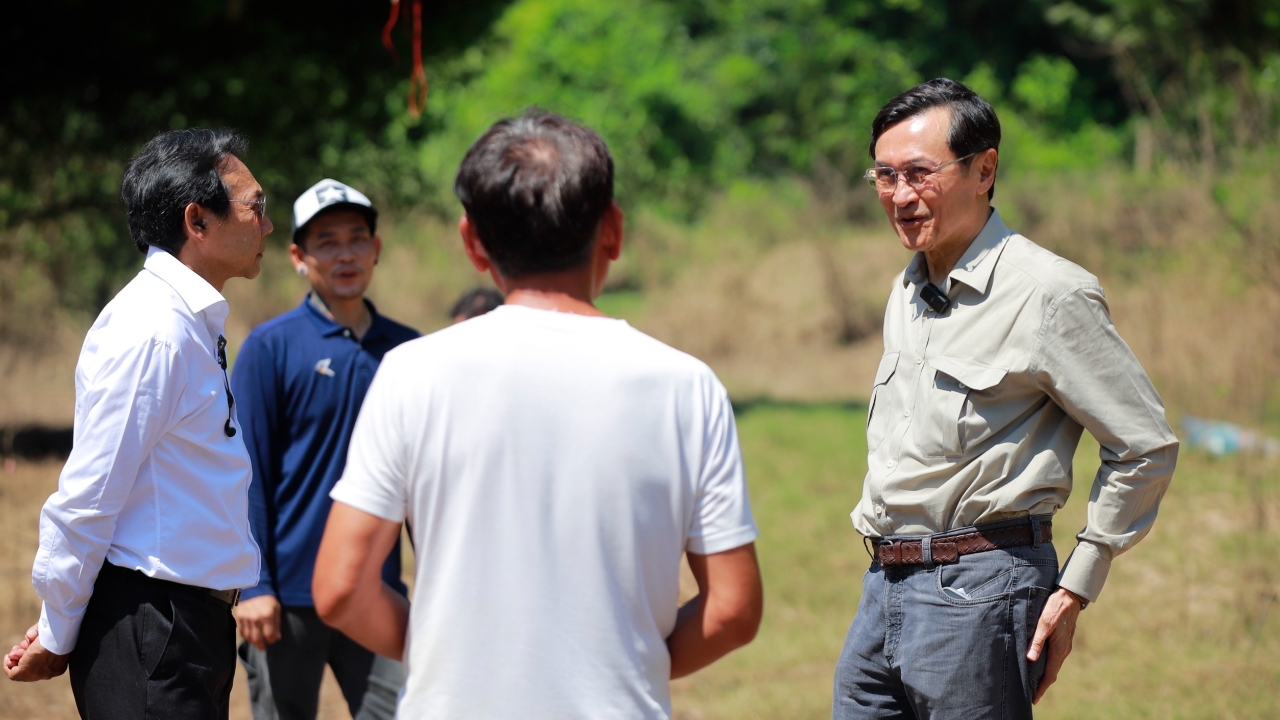
Jatuporn visited Prachinburi Province, finding fish farmers experiencing massive fish deaths across entire cages. He urged an investigation into the source of the black water, noting that compensation criteria remain far from reflecting the real hardships. He plans to forward the issue to Parliament, relevant committees, and the government.
On 1 November 2026, Jatuporn Chaiyasang, a party-list MP for the Pheu Thai Party, visited Ban Tham Subdistrict, Si Maha Phot District, Prachinburi Province. He met fish farmers affected by extensive fish deaths and called for urgent examination of the black water source, financial aid, and assurance of water quality so farmers can resume their livelihoods.
Jatuporn said that among the fish farmers he met, losses totaled about 8 million baht. Farmers reported that once fish showed abnormal signs, they hurriedly arranged transport to sell them, but by the time the trucks arrived, all fish had died. This reflects the rapid damage that was impossible to manage.
He stated that the fish deaths occurred along the entire river, covering about three districts in Prachinburi Province and affecting some fish farmers downstream in Bang Pakong District, Chachoengsao Province. After the flood, black water flowed in, causing fish to die off gradually until entire cages were empty.
Regarding the cause, Jatuporn said experts explained that the black water lacked sufficient oxygen for fish survival. However, investigations are ongoing to determine the black water's origin, whether it is linked to industrial or factory waste discharge, and to assess toxic contamination in both caged and wild fish.
He believes the government must provide credit assistance to farmers lacking funds while addressing water quality problems. Fish farmers remain concerned that if they reinvest, the black water might return and cause repeated fish deaths. Additionally, contamination concerns may damage consumer confidence and markets for farmers' products.

The issue also affects trust in drinking water, usage water, and agricultural water, requiring cooperation among multiple agencies to inspect and restore standards. Government agencies have collected water and fish samples for testing, while farmers have also collected samples for private laboratory analysis.
Jatuporn said he will compile the information to consider submitting it to the House of Representatives, relevant parliamentary committees, and the government to push for comprehensive problem-solving. Because the damage covers a wide area, actions must include compensation and establishing systems for people to confidently use water and pursue their livelihoods, especially since current compensation criteria fall far short of farmers' real hardships.
