

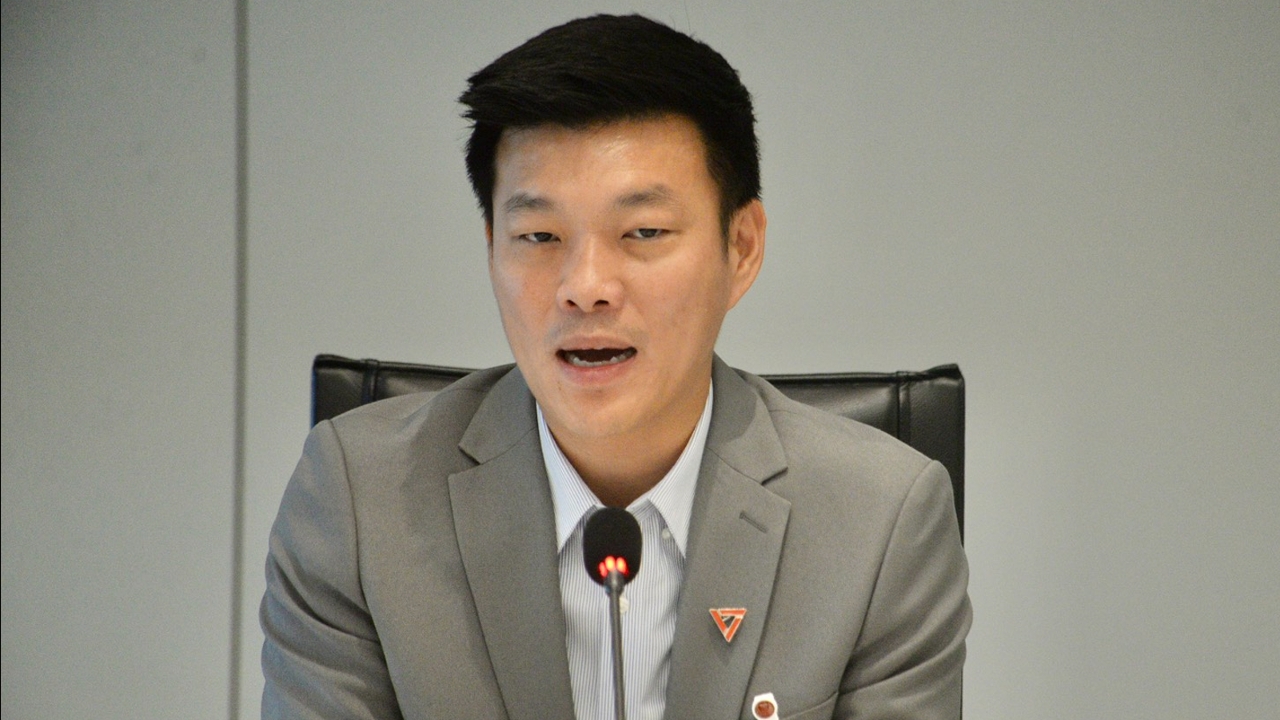
Nattapong emphasized that the opposition places importance on all mechanisms to scrutinize the government, pointing out that Section 152 is another channel that can be used. He criticized the executive branch for not valuing parliamentary forums and having to coordinate with the Prime Minister and Cabinet to schedule time to respond to queries.
On 2 Nov 2026 GMT+7, Nattapong Ruangpanyawut, leader of the opposition, spoke about the submission of a no-confidence debate under Section 152 (without a vote), saying it is one mechanism the opposition party can use within the parliament. Personally, he believes the crucial issue now is that the government must respect and prioritize parliamentary mechanisms more, whether it is debates under Sections 151 and 152 or other forums such as committee questioning or parliamentary question sessions. He noted the behavior of the Cabinet and ministers shows little or almost no regard for parliamentary forums. For example, when the Prime Minister attends parliament, instead of sitting on the podium to respond to questions, he spends time walking around greeting MPs in the chamber. This means that upon entering parliament, he fails to fulfill his role or the executive responsibility to be accountable to the legislature.
Therefore, he sees that whether or not a no-confidence debate is submitted under Section 152, it remains one of the mechanisms the opposition can use to perform government oversight. Regarding the Democrat Party's focus on submitting debates under Section 151 rather than Section 152, Nattapong said the party values all forums and channels. The Democrat Party can express opinions as it sees fit, but ultimately, whether to submit or not depends on the political context. He reaffirmed that the debate forum under Section 152 is also a platform that can be used for oversight.
As for who decides whether to submit a no-confidence motion under Section 152, Nattapong said, “I think this sometimes depends on political strategy. It may not be appropriate to clearly state in a public forum what criteria determine whether to submit or not.”
Regarding the Prime Minister's comment that when he comes to parliament no questions are asked, but when he does not come, questions arise, Nattapong said that in fact, they use many opportunities, including through the media inviting the Prime Minister directly and other Cabinet members as well, plus behind-the-scenes coordination. Instead of the executive locking their schedules to ensure they have to answer in parliament at least one day a week—Thursday—they now have to repeatedly ask when they are available. When questions are submitted, invitations must be sent according to their available time. Personally, he sees this as a mismanagement of duties.
"However, I want to tell everyone that even at this stage, even though we are open whenever the Prime Minister and Cabinet are ready, we still do not see them fulfilling their responsibilities towards parliament more seriously." Nattapong concluded.