

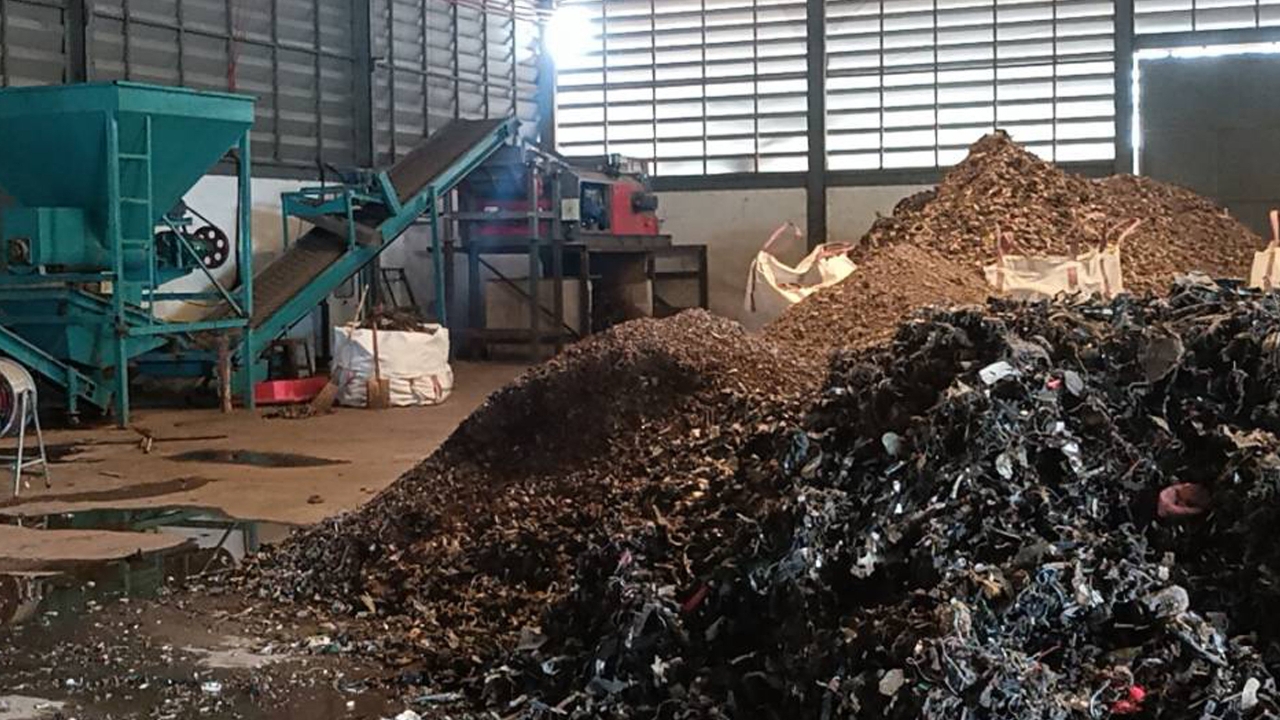
The government is intensifying efforts to block illegal toxic waste imports into Thailand. Deputy Prime Minister Anutin expresses concern for public safety, while Deputy Prime Minister and Finance Minister Akiniti orders the Customs Department to enforce strict measures after intercepting and returning more than 10 million kilograms of waste and electronic garbage last year.

On 3 Nov 2026 GMT+7, Ms. Lalida Pertwivatana, Deputy Spokesperson of the Prime Minister's Office, stated that under the leadership of Prime Minister Anutin Charnvirakul, the government prioritizes preventing and suppressing the illegal import of toxic and hazardous waste from abroad. This is especially focused on toxic waste potentially linked to illegal business operations or “grey” capital groups, which threaten the environment, public health, and national security. She emphasized that Thailand must not become a destination for toxic and hazardous waste from other countries.
Ms. Lalida said the Prime Minister is concerned about public safety and does not want Thai citizens to be affected by toxic waste and hazardous substances smuggled into the country. Meanwhile, Deputy Prime Minister and Minister of Finance Akiniti Nitithanprapas has instructed the Customs Department and relevant agencies to increase strictness in inspecting imports, especially those at risk of containing hazardous waste or misdeclared goods, to prevent the use of international trade channels for smuggling toxic waste into Thailand.
The Customs Department reported that last year it intercepted hazardous waste and electronic scrap mixed with imported goods and returned over 10 million kilograms to the countries of origin. This underscores the need to enhance inspection and prevent misdeclaration of goods to block hazardous waste at the import stage before improper storage or disposal within Thailand.
Ms. Lalida added that the Customs Department will coordinate with the Department of Foreign Trade and the Pollution Control Department to consider setting contamination limits for imported goods and clearer, stricter criteria for authorized importers. This aims to close loopholes exploited to smuggle waste and electronic garbage, improve risk screening, and establish verifiable import standards.
The government views solving illegal toxic waste imports as requiring systematic action—from document and product-type verification, customs screening, contamination standards, to law enforcement against offenders—because some hazardous wastes can contaminate soil, water, and the environment, impacting public health and causing long-term rehabilitation costs.
Ms. Lalida emphasized that the government is fully committed to supporting officials by increasing inspection rigor, integrating inter-agency data, and prosecuting offenders under the law. This is to prevent profiteering from smuggling hazardous waste, which shifts environmental and health burdens onto Thai citizens.
“The government places public safety first. The Customs Department’s ability to intercept and return over 10 million kilograms of hazardous waste and electronic garbage to the originating countries last year highlights the importance of strict inspections. However, solving the issue requires more than arrests. The government aims to enhance preventive measures, close import loopholes, and integrate agency cooperation to ensure Thailand does not become a destination for illegal toxic waste. We are committed to protecting the environment, public health, and national security seriously,” Ms. Lalida said.