

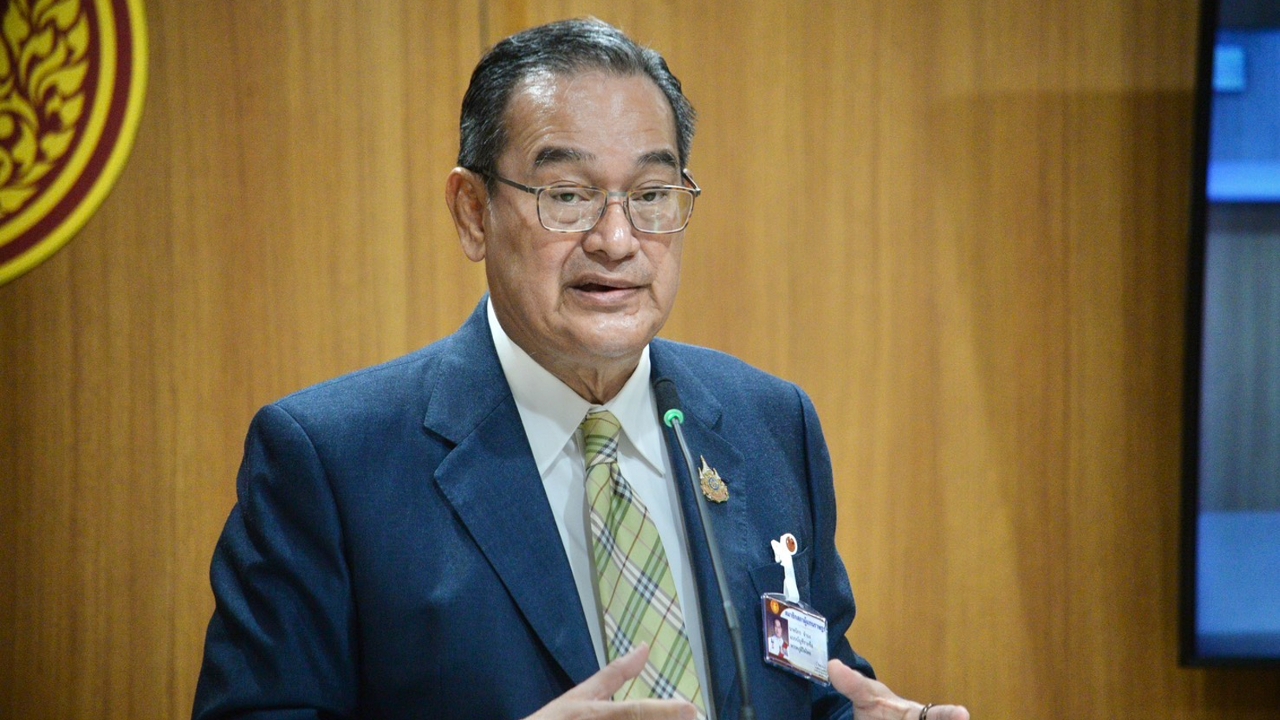
Nikorn admitted he was behind the proposal to amend the parliamentary meeting rules, repeatedly explaining and denying accusations that it was intended to block opposition scrutiny. He stressed the need to dissolve the opposition-government divide within committees.
At 11:00 a.m. on 4 Nov 2026 GMT+7 at the parliament, Nikorn Jamnong, party-list MP of the Bhumjaithai Party and proposer of the parliamentary meeting rules amendment draft, held a press conference to clarify accusations that his draft blocked the oversight mechanism through the 35 parliamentary committees. He said he proposed the amendments on behalf of the Bhumjaithai Party, covering more than 15 issues, not just committee matters. The draft has been placed on the agenda and presents an overall framework addressing flaws in the 2019 meeting rules, incorporating suggestions from other parties, like a large umbrella consisting of four main frameworks.
1. Legislative process development framework: to preserve the completeness of a bill even if an MP who originally sponsored it loses membership later—due to complaints or death—the bill remains valid as originally submitted. Also, the time for amendment debates counts only business days, excluding weekends. The new rules allow the Prime Minister, even if an outsider, to present a vision directly to parliament.
2. Upgrading the question session system and digital technology: previously, digital methods could not be used to submit questions. The amendment allows submitting questions digitally, with live oral questions limited to 30 minutes and general questions limited to 20 minutes.
3. Committee system reform: allowing multiple committees to meet jointly to address complex issues; establishing transparent rules for electing chairpersons and vice-chairpersons through vision statements and drawing lots if votes tie; appointing legislative lawyers from permanent staff as assistant secretaries to committees.
4. Transparency and rights protection framework: live broadcasting of committee meetings via digital media is supported, and mechanisms protect external individuals from defamatory remarks, allowing rebuttals.
."
Nikorn continued by denying allegations that he was blocking opposition oversight. He said he co-drafted the 2019 meeting rules and then proposed that no advance verification of information, videos, or slides be required before no-confidence debates, to prevent the government from having prior knowledge and flipping outcomes. Instead, debaters must be ethically responsible for any false information. Although the opposition has authority, committees lacked power because the 2017 law empowering committees to summon officials was repealed. Therefore, the amendment seeks to restore this power; now, if committees summon the Prime Minister or government agencies and they fail to appear, it will be a disciplinary offense, thus strengthening oversight.
He said accusations of blocking oversight were unfounded. The committee's mandate is collective oversight, not a political weapon. Committees must work systematically as a body. Misuse or overreach of power can have serious consequences. Authority must be exercised collectively with clear, strict resolutions, not at the discretion of committee chairs. Thus, claims that the government side locks in majority votes are inaccurate. Among the 35 standing committees with 15 members each, if the government wanted all chairpersons, it could, but currently, the opposition chairs nine committees.
Emphasizing the need to dissolve political blocs within committees,
he said, "I reaffirm that parliamentary committees are not divided into opposition and government sides but serve as government oversight bodies. Some committees act as opposition, so the amendment requires official meeting resolutions to invite individuals or organizational representatives, rather than allowing committee chairs to summon anyone unilaterally. Press releases must be delivered by designated spokespersons reporting meeting outcomes, not by individual committee members expressing personal opinions. Live broadcasts also require majority committee approval." Nikorn stated.