

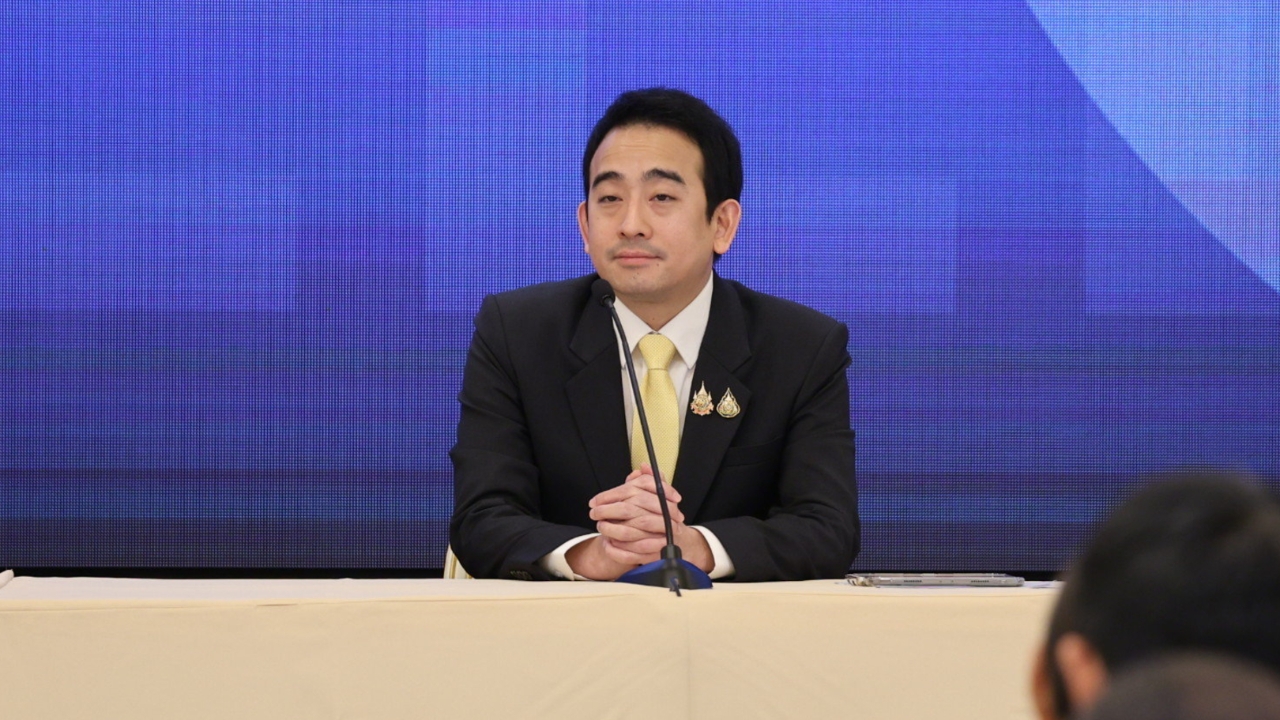
Phaophum, former Deputy Finance Minister, analyzes the US election results, highlighting a shift in power balance, limitations on fiscal policy, and continued strict trade policies, urging Thailand to remain cautious.
On 5 Nov 2026 GMT+7, Phaophum Rojanasakul, Deputy Leader of the Pheu Thai Party and former Deputy Finance Minister, commented that with the Democratic Party gaining majority control of both US congressional chambers in the midterm elections, the power balance between the executive and legislative branches will shift, affecting economic policy and Thailand's response.
Regarding fiscal policy, economic stimulus measures, tax cuts, and increased spending by the administration must now negotiate with the new majority, leading to tighter constraints, possible delays, obstacles, or smaller-scale stimulus than expected, and risks of budget management disruptions.
On trade, key measures continue under existing laws granting executive authority, such as on security and countermeasures against unfair trade practices impacting US commerce, including expanding product coverage and adjusting tariffs. Thailand must monitor closely and not be complacent, preparing industry-specific plans detailed to product codes, origins, and specific measure conditions.
For monetary policy, the Federal Reserve is likely to maintain a cautious stance on inflation short-term but may ease more in the medium term due to lower-than-expected fiscal stimulus reducing demand and inflation pressures. However, inflation from import tariffs and energy prices linked to the Iran war remains a concern, requiring close attention to President Trump’s future actions.
US policy risks will change with the power structure; as legislative avenues narrow, President Trump may increasingly use executive powers allowed by law, leading to more sudden or bold measures, while policies requiring congressional approval face more negotiation, checks, delays, or gridlock risks.
"Thailand, as a country affected by great power policies, must analyze legal bases, decision-makers, and procedures for each measure to identify which policies can proceed, which face dead ends, and their impacts on trade, inflation, interest rates, or capital flows, to prepare responses aligned with each industry's risks," Phaophum said.