

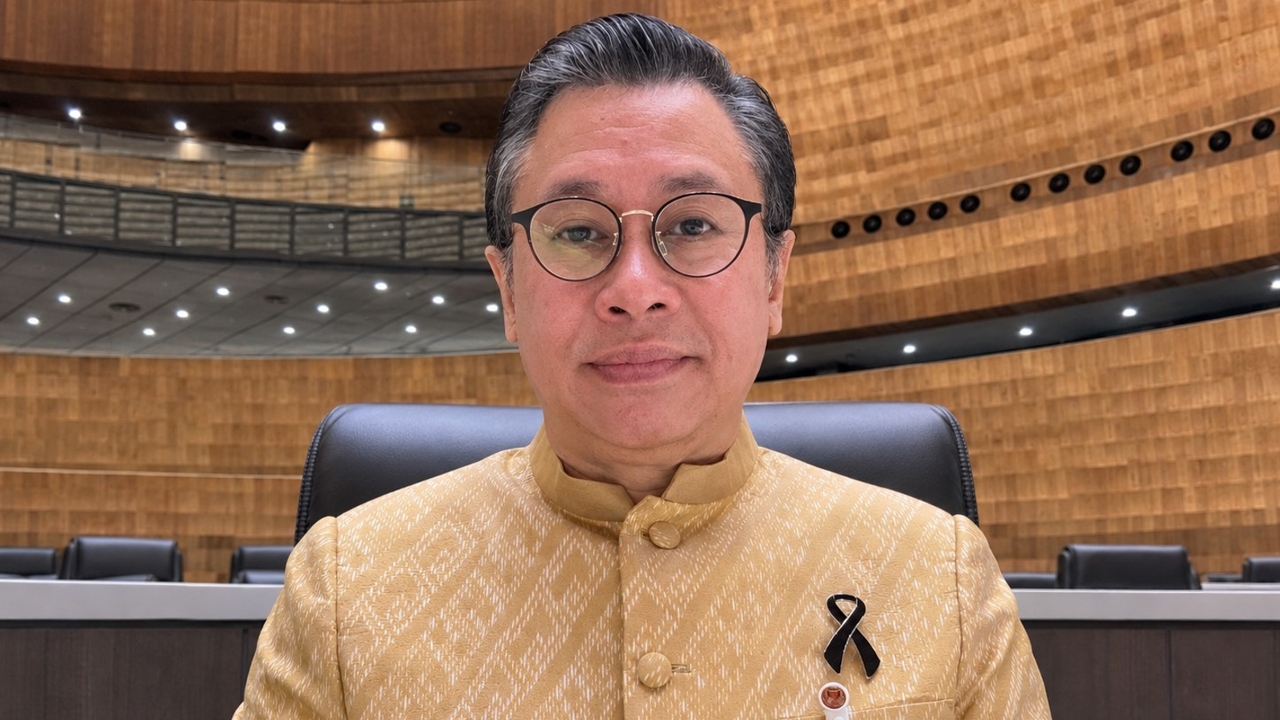
Chakraphop points out that Trump is shaken after the midterm elections, advising Thailand to wait for direction before tax negotiations and warns to watch the last two years to avoid impacts on Thailand.
On 5 Nov 2026 GMT+7, Mr. Chakraphop Penkhae, a party-list member of parliament from the Pheu Thai Party, analyzed the U.S. midterm election results as a political setback for President Donald Trump and a significant signal for the country's governance over the next two years. He suggested Thailand should clearly assess U.S. political directions before advancing trade tax negotiations and closely monitor impacts on the energy market.
Mr. Chakraphop stated that preliminary election results used for analysis show the Democratic Party holding 54 seats in the Senate while the Republican Party has 44 seats. Though these figures await official certification, they allow for initial situation assessment and planning. The key question now is how the Democrats will wield their political power in dealing with the Trump administration.
Mr. Chakraphop observed that the Democrats have two main options: first, to negotiate with Trump to push key issues each side desires, a method Trump is skilled at, but it must be considered what gains or losses each side will incur from any agreement.
The other option is to use investigative committees to examine the Trump administration's actions on issues the Democrats believe might involve wrongdoing. This approach would continuously pressure the executive branch and could reduce its ability to implement policies during the remainder of the administration.
Mr. Chakraphop likened ongoing investigations to gradually draining Trump politically, leading to a lame-duck government and affecting Republican popularity before the next presidential election. Thus, although voters have sent signals via ballots, the intensity of future pressure depends on the Democrats' chosen approach.
Regarding Thailand, Mr. Chakraphop highlighted two key issues to watch: energy prices and trade tax negotiations with the U.S., as shifts in U.S. political power could affect both foreign policy stances and the executive's bargaining power.
On energy, Mr. Chakraphop assessed that if political pressure limits Trump's policy options related to war, especially conflicts with Iran, it might increase flexibility in global oil supply and pricing negotiations. This could also ease concerns over oil and gas, particularly liquefied petroleum gas (LPG). However, the extent of these effects remains unclear.
Regarding trade tax negotiations, Mr. Chakraphop proposed that Thailand should wait for the U.S. political situation to stabilize somewhat, to see how the Democrats act and how the Trump administration adjusts its stance, before determining the appropriate timing and approach for negotiations.
“Do not negotiate now; let events unfold for a while to set the stage on how to proceed,” he said. .
Mr. Chakraphop added that Thailand's trade negotiations are government-to-government (G2G) with the U.S. executive branch. Thailand must assess how Congressional pressure might influence the Trump administration’s decision-making and negotiation conditions to plan effectively in protecting national interests.
In conclusion, Mr. Chakraphop evaluated that this election could mark the beginning of Trump's political decline, but warned against underestimating him, as Trump still holds power to enact impactful policies in the remaining two years. Thailand must prepare to respond and ensure that the consequences of U.S. leadership decisions do not spill over and affect the country.