

Every baht must benefit the people. "Pradorn" advances the 2028 budget reform by urgently reviewing redundant expenditures, cutting unnecessary spending, and making off-budget funds more efficient.
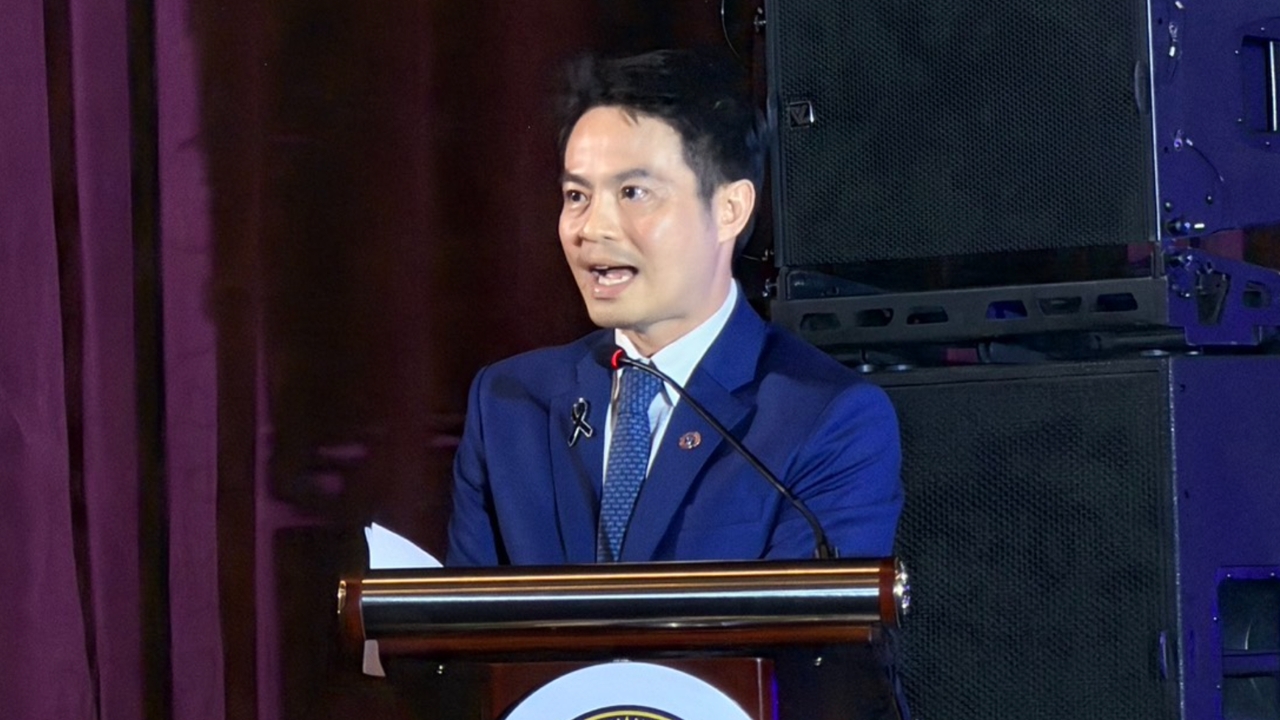
6 Nov 2026 GMT+7 Pradorn Prissanantakul Minister attached to the Prime Minister's Office revealed the outcomes of the pre-budget consultation meeting for the fiscal year 2028 budget (Pre-Budget Consultation) held by the Budget Bureau on 5 Nov 2026, attended by over 600 representatives from the legislature, government, private sector, and civil society. He stated this meeting marked a crucial starting point in changing the budget preparation mindset—from focusing on agency budget requests to asking what the country most needs and how the public will benefit.
Pradorn said Thailand faces fiscal constraints: rising expenditures, limited government revenues, and high public debt. Meanwhile, investment is needed to elevate the economy and citizens’ quality of life. Therefore, the 2028 budget must prioritize reviewing existing spending alongside setting new budget priorities, rather than merely deciding which agencies receive more or less funding.
“In times of limited funds, we must boldly reassess longstanding spending. Some items once necessary may no longer be so. Some are duplicated across agencies. We need to reduce redundancy to free up budgets for what people truly need.”
From the meeting's proposals, the Budget Bureau identified key issues to study and advance, especially reviewing hard-to-cut long-term commitments. The bureau will focus on improving management to reduce unnecessary expenses without affecting citizens’ rights and services. For example, in health, there is a proposal to study nationwide pooled drug procurement to cut costs and reduce redundant tests. In education, budget allocation must be reviewed to match student numbers and local conditions, ensuring resources truly improve teaching quality without depriving remote children of opportunities. In social welfare, developing a central database is proposed to reduce duplicate benefits and ensure aid reaches those most in need.
Another focus is managing off-budget funds of government agencies. The Budget Bureau will push to collect and analyze off-budget data more comprehensively, including local government reserves, off-budget agency funds, and various funds, to provide an overall picture of government resources before considering additional budget allocations.
“We must view the country's finances as a whole system, not just the annual budget. If agencies have reserves, we must consider how to use them effectively within legal and agency mandates. Similarly, funds that have completed their missions or overlap with others should be reviewed to maximize the country’s resource use.”
Next steps: The government and Budget Bureau will incorporate meeting proposals and online feedback into the medium-term fiscal plan for 2028-2031, scheduled for Cabinet submission on 24 Nov 2026, and the 2028 budget allocation strategy, to be presented on 1 Dec 2026.