

Starting 1 December 2026, private hospitals will be mandated to submit birth certificates online through the Department of Provincial Administration's electronic system to prevent the “fake fathers” scheme that fraudulently claims Thai nationality.
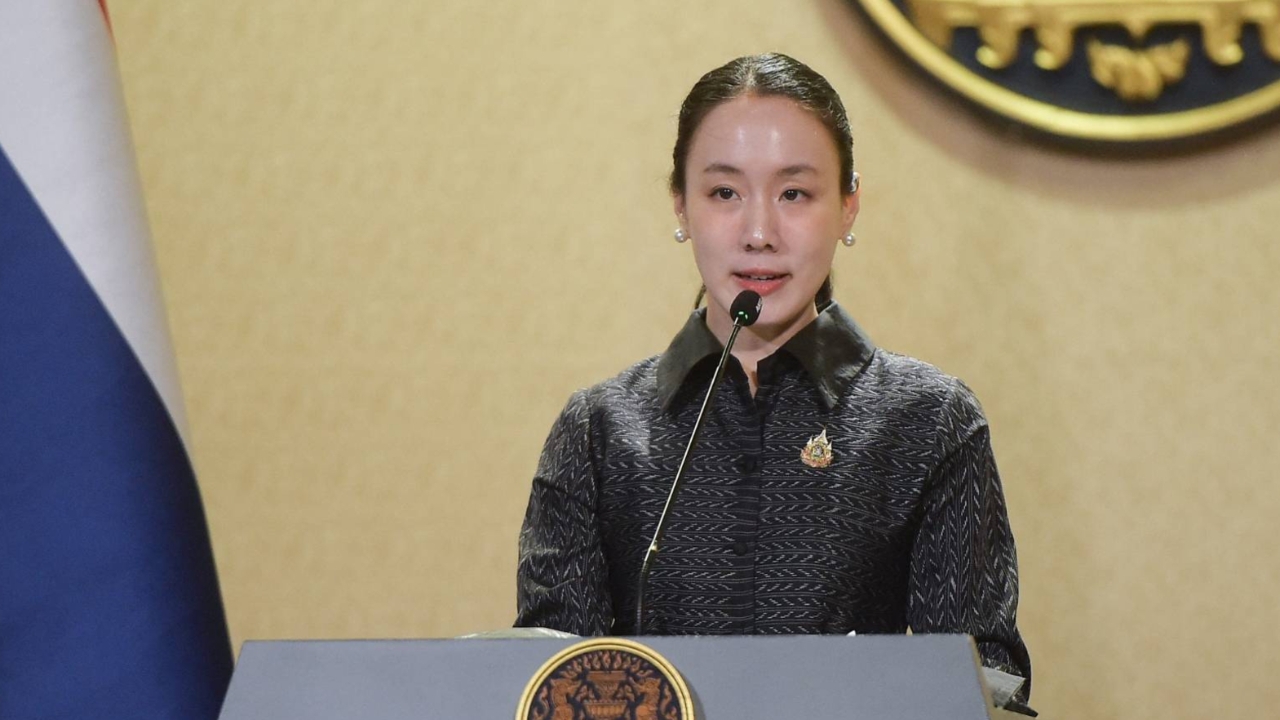
On 7 November 2026, Ms. Lalida Pertviwatana, Deputy Spokesperson of the Prime Minister’s Office, announced that the government is advancing measures to prevent misuse of birth documents for improper acquisition of Thai nationality. The Ministry of Public Health, in collaboration with the Ministry of Interior, requires over 400 private healthcare facilities nationwide to submit birth certificates or form T.R.1/1 electronically through the Department of Provincial Administration’s system from 1 December 2026 onward, replacing paper submissions to enhance accuracy, transparency, and allow for retrospective verification.
Ms. Lalida stated that the Ministry of Public Health, through the Department of Health Service Support (DHSS), has been tasked with verifying and registering personnel authorized by private healthcare facilities to submit birth certificates. Meanwhile, the Department of Provincial Administration manages the electronic system to standardize data submission, reduce document forgery vulnerabilities, and prevent misuse of birth data for illicit benefits.
This measure follows the policy of Mr. Pattana Promphat, Minister of Public Health, who has emphasized strict legal action against private healthcare facilities involved in falsifying documents to grant children Thai nationality unlawfully. It also involves integrated cooperation between DHSS, the Department of Provincial Administration, the National Health Security Office, and other agencies to link data and improve verification efficiency.
Ms. Lalida emphasized that birth certificates issued by healthcare facilities confirm factual birth details such as date, time, place, and delivery method, but do not certify Thai nationality. Electronic submission does not automatically complete birth registration; parents or legal guardians must still register births with the local registry office according to legal requirements.
Regarding cases where the mother is foreign and the father is Thai, the Ministry of Public Health directs healthcare facilities to certify factual birth information without registering the birth on behalf of the family. If doubts arise about the paternal relationship, DNA testing from a state-recognized institution may be recommended for the registrar’s consideration. This is not a requirement for every child or all Thai-foreign families to undergo DNA testing.
“The government prioritizes the accuracy of civil registration data and preventing fraudulent claims to Thai nationality. Transitioning to an electronic system will enhance the ability to verify document submitters and track data retrospectively more effectively. However, it is important to clearly distinguish that issuing birth certificates, birth registration, and nationality determination are separate steps. Obtaining Thai nationality must comply with the law and is not automatic merely because a hospital submits birth data,” Ms. Lalida said.
Ms. Lalida concluded by urging private healthcare facilities to prepare their systems and register authorized personnel before 1 December 2026, and to closely follow operational guidelines from the Department of Health Service Support and the Department of Provincial Administration to ensure proper implementation. She added that the public can inquire about birth registration procedures at hospitals and local registry offices, and the government affirms it will rigorously enforce anti-fraud measures while protecting the rights of children and families under the law.