

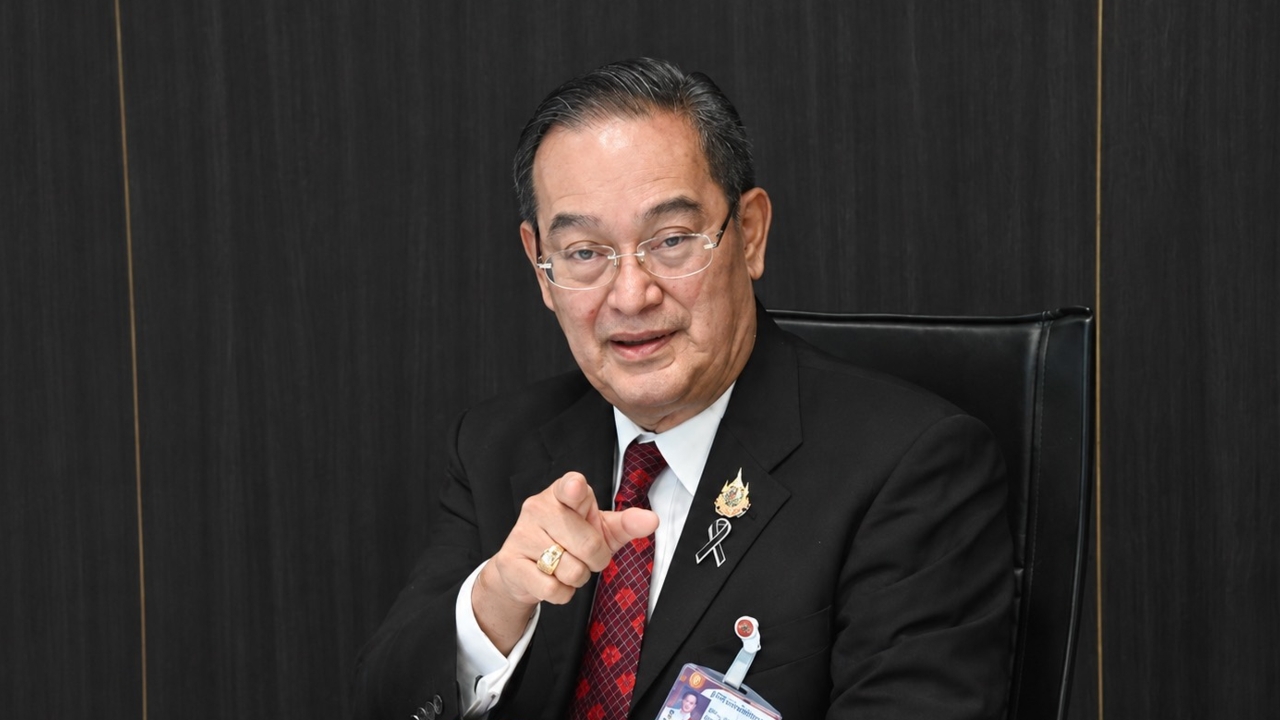
Nikorn Jamnong cited the Summoning Powers Act, indicating that the Legal Committee may not be complying with the law and risks accusations of violating the Code of Ethics. He stressed that parliamentary mechanisms should not be used to create pressure or as instruments in political conflicts.
On 8 Nov 2026, Nikorn Jamnong, party-list MP from Bhumjaithai Party and former secretary of the special committee reviewing the Summoning Powers Act, commented on the Legal, Justice and Human Rights Committee of the House of Representatives' unanimous 7-0 vote to summon the Prime Minister under Section 13 of the 2025 Summoning Powers Act. The summons was based on allegations that the Prime Minister or the Interior Minister failed to order the Director-General of the Department of Provincial Administration to respond to the committee. Nikorn expressed concern that this action may lack legal legitimacy and could violate the 2020 Code of Ethics for MPs and committee members.
The key issue is that the Interior Minister did instruct coordination for the Director-General of the Department of Provincial Administration to attend the committee. However, the Director-General was unable to participate due to duties assisting flood victims and officially notified the committee of this on 5 Oct 2026. Therefore, questions remain whether the absence was justified or a deliberate refusal to comply with the committee’s summons. Drawing the conclusion that superiors failed to issue orders based solely on the official’s absence may be an over-interpretation lacking sufficient evidence.
"I believe that the use of Section 13 of the 2025 Summoning Powers Act must be strictly followed with full verification of all steps—including meetings, the decision to summon, issuance of summons letters, notification of valid reasons, and facts about orders from the Prime Minister or responsible ministers. Especially Sections 7 and 8, which set criteria for summoning individuals and cases of non-attendance. Section 13 impacts the executive's duties and should not be applied presumptively to accuse superiors of neglect without clear facts and sufficient evidence," he said.
Nikorn pointed out that the committee’s vote may involve violations of the 2020 Code of Ethics for MPs and committee members, particularly Article 9 requiring strict adherence to laws and parliamentary rules; Article 11 demanding commitment to fairness and impartiality; Article 12 mandating respect for others' rights and prohibiting defamatory language or actions; as well as Section 12 of the Summoning Powers Act concerning improper or corrupt conduct by committee members, which carries ethical accountability.
"The committee is a crucial legislative mechanism for overseeing government administration and seeking facts for the nation and public benefit. Its exercise of power must be neutral, honest, transparent, and accountable. Parliamentary mechanisms should not be used to exert pressure or as political weapons, as this undermines the House of Representatives' credibility and public trust," he added.
Nikorn clarified that he does not oppose government oversight and fully supports the committee's legal authority to summon individuals or state officials for explanations. However, this authority must operate within the legal framework, supported by facts and evidence, and be conducted fairly. If the committee exercises its powers improperly or fails to meet legal conditions, those who vote in favor may face legal and ethical consequences. He emphasized that the fundamental principle of rule of law governance is equality before the law, with no one above it, whether executive or legislative branches.