

The government is speeding up pollution control in the Prachinburi River basin, preparing to declare a pollution control zone. Water quality testing will be extended to the Bang Pakong River, with sediment analyzed for heavy metal accumulation, alongside inspections of pollution sources to safeguard public health.
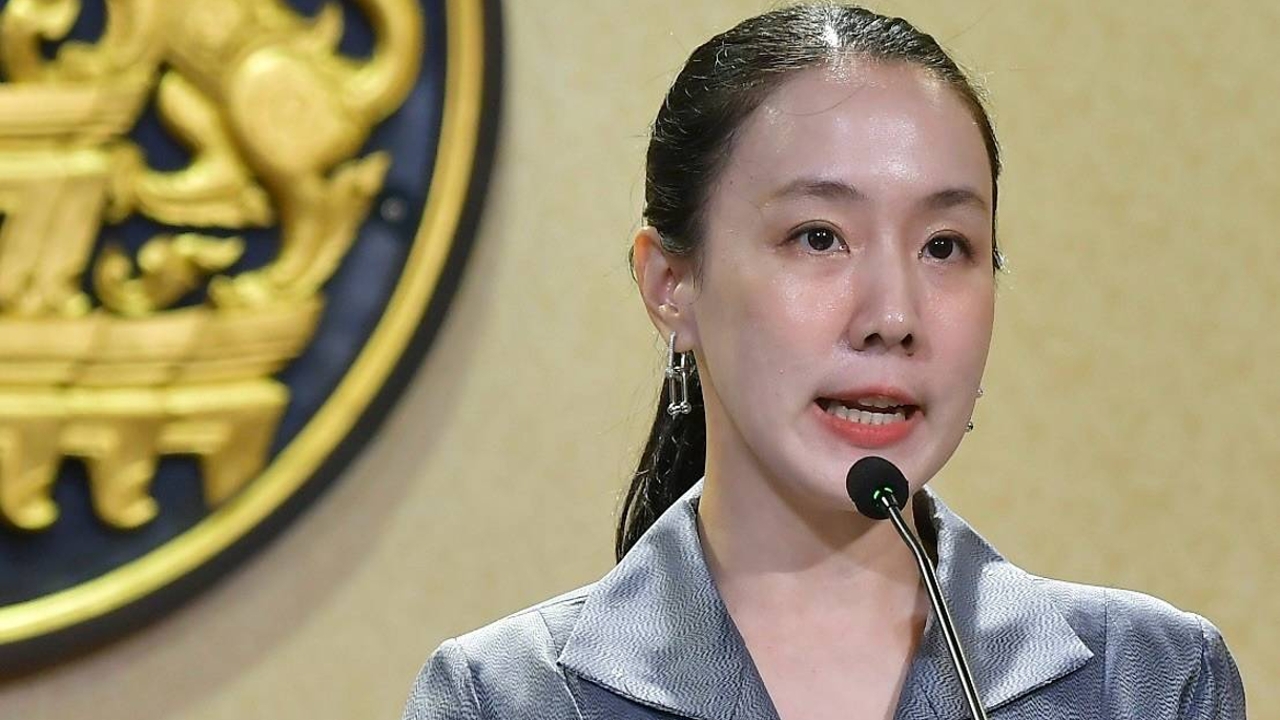
On 8 Nov 2026 GMT+7, Ms. Lalida Pertvivattana, Deputy Spokesperson for the Prime Minister's Office, stated the government prioritizes resolving pollution issues in the Prachinburi River basin and connected areas. The Ministry of Natural Resources and Environment (MNRE) is studying details and preparing a proposal to designate the Prachinburi River basin and its tributaries as a pollution control zone. They plan to systematically monitor water quality and pollution sources, expand inspections to the Bang Pakong River, and collect sediment samples to detect heavy metal accumulation, aiming to address root causes and protect local residents' health.
Ms. Lalida said on 5 Nov 2026 GMT+7, the 4/2026 meeting of the Pollution Control Committee acknowledged proposals from community networks and affected individuals calling for a pollution control zone declaration in the Prachinburi River basin. The committee agreed to assign the Pollution Control Department, Office of Natural Resources and Environmental Policy and Planning (ONEP), and relevant subcommittees to study details and action plans further before submitting to the National Environment Board for legal consideration.
Regarding local inspections, the Pollution Control Department has collected water samples from reported and nearby areas to test water quality and contaminants. They are also investigating cases of fish deaths in Ban Tham Subdistrict and complaints about black water near Phetchaloem Watergate. Data and analysis are being compiled to determine true causes. So far, it is not yet possible to conclude which contaminants or pollution sources are responsible.
Ms. Lalida added the Pollution Control Department plans to collect additional water samples from the Prachinburi and Bang Pakong rivers, alongside investigating pollution sources in industrial zones and adjacent areas. They will also gather sediment samples to check for heavy metal accumulation, enabling a comprehensive assessment of both water quality and contaminants potentially accumulating in the environment. This data will support appropriate prevention and remediation measures.
“The government is not indifferent to pollution problems affecting citizens, especially water quality issues related to livelihoods and ecosystems. Solutions require tracing root causes, not just spot water quality tests, but linking pollution sources, water flow, and toxic accumulations in sediments. This ensures sufficient evidence for targeted corrective measures.” . Ms. Lalida said.
Ms. Lalida emphasized the current proposal to declare the Prachinburi River basin a pollution control zone remains in the study and data preparation phase, not yet an official declaration. It must be submitted to the legally authorized National Environment Board for further consideration. Meanwhile, results from water sampling already conducted are pending analysis before concluding causes or assessing water and aquatic safety.
“The government is ready to listen to public concerns and is committed to seriously addressing pollution issues based on scientific principles and facts. The Ministry of Natural Resources and Environment will continue gathering data, inspecting pollution sources, and promoting basin-level solutions to sustainably protect natural resources, public health, and quality of life.” Ms. Lalida said.