

Bangkok is accelerating a three-phase flood prevention plan in Lat Krabang, upgrading the drainage system, and addressing flood weaknesses to prepare for the next rainy season.
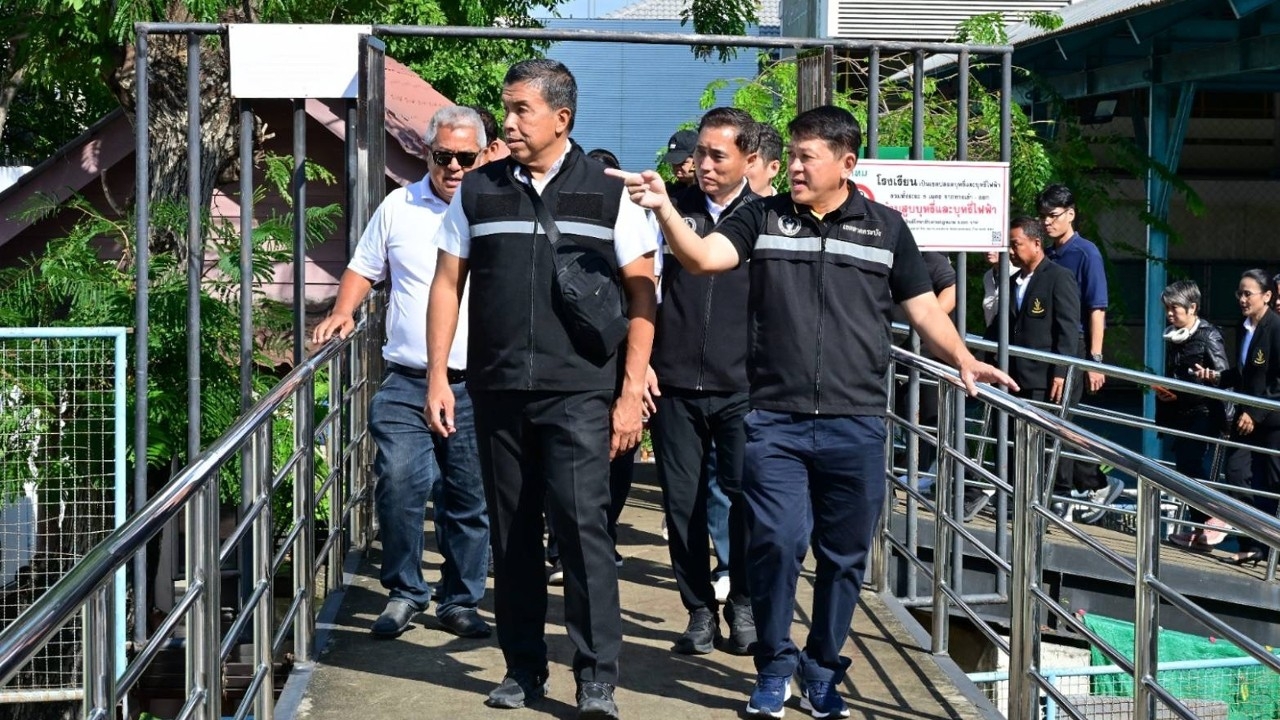
On 8 Nov 2026 GMT+7, Chatchat Sitthiphan, Governor of Bangkok, accompanied by Wisanu Subsompon, Deputy Governor, Jesada Chantraprapa, Deputy Permanent Secretary, and other city executives, visited Lat Krabang to review recent flood situations and discuss prevention and resolution strategies. The meeting included officials from the Drainage Department and Lat Krabang District Office at Wat Pak Bueng School meeting room in Lat Krabang.
During the meeting, the Bangkok governor instructed the Lat Krabang District Office, Drainage Department, and related agencies to collaboratively develop a systematic solution covering command center setup, public assistance, analysis of water sources and flow paths, and affected areas. They were to prepare an action plan for next year divided into three phases: short-term measures executable immediately, mid-term plans covering 2–3 years, and long-term infrastructure development for sustainable problem solving.
The target is to prevent recurrence of similar flooding next year despite heavy rains and reduce flood damage by at least 80%, considering project feasibility and existing budget frameworks to ensure tangible progress.
Regarding flood prevention and resolution in the Rom Klao housing block area, the Drainage Department has outlined a three-phase operational plan as follows:
1. Short-term phase involves urgent actions achievable immediately, expected to complete by July 2027 to prepare for the next rainy season. This includes constructing the 60th Anniversary Queen's retention pond, for which the 2027 budget has been allocated and contractor selection is underway, earth embankment formation and sandbagging around the area, elevating electrical cabinets and repairing pumps, inspecting and dredging canals, cleaning drainage pipes, building a water gate to close Lam Nai So canal, and installing flood and canal water level monitoring points.
2. Mid-term phase, expected to complete by the 2028 rainy season, involves constructing and improving the Rom Klao housing drainage system and building flood embankments along Khlong Song Ton Nun–Lam Nai So canal, Lam Sai Kai canal, and Khlong Nueng.
3. Long-term phase focuses on infrastructure development to enhance drainage efficiency, including constructing drainage systems with water gates along Lam Nai So canal and establishing a large-scale enclosure system with water gates and pumping stations. Budget allocation requests will be submitted for these projects.
Subsequently, the Bangkok governor, his team, and related agencies inspected eight key locations to assess conditions and operational approaches:
1. Plans for embankments along Khlong Song Ton Nun and Lam Nai So near Wat Pak Bueng and beside the school.
2. Pumping pond behind Attaya Demonstration School, temporary wooden weir construction site connecting Khlong Nueng to Lam Nai So canal, and embankment reinforcement along Lam Sai Kai canal.
3. Canal improvement and pumping pond construction site at Lam Sai Kai canal beside Rom Klao Metropolitan Police Station.
4. Pumping pond improvement at wastewater treatment area along Khlong Song Ton Nun, Soi Rom Klao Housing 29, adjacent to Zone 7.
5. Embankment reinforcement plans along Khlong O Tan (Housing Authority area).
6. Measures to prevent overflow from Prawet Burirom canal flooding Nakhonaphiban Hospital (Lat Krabang Hospital) area, and progress monitoring of the new district office construction.
7. Solutions for flooding on Luang Paeng Road near Lotus shopping center and traffic issues at Wat Pholmani entrance.
8. Solutions for flooding on Khum Thong–Lam Toi Ting Road and flooding issues in Areeya Como Village.
During the site visits, the Bangkok governor and deputy governor emphasized that the Lat Krabang District Office, Drainage Department, and related agencies must expedite work according to the plan. They instructed prompt resolution of obstacles and coordination with external agencies to ensure continuous, efficient progress to completion. The aim is to effectively alleviate public hardship and reduce flood impacts in the area.


