

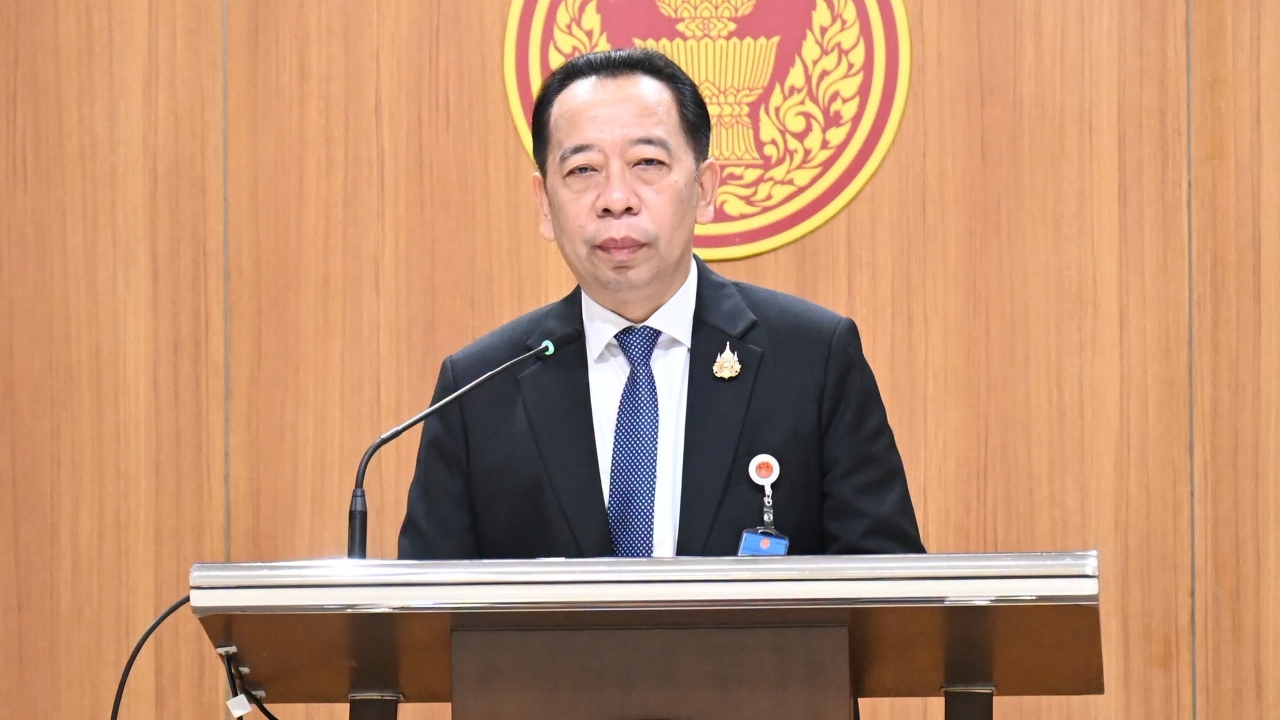
The Secretary-General of the House of Representatives explained that strict guidelines are being set and committee work regulated to protect civil servants from investigations if legal procedures are not followed. The Secretariat is awaiting fact verification regarding the Law Committee's summons of the Prime Minister to explain to the House session before deciding whether the committee has authority to do so.
On 9 Nov 2026, Mr. Siroj Phaetphan, Secretary-General of the House of Representatives, addressed opposition claims that the guidelines for operating the 35 standing committees of the House concentrate government power. He said that committee operations have always been required to follow such guidelines, but previously the Secretariat did not issue them as clearly. Recently, legal issues in committee work have emerged. Therefore, the Secretariat is striving to keep everything within legal boundaries, since any mistakes by committee secretariats could lead to penalties. This framework aims to protect civil servants, preventing future investigations against officials. Regarding the Law Committee's resolution to invite Mr. Sophon Sarum, the House Speaker, to explain committee operating procedures next week, the Speaker may personally attend or delegate the First Deputy Speaker responsible for committees or the Secretary-General to represent him. While the Speaker can be summoned, such matters fall under the responsibility of permanent civil servants.
Mr. Siroj stated that concerning the Law Committee's plan to summon Prime Minister and Interior Minister Mr. Anutin Charnvirakul to explain to the House over non-compliance with the Act on Summoning Powers, and ordering the Director-General of the Department of Provincial Administration to explain to the Law Committee, facts must first be verified. They are awaiting a report summarizing the events of the meeting that passed the resolution. Once facts are established, legal provisions will be reviewed to determine if the Prime Minister can be summoned to explain in the House session. When asked if a valid quorum at the committee meeting would obligate the Prime Minister to appear, Mr. Siroj replied that under the Act on Summoning Powers, the Speaker's invitation to the Prime Minister is not legally binding, but the Prime Minister's absence could lead to complaints alleging breach of law.